


When to Start Prepping for Spring Growth in Arizona (Phoenix, Buckeye & Surrounding Areas)
February 19, 2026
A white background with a few lines on it

Arizona spring doesn’t wait.


By the time most homeowners in Phoenix, Buckeye, Surprise, Goodyear, and Verado notice their lawn turning greener, the real preparation should already be underway.


If you wait until March to think about spring lawn care, you’re already behind.


Understanding exactly when to begin spring prep — and what to prioritize first — is the difference between:


  • A thick, green, fast-growing lawn
    vs.
  • Patchy turf that struggles through April and May heat.


In this guide, we’ll break down the ideal timing for Arizona spring lawn preparation, what steps matter most, and how to avoid the common mistakes that delay growth.

Why Spring Lawn Prep in Arizona Starts Earlier Than You Think

Arizona has a desert climate with warm winters and early temperature swings. That changes everything.


Unlike colder states, where lawns stay dormant until late March or April, Arizona lawns begin transitioning much earlier — often by mid to late February.


Key factors that determine timing:


  • Soil temperature
  • Daytime highs consistently above 70°F
  • Decreasing frost risk
  • Turf type (Bermuda vs. overseeded rye)


If you’re unsure what grass type you have, see Best Grass for Arizona Lawns.

The Ideal Timeline for Spring Lawn Prep in Arizona

Late January – Early February

Light evaluation phase.


  • Inspect winter damage
  • Check for thinning or bare patches
  • Identify irrigation issues
  • Monitor soil compaction


If your lawn experienced cold stress, refer to Winter Lawn Care in Arizona.

Mid–Late February

Pre-growth activation phase.


This is when preparation truly begins.


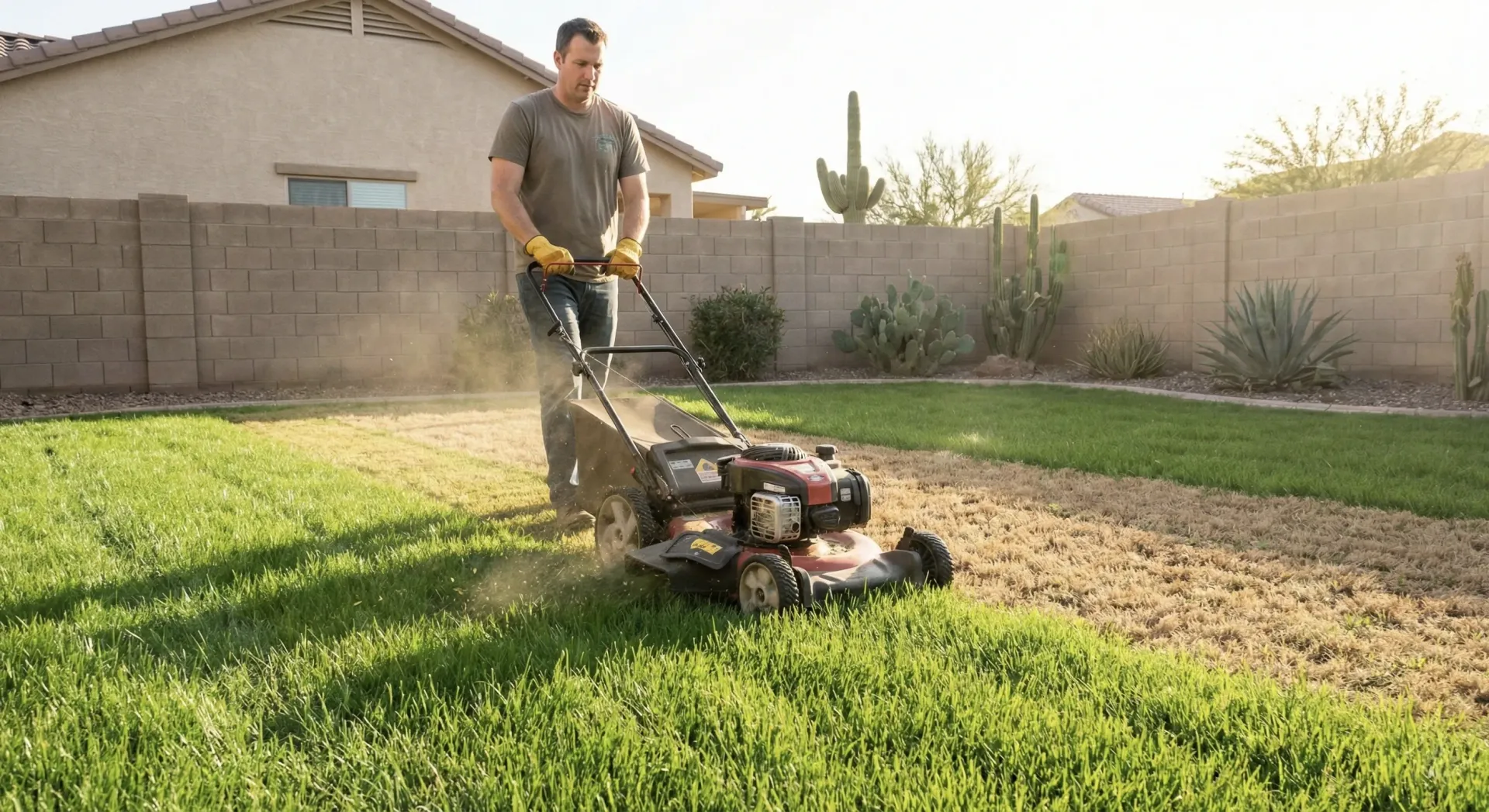
  • Gradual mowing height adjustment
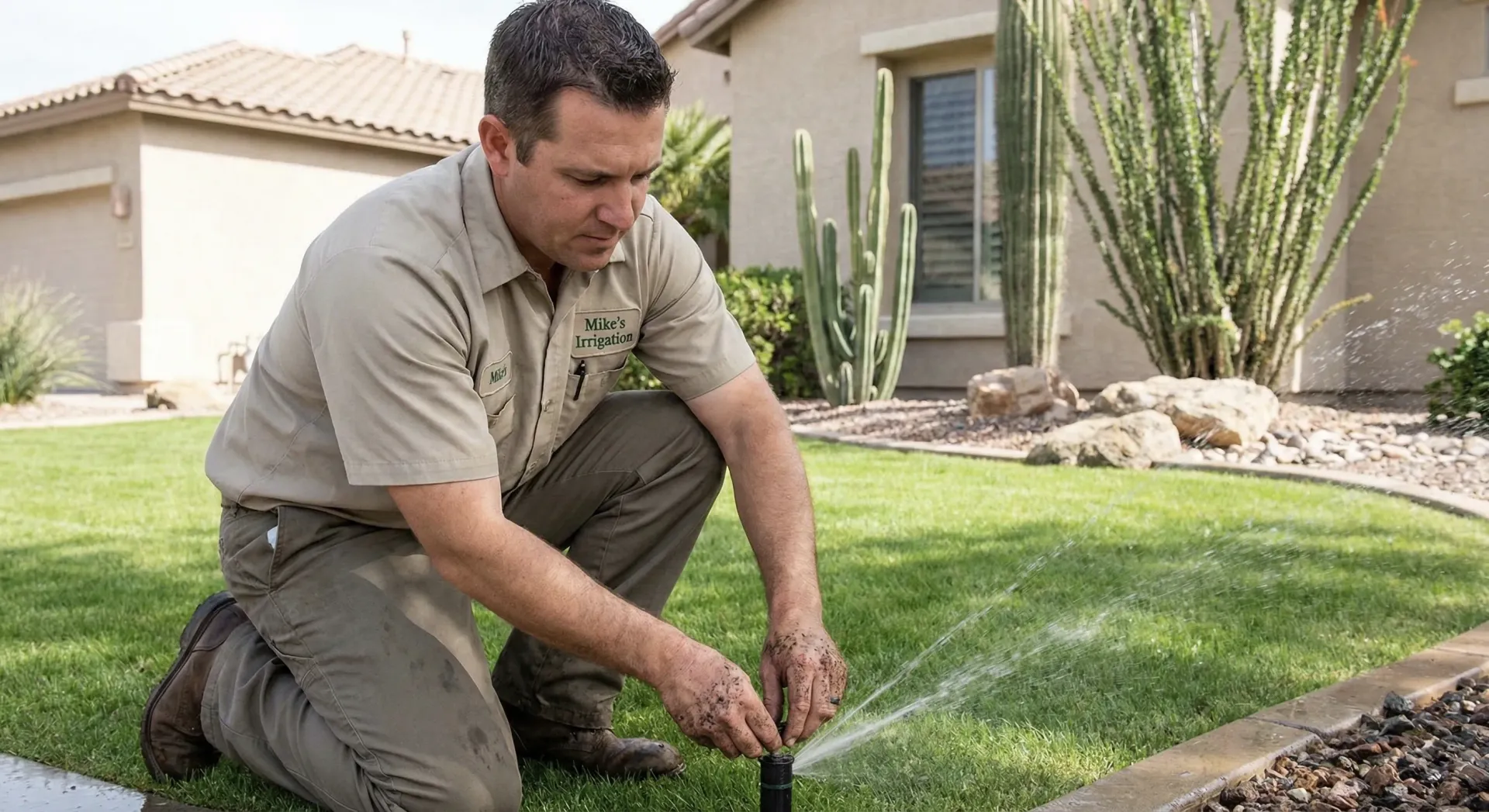
  • Irrigation system inspection
  • Soil testing if needed
  • Pre-emergent weed prevention

Early March

Active transition phase.


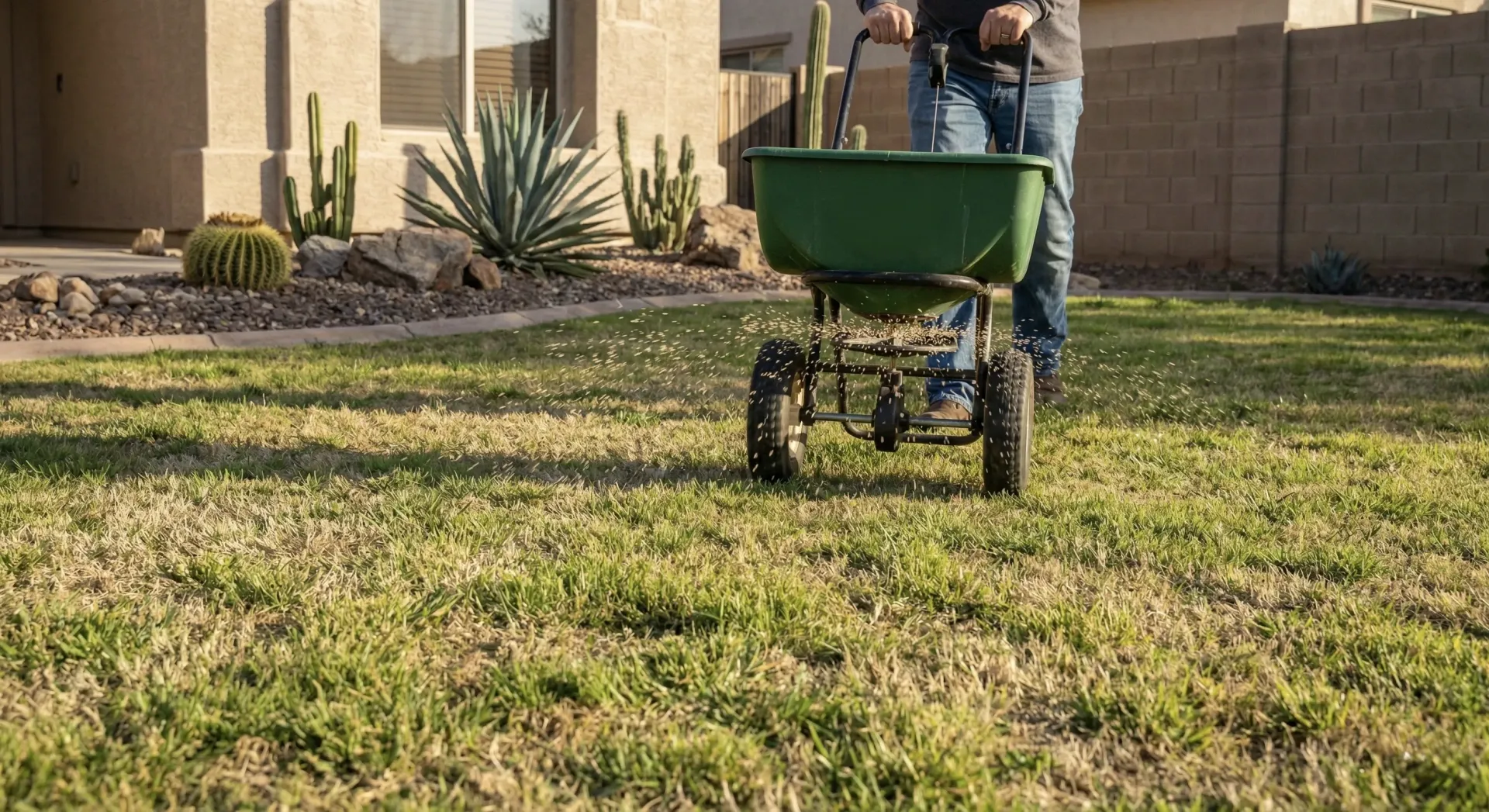
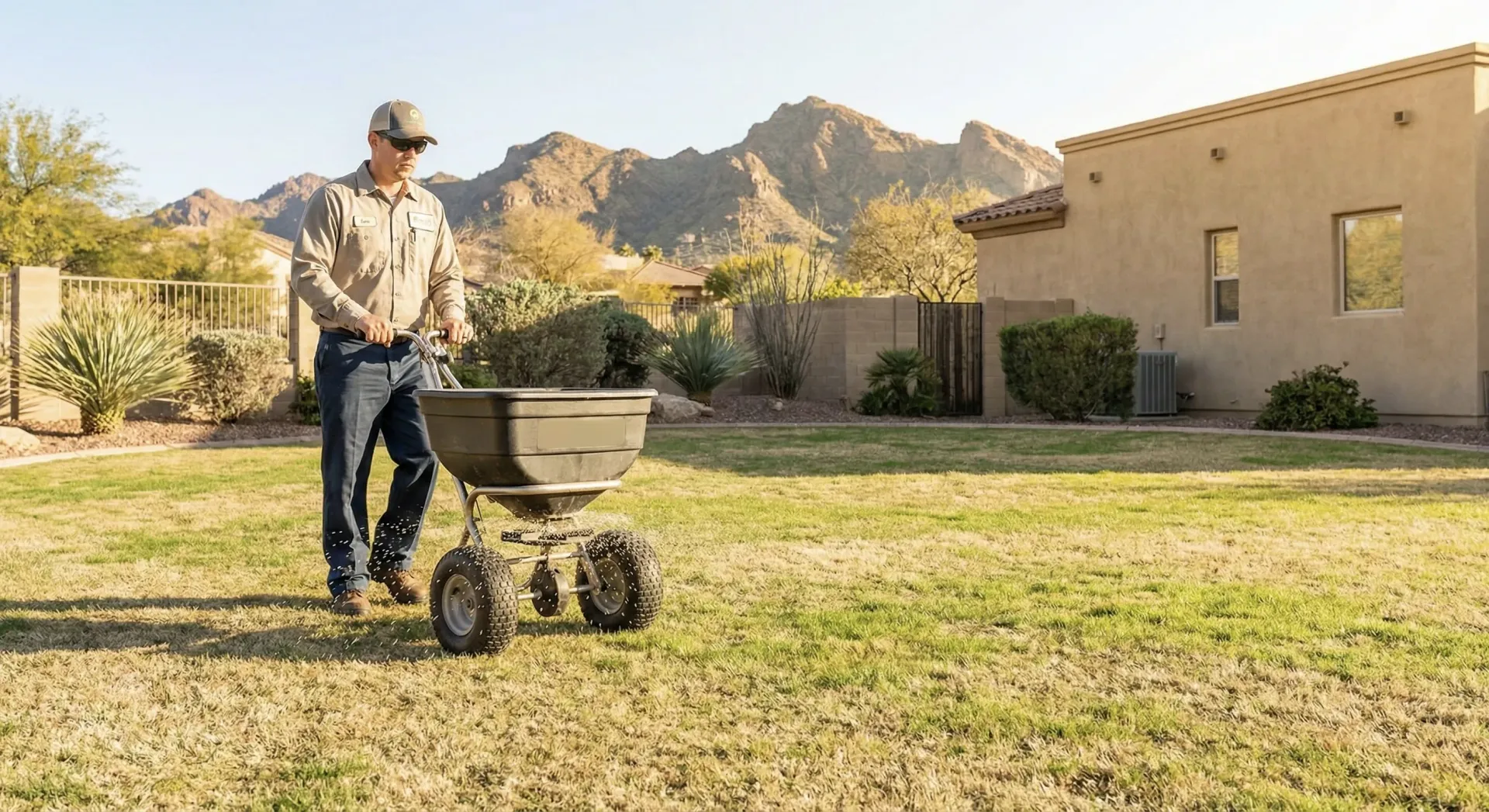
  • First fertilizer application (if Bermuda)
  • Dethatching/scalping winter rye (if overseeded)
  • Soil amendments if necessary


For fertilization timing specifics, review Fertilizing Your Arizona Lawn.

Step-by-Step: How to Properly Prep for Spring Growth

1. Evaluate Winter Damage First

Before you add anything to your lawn, assess what winter did to it.


Common Arizona winter damage signs:


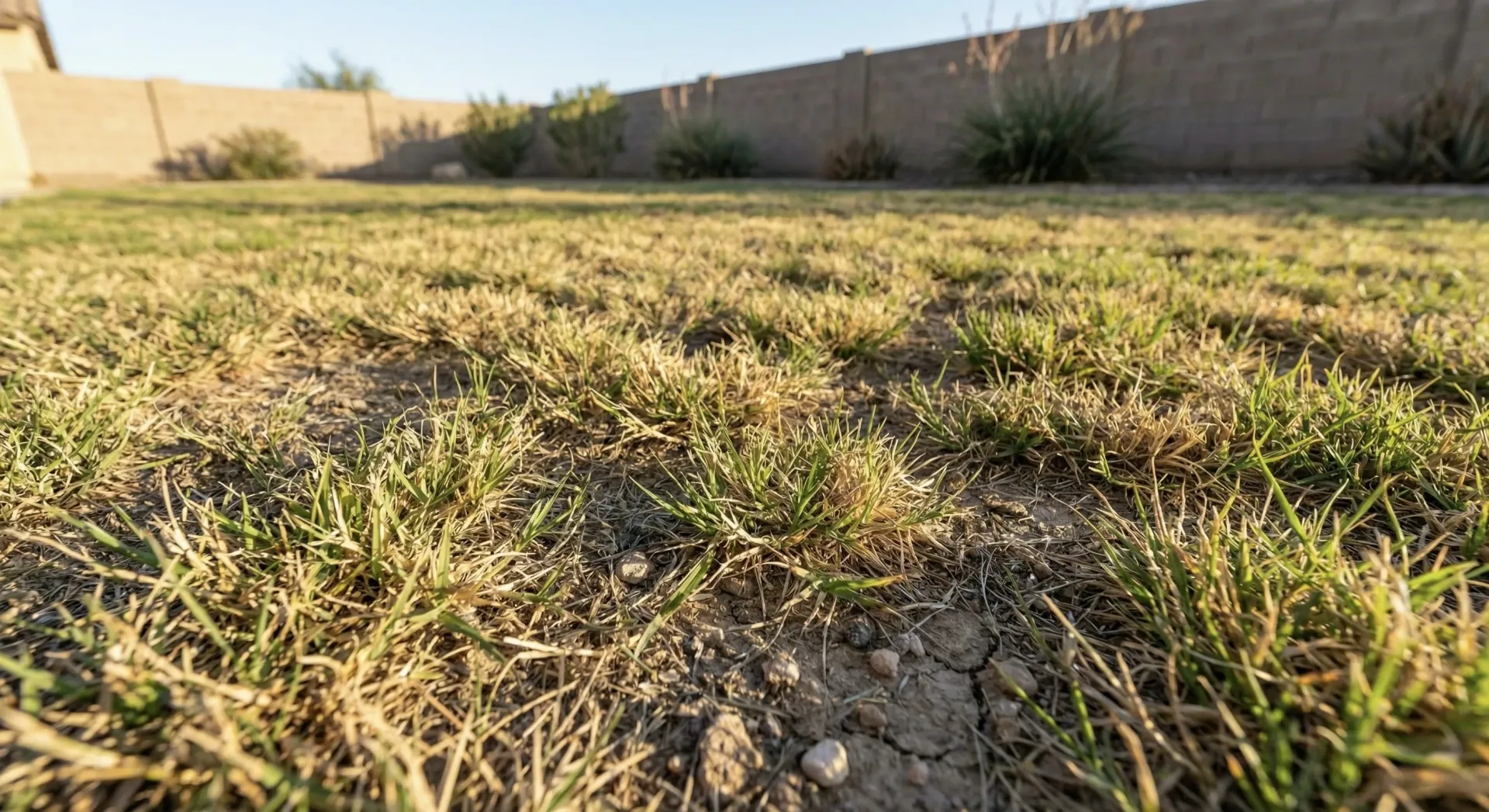
  • Yellowing Bermuda
  • Frost-burned patches
  • Compacted soil
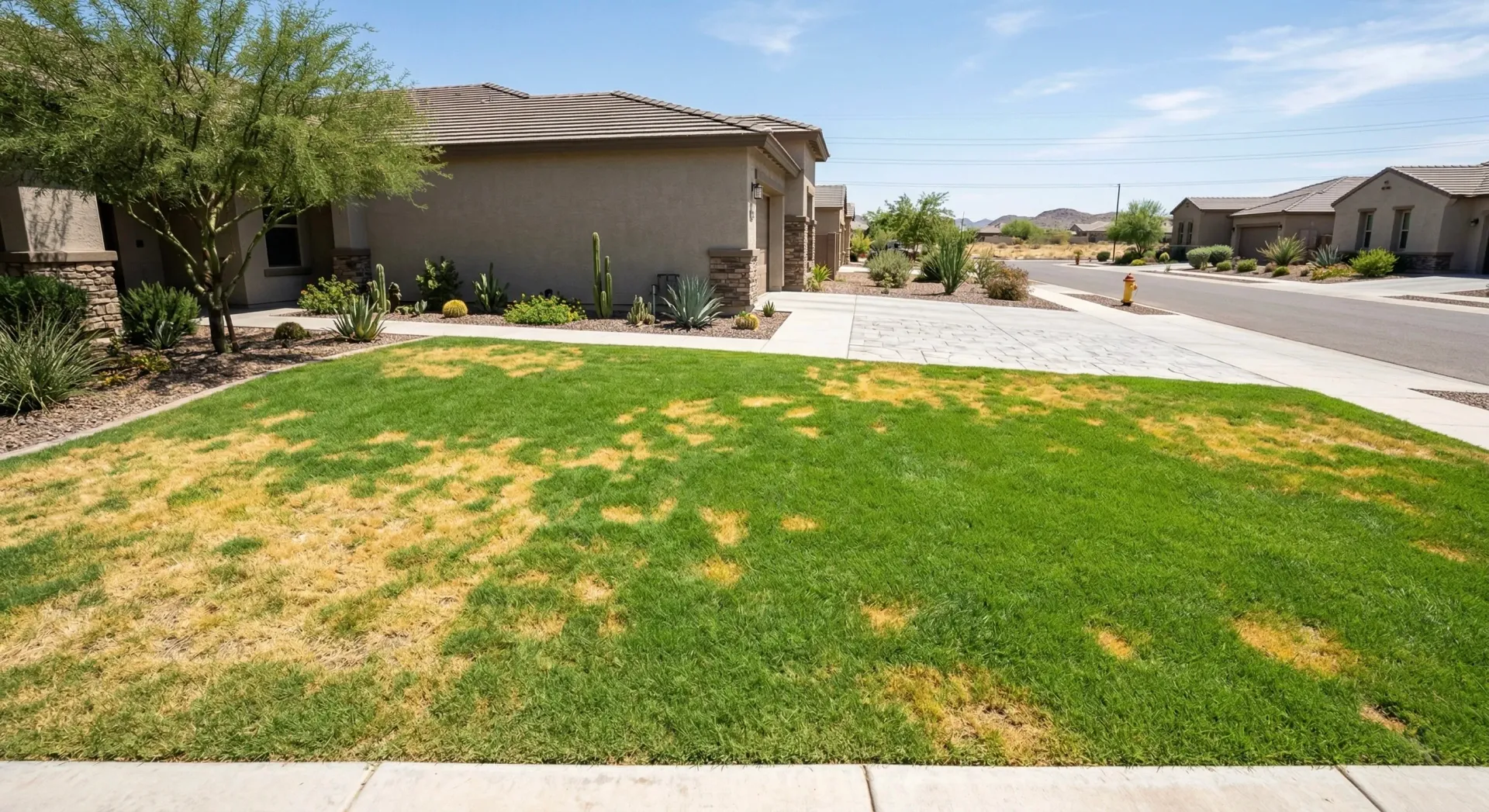
  • Fungal spotting
  • Irrigation line damage


If trees or shrubs were affected, see Best Evergreen Trees and Plants for Arizona Winters.

2. Adjust Your Irrigation Schedule Gradually

Many homeowners overwater in February.


Arizona lawns should transition watering schedules slowly as temperatures rise.


For a full breakdown of seasonal watering strategy, review:


Seasonal Watering Guide: How to Keep Your Arizona Lawn Green Year-Round


and


The Ultimate Tree Watering Schedule for Arizona’s Harsh Seasons


Spring irrigation errors are one of the biggest causes of shallow root growth.

3. Apply Pre-Emergent Weed Control at the Right Time

Weed prevention is time-sensitive.


Apply pre-emergent when soil temperatures consistently approach 55–60°F — typically mid-February in Phoenix and Buckeye.


Waiting until you see weeds means you're too late.

4. Soil Health Determines Everything

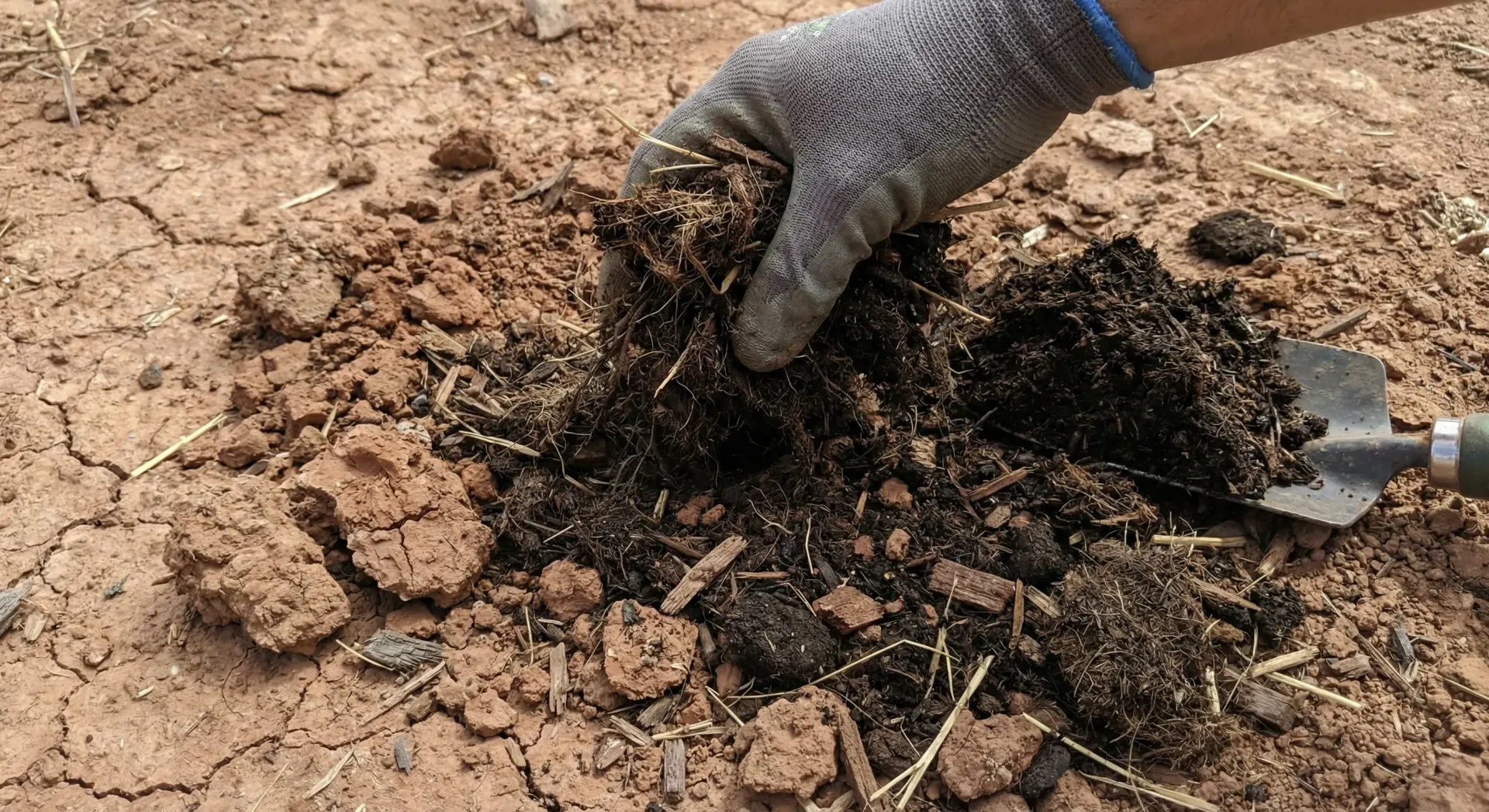
If your soil is compacted or nutrient-deficient, your lawn cannot respond to spring growth.


Arizona desert soil is typically:


  • Alkaline
  • Clay-heavy
  • Low in organic matter

If you haven’t addressed soil preparation, see:


Desert Soil Preparation: How to Ensure Your Plants Thrive


For more advanced soil optimization:


Arizona Soil Health & Preparation

5. Time Fertilization Correctly

One of the most searched questions in Arizona is:


“When should I fertilize my lawn?”


For Bermuda lawns:


  • Wait until you see 50% green-up
  • Avoid fertilizing dormant grass


For rye lawns:


  • Light feeding only until transition


See:


Fertilizing Your Arizona Lawn

6. Scalping & Transitioning Overseeded Lawns

If you overseeded with winter rye:


  • Lower mowing height gradually
  • Increase sun exposure
  • Reduce water slowly


If you’re unsure about overseeding techniques, review:


Best Grass Alternatives for No-Mow Lawns in Arizona

7. Commercial Properties: Why Timing Matters Even More

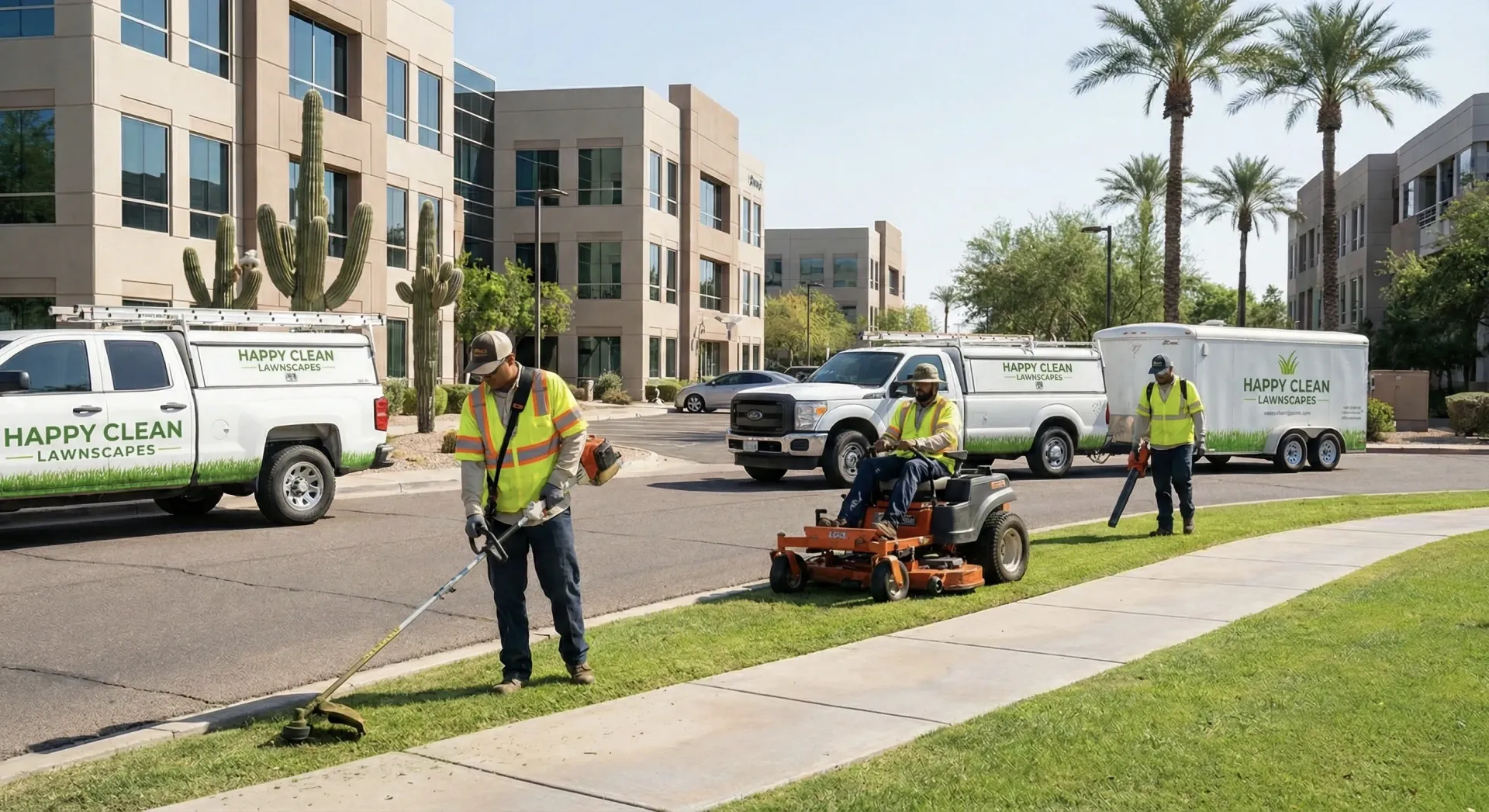
For HOA communities, office parks, retail spaces, and apartment complexes — early prep impacts curb appeal by April.


If you manage commercial property, read:


Top 7 Commercial Landscaping Ideas That Attract Customers and Boost Curb Appeal in Arizona


and


How to Maintain a Professional Landscape Year-Round

Common Spring Prep Mistakes Arizona Homeowners Make

  1. Fertilizing too early
  2. Watering too aggressively
  3. Ignoring soil compaction
  4. Skipping pre-emergent
  5. Scalping too soon


Each mistake delays growth by weeks.

When Should You Call a Professional?

Consider professional spring prep if:


  • Your lawn didn’t recover well from winter
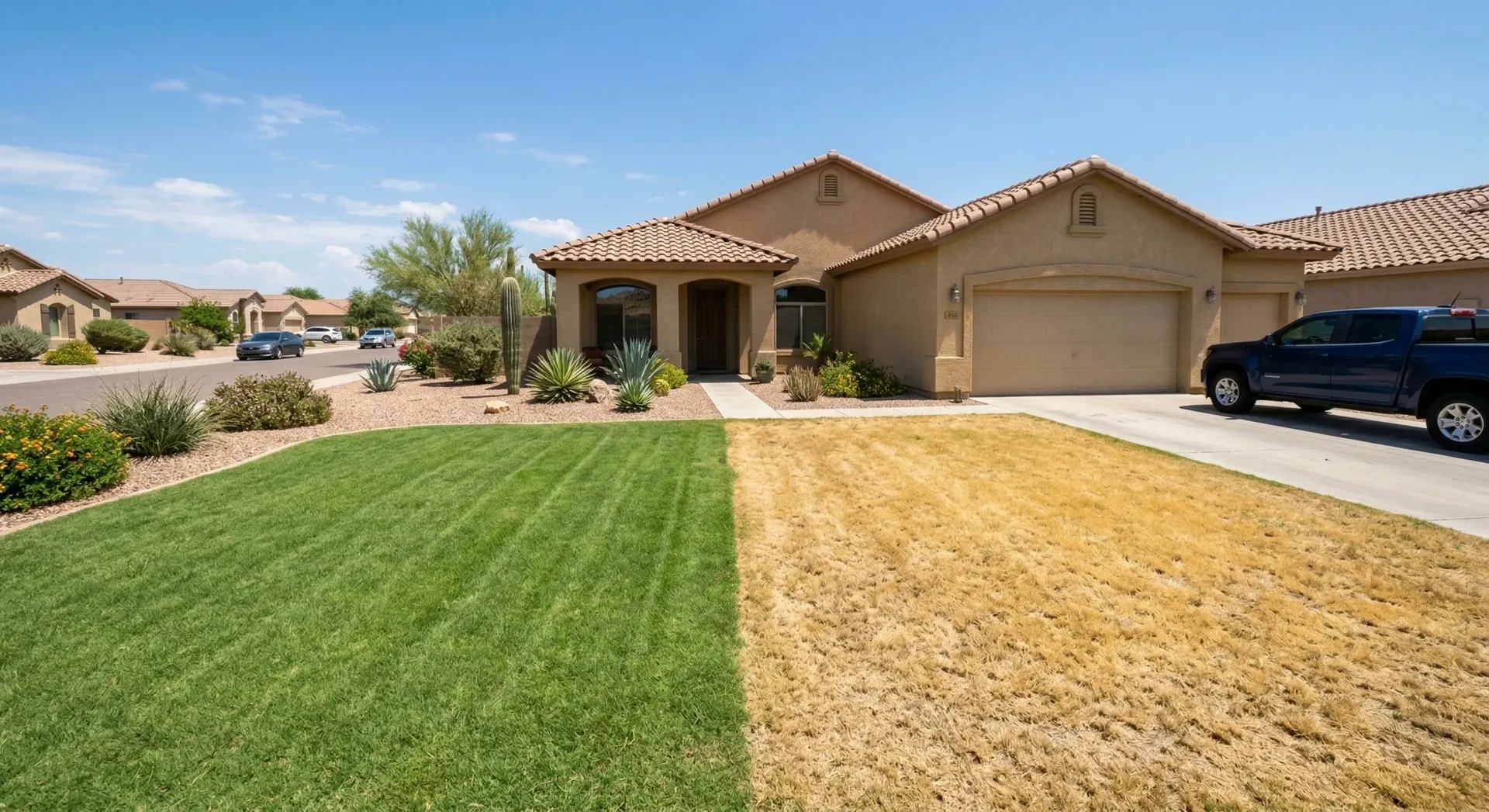
  • You see uneven green-up
  • You manage a commercial property
  • You want faster, thicker spring growth


Spring is when momentum begins.


The earlier you prep correctly, the stronger your lawn performs through May heat.

FAQ: Spring Lawn Preparation in Arizona

  • When should I start spring lawn care in Phoenix?

    Late February is typically the optimal starting window for prep work.

  • Is February too early to fertilize in Arizona?

    Yes — unless Bermuda has begun green-up. Wait until you see active growth.

  • Should I scalp my lawn in February?

    Only if transitioning from overseeded rye and temperatures are consistently warming.

  • How do I know if my soil needs improvement?

    Poor drainage, thinning turf, or hard soil surface are strong indicators.

  • Does spring prep differ in Buckeye or Surprise?

    The timeline is similar to Phoenix but can vary slightly based on elevation and microclimate.

Ready to Get Your Lawn Spring-Ready?

Proper spring preparation sets the tone for your entire growing season.


If you want a faster, thicker, greener lawn in Phoenix, Buckeye, Surprise, or surrounding areas — timing matters.


Professional spring preparation can save weeks of recovery time and prevent common mistakes that cost homeowners every year.

A green background with a white outline of a heart.
A Sharp, vibrant Arizona yard featuring evergreen shrubs, agave, and cypress trees in warm morning l
December 14, 2025
Evergreen species that stay vibrant, structured, and healthy all winter long.
December 3, 2025
How to Use This Guide
Green lawn grass.
November 17, 2025
1. Understanding Arizona Winter Lawn Behavior
Beautiful aerial shot of the garden.
November 5, 2025
Discover the top commercial landscaping ideas Arizona businesses trust to attract customers, save water, and elevate curb appeal. Expert tips from Happy Clean Lawnscapes.
An office building showing high-impact curb appeal zones
October 13, 2025
Commercial Landscaping is a Whole Different Ball Game in Arizona
October 1, 2025
Not all turf is created equal, especially for commercial use. Here's the real deal on what holds up best in our Arizona climate: For Office Parks & Corporate Campuses: Polyethylene Turf - This is the 'luxury sedan' of turf. It's the one that looks and feels most like real grass, with that soft texture that makes your property say 'we pay attention to details.' It handles sun exposure really well without fading, which is crucial for our Arizona summers. For High-Traffic Areas & Shopping Centers: Nylon Turf - Think of this as the 'work truck' option. It's the most durable turf on the market, tough enough for hundreds of people walking across it daily without showing wear. The fibers bounce right back, even in high-traffic entryways or common areas that get constant foot traffic. For Apartments & HOAs: Polypropylene Turf - The 'family minivan' - perfect balance of durability, safety for kids and pets, and budget-friendly for larger common areas. It's cost-effective for covering big spaces while still standing up to playground use and pet areas. Plus, it stays cooler than other options, which parents really appreciate.
September 17, 2025
Why Busy Homeowners Need Easier Lawns
Show More