

How to Assess Winter Damage on Arizona Lawns and Trees (And What to Fix First)
January 6, 2026
A white background with a few lines on it

Arizona winters may look mild compared to the rest of the country, but they quietly cause more lawn and tree damage than most homeowners realize.


Cold desert nights, sudden frost, dry air, inconsistent watering, and dormant warm-season grass all combine to create hidden stress beneath the surface. By the time spring arrives, many lawns struggle to recover — not because winter was harsh, but because early warning signs were missed.


This guide will show you exactly how to assess winter damage on Arizona lawns and trees, what’s normal vs what’s a problem, and which issues should be addressed now versus later in spring.


If you manage a home, HOA, or commercial property in Arizona, this is the checklist professionals use before the growing season begins.

How to Use This Guide

  • Walk your property once with this checklist
  • Identify which damage is cosmetic vs structural
  • Prioritize fixes that affect spring recovery
  • Avoid common winter “overcorrections”
  • Know when professional intervention actually matters

1. Understanding What “Winter Damage” Means in Arizona

Winter damage in Arizona is different from northern states. We rarely deal with snow load or frozen soil — instead, damage comes from stress imbalance.

Common Arizona winter stressors:

  • Cold nighttime temperatures (often below 35°F)
  • Frost events followed by intense sun
  • Extremely low humidity
  • Dry winter winds
  • Reduced watering or inconsistent irrigation
  • Dormancy in warm-season grasses


Not all visible changes mean damage — some are normal survival mechanisms.

2. Lawn Damage: What’s Normal vs What’s a Problem

✅ Normal Winter Lawn Changes

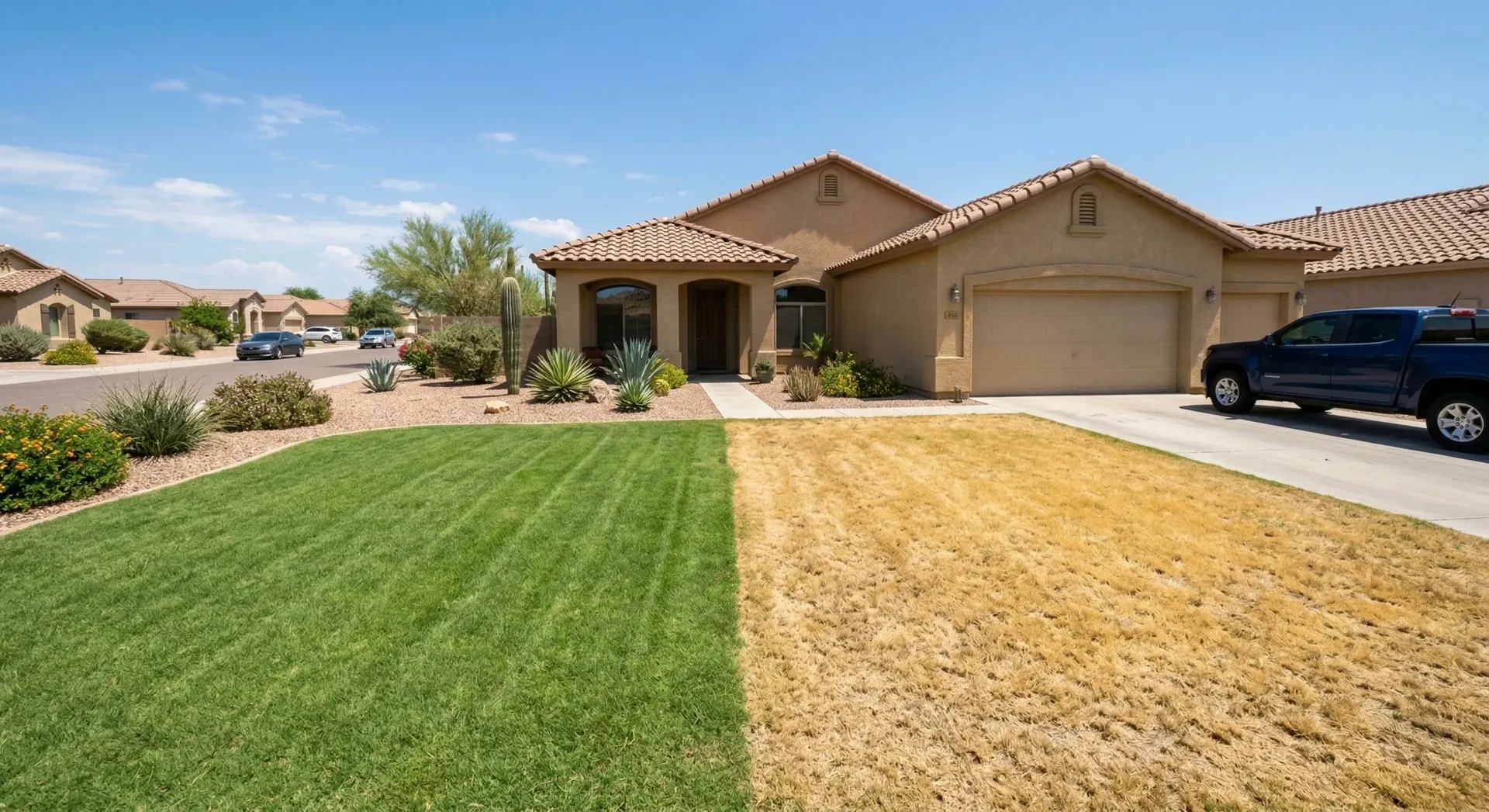
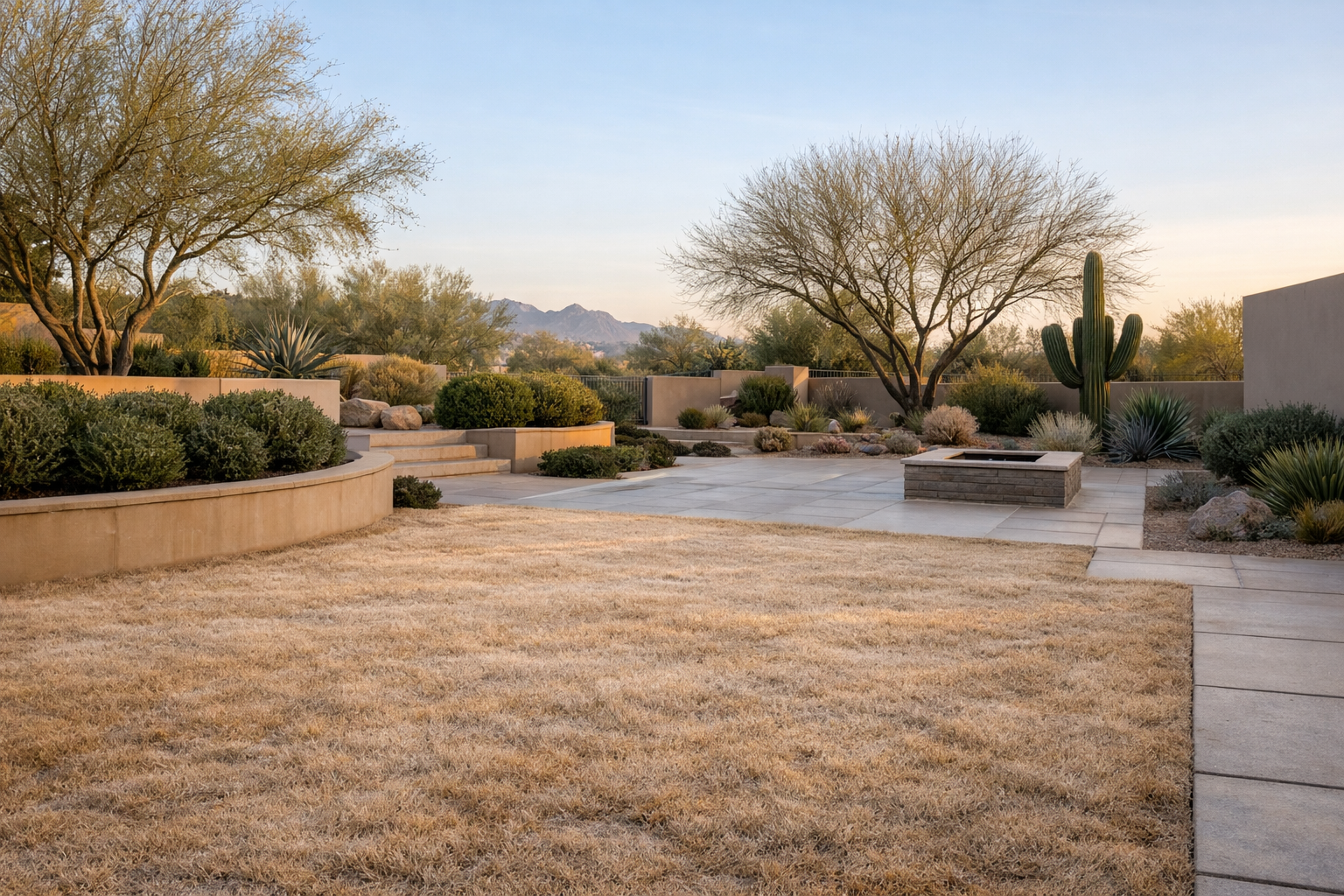
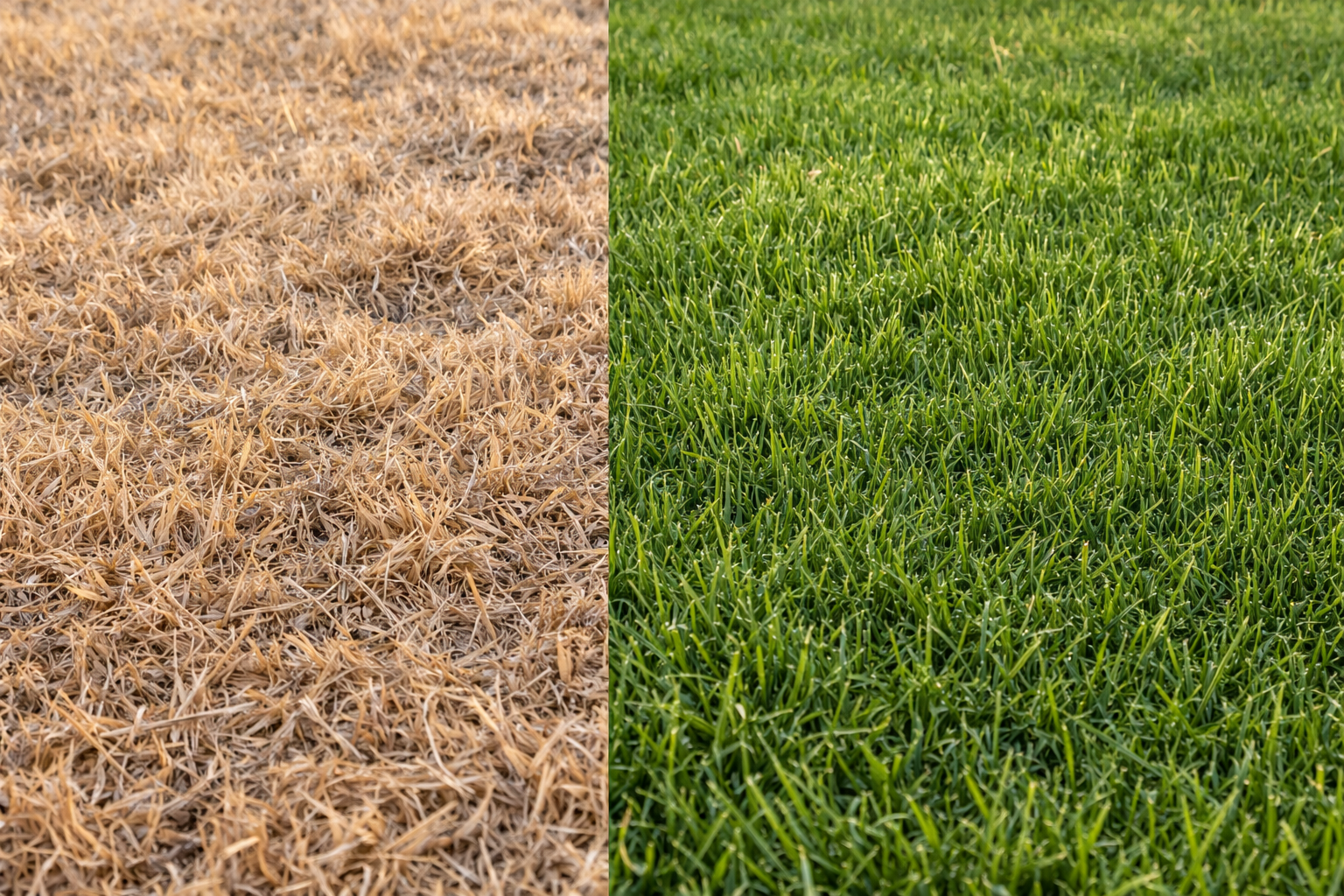
  • Bermuda grass turning yellow or straw-colored
  • Slowed or stopped growth
  • Thin appearance without bare soil
  • Green patches where ryegrass was overseeded


These indicate dormancy, not damage.

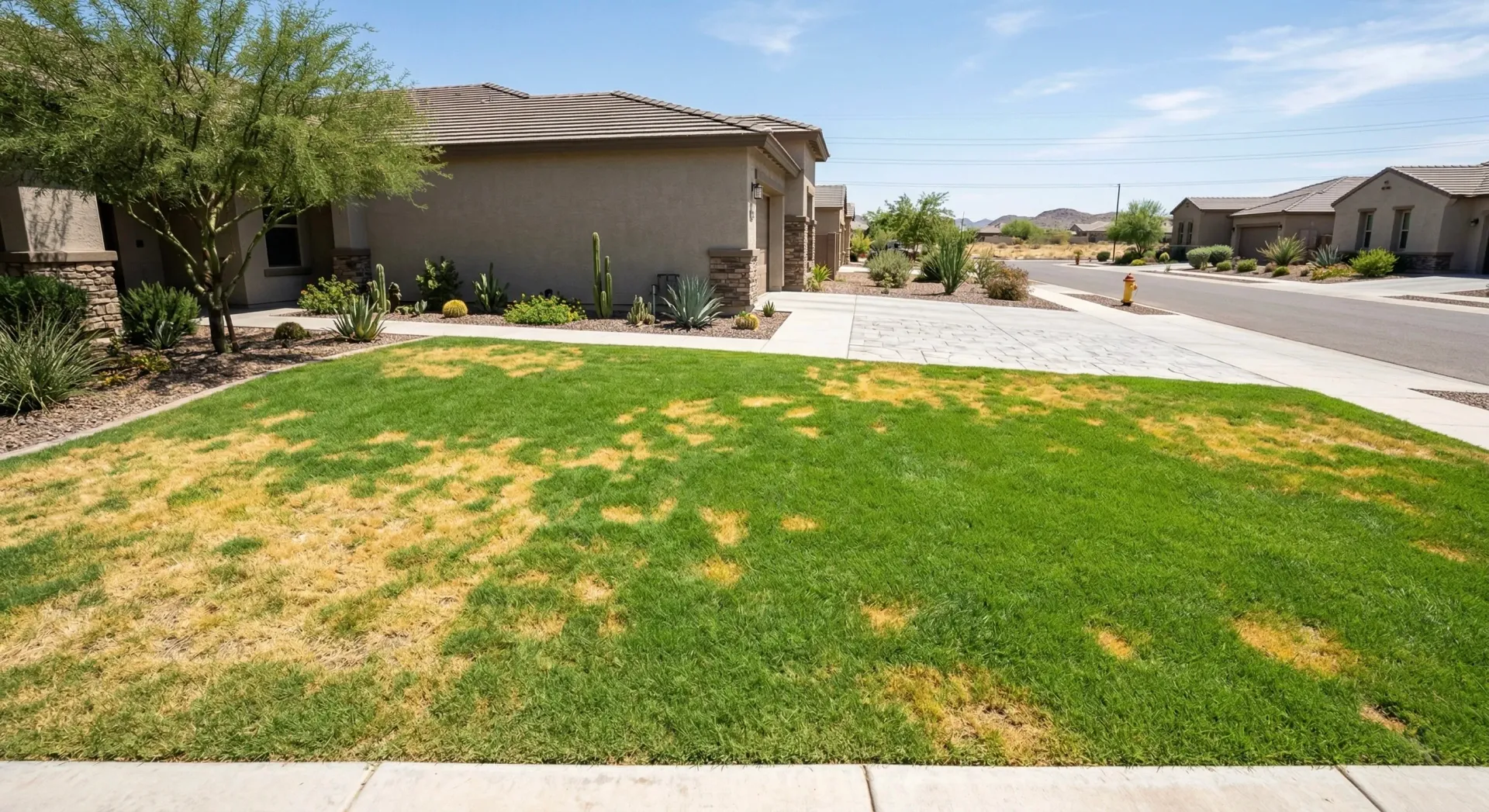
⚠️ Signs of Actual Lawn Damage

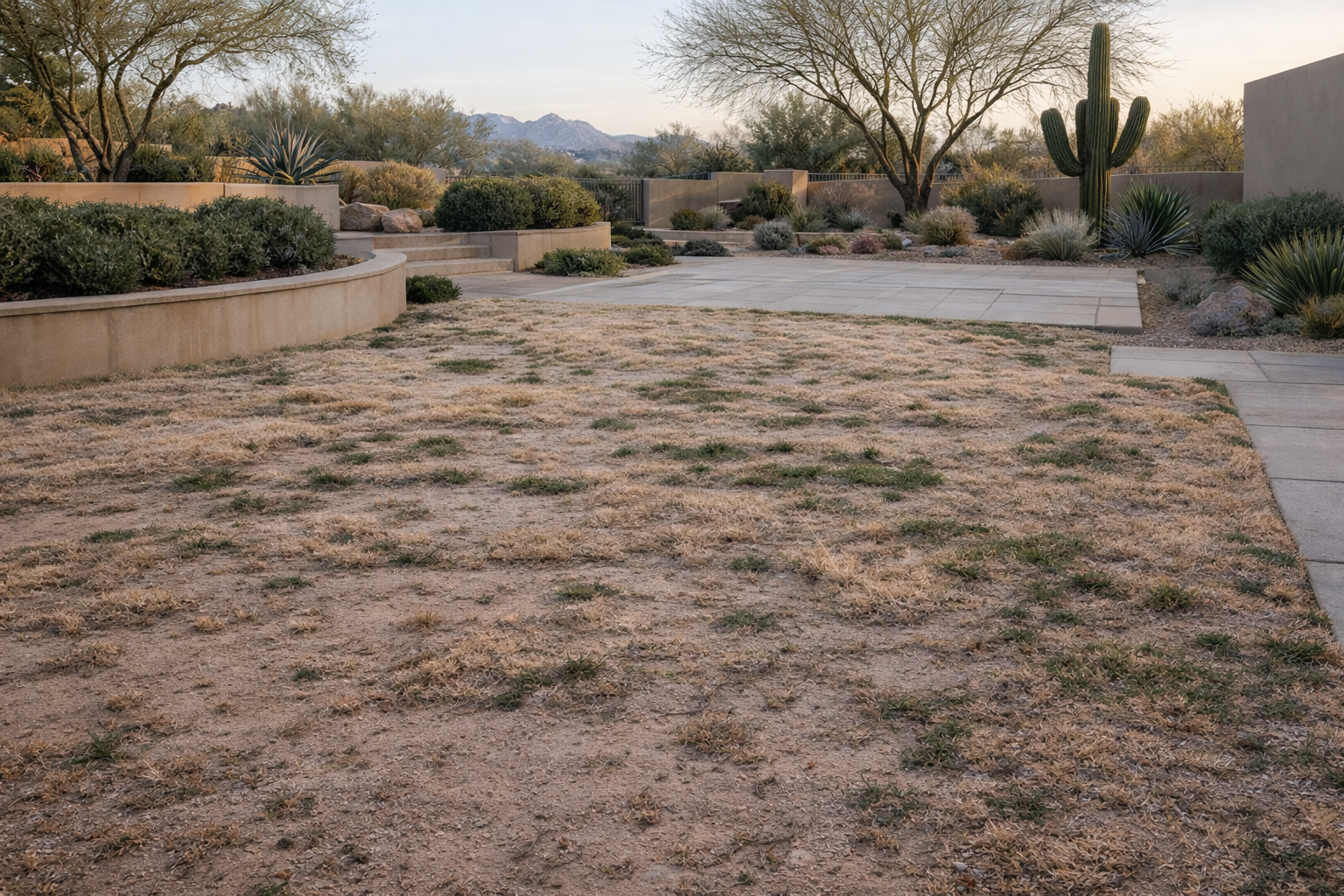
  • Bare soil showing through turf
  • Uneven thinning in high-traffic areas
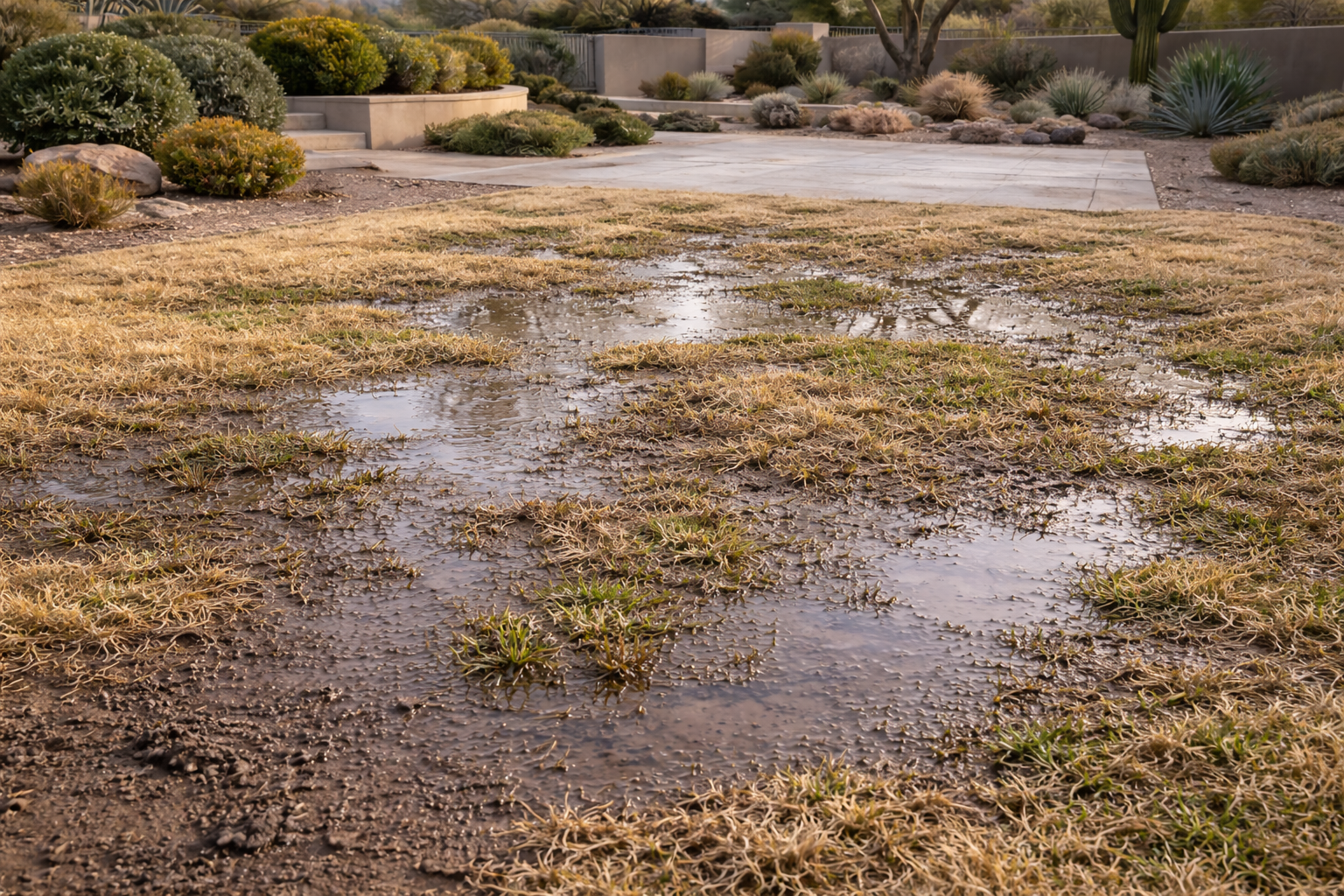
  • Mushy soil or persistent damp spots
  • Gray or brown circular patches (fungal activity)
  • Footprint impressions that don’t rebound


These issues weaken spring recovery and should be addressed early.

3. Tree & Shrub Damage: The Subtle Warning Signs

Trees and shrubs often show delayed symptoms, which is why winter inspections matter.

Normal Winter Behavior

  • Slight leaf drop
  • Reduced growth
  • Color dulling in some species

Concerning Signs

  • Browning at leaf edges (sun + frost burn)
  • Split bark or vertical cracks
  • Branch dieback at tips
  • Leaves dropping suddenly after frost
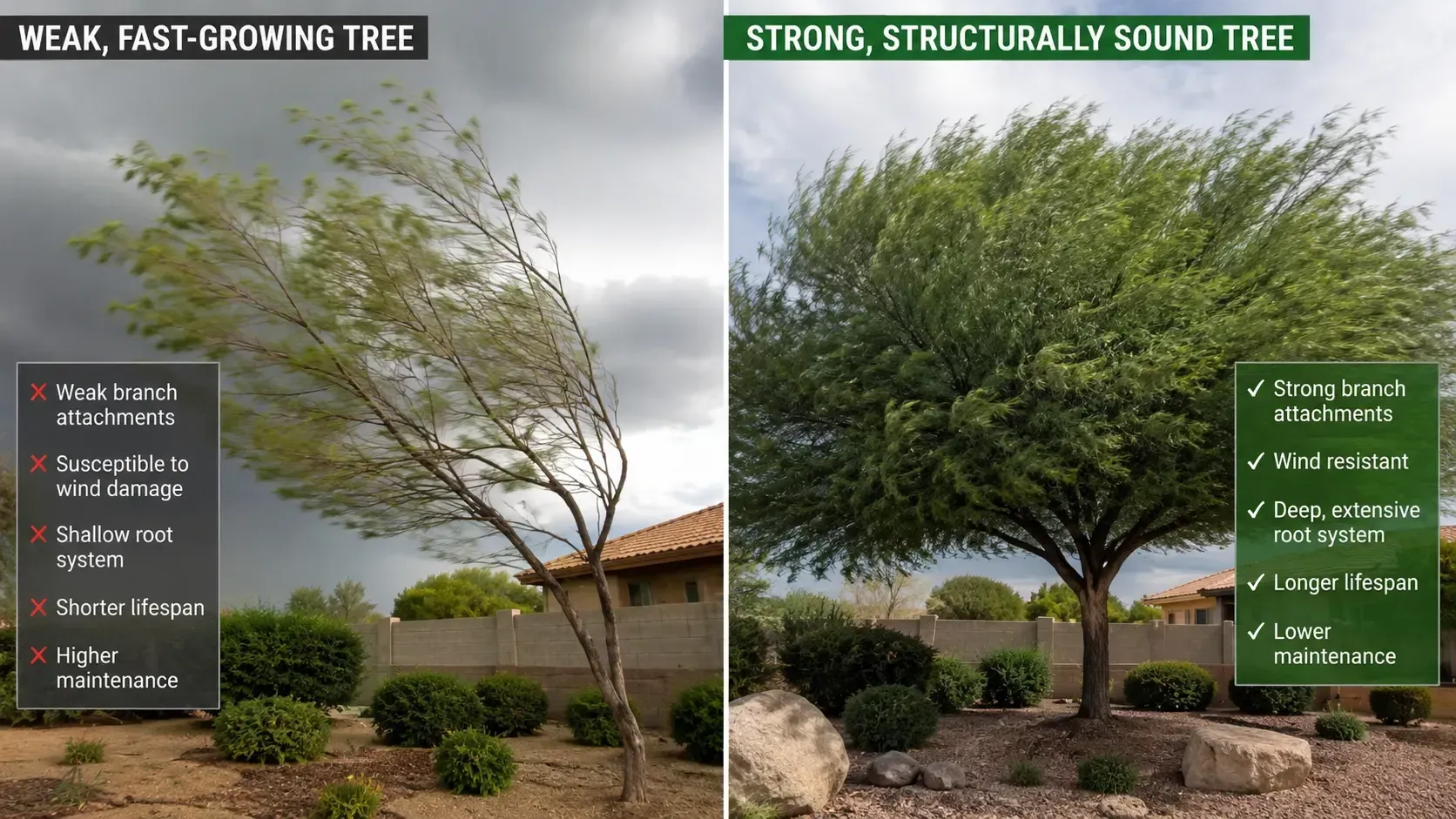
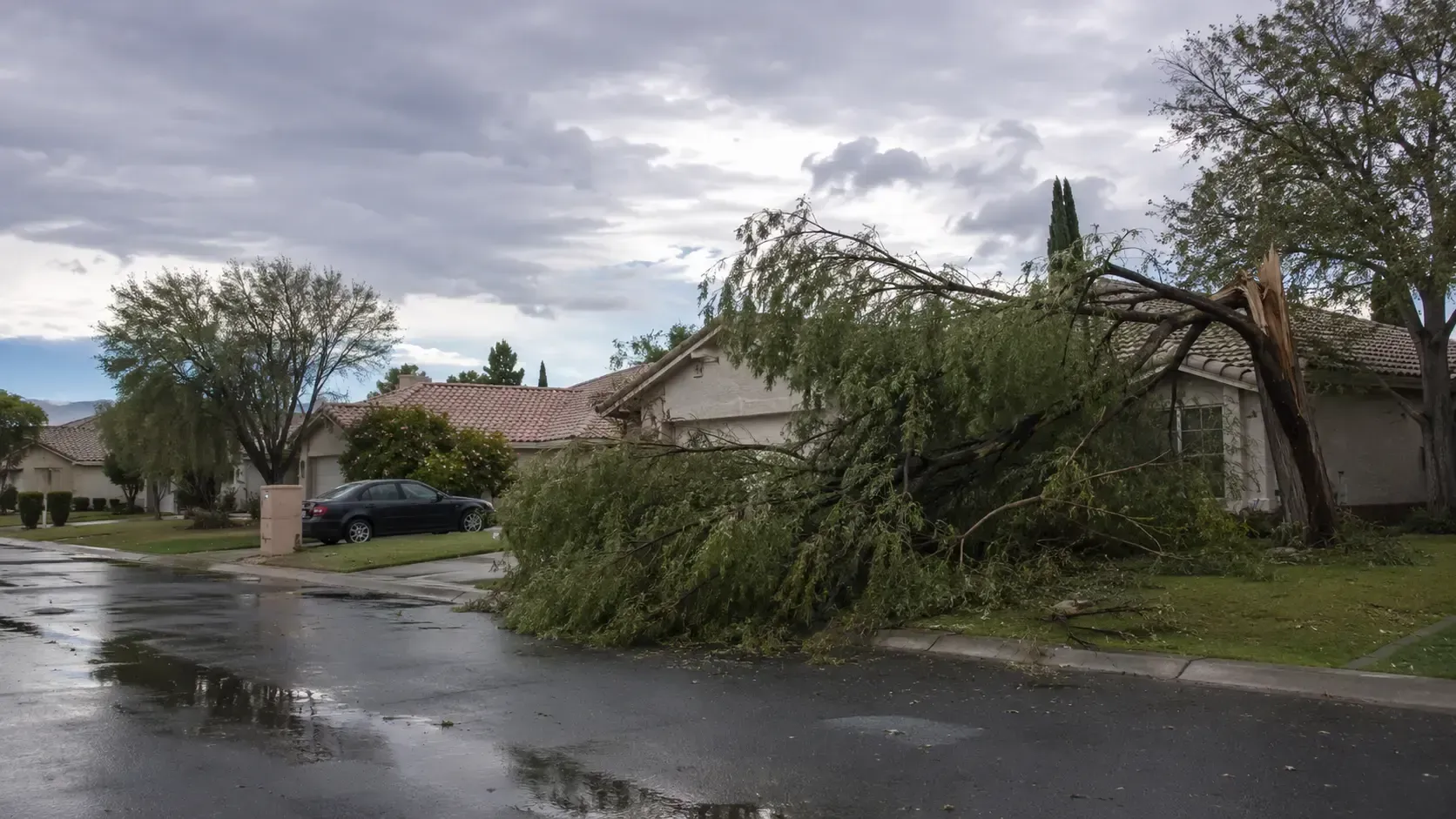
  • Leaning trees due to softened soil

These are early indicators of stress that can worsen in spring if ignored.

4. The Step-by-Step Winter Damage Assessment (Professional Method)

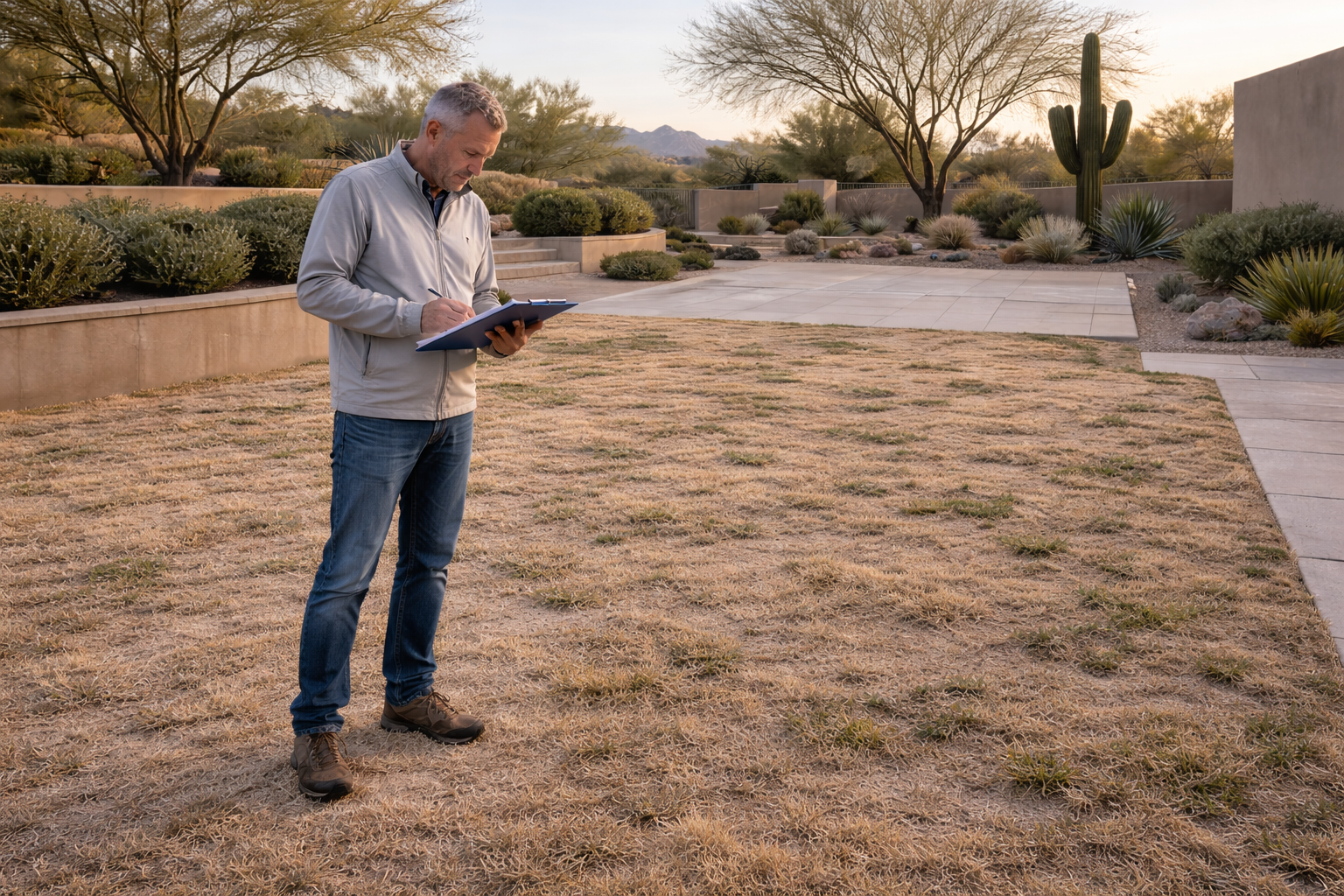
Step 1: Walk the Property Early Morning

  • Frost patterns are most visible
  • Foot traffic damage is easier to spot
  • Sun-exposed vs shaded damage is clearer

Step 2: Check Soil Condition

  • Press soil with your foot
  • If it’s muddy → overwatering risk
  • If it’s powder-dry → root dehydration

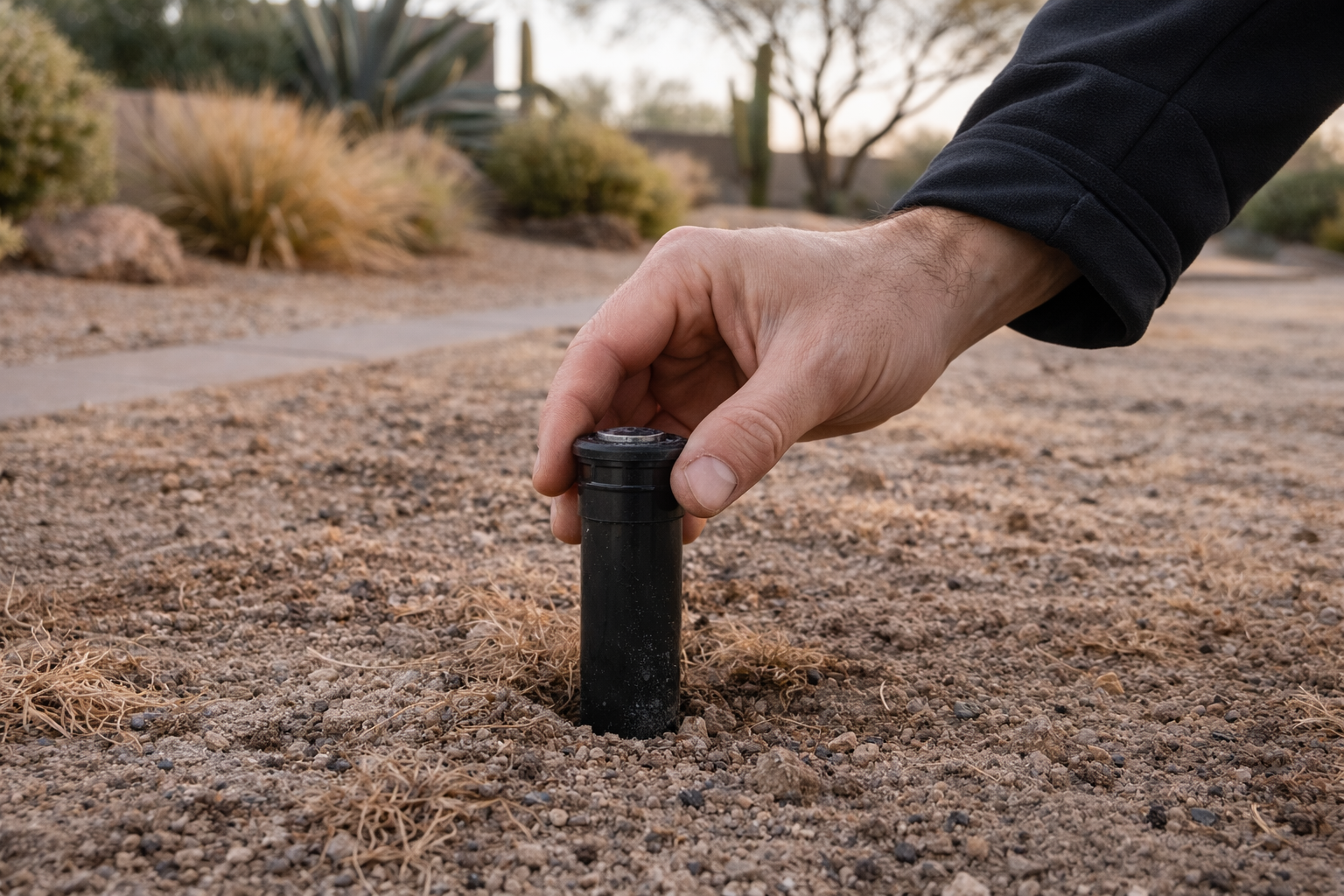
Step 3: Inspect Irrigation Zones

  • Look for uneven coverage
  • Check for leaks or blocked heads
  • Winter damage often starts with water imbalance

Step 4: Examine Trees Up Close

  • Inspect trunk base for cracking
  • Look at branch tips for dieback
  • Check staking and root stability

5. What to Fix Now vs What to Leave Alone

This is where many homeowners accidentally cause more damage.

Fix Now

  • Standing water or drainage issues
  • Broken branches or safety hazards
  • Irrigation misalignment
  • Mulch gaps exposing roots
  • Fungal signs spreading

Leave Alone (For Now)

  • Dormant grass color
  • Minor leaf drop
  • Temporary thinning
  • Slow growth

Overreacting in winter often delays spring recovery.

6. Common Winter Mistakes That Make Damage Worse

  1. Overwatering dormant lawns
    Leads to rot, fungus, and shallow roots.
  2. Fertilizing warm-season grass in winter
    Nutrients can’t be absorbed and stress roots.
  3. Pruning too aggressively
    Encourages vulnerable new growth before spring.
  4. Ignoring early tree instability
    Small issues become costly failures during monsoon season.

7. When Professional Assessment Makes Sense

You don’t need professional help for every winter issue — but you do need it when:


  • Damage appears widespread
  • Trees show structural instability
  • Irrigation issues persist
  • You manage a commercial or HOA property
  • You want a clean spring transition without guesswork


Professionals assess root health, soil condition, irrigation efficiency, and plant selection together — not in isolation.

8. Preparing for Spring Starts in Winter

A clean spring recovery doesn’t start in March — it starts now.


By identifying winter damage early, you:


  • Reduce spring repair costs
  • Improve turf density
  • Strengthen trees before storm season
  • Avoid emergency fixes later
  • Set the foundation for healthy growth

Frequently Asked Questions

  • Is brown grass in winter normal in Arizona?

    Yes. Warm-season grasses like Bermuda naturally go dormant. Brown color alone is not damage.

  • Should I water my lawn during winter?

    Yes — but less often. Deep, infrequent watering prevents root dehydration.

  • Can frost permanently damage trees?

    Young or stressed trees can suffer long-term damage if not protected or corrected early.

  • When should I start fixing winter damage?

    Assessment should happen in January–February. Most corrective work happens gradually into spring.

Final Thought: Winter Damage Is About Timing, Not Panic

Arizona landscapes don’t fail because of winter — they fail because damage goes unnoticed or is handled incorrectly.


A calm, informed assessment now prevents expensive fixes later.


If you want a professional evaluation of your lawn, trees, or irrigation system — and a clear plan for spring recovery —


👉 Request a free landscape assessment today.

A green background with a white outline of a heart.
A Sharp, vibrant Arizona yard featuring evergreen shrubs, agave, and cypress trees in warm morning l
December 14, 2025
Evergreen species that stay vibrant, structured, and healthy all winter long.
December 3, 2025
How to Use This Guide
Green lawn grass.
November 17, 2025
1. Understanding Arizona Winter Lawn Behavior
Beautiful aerial shot of the garden.
November 5, 2025
Discover the top commercial landscaping ideas Arizona businesses trust to attract customers, save water, and elevate curb appeal. Expert tips from Happy Clean Lawnscapes.
An office building showing high-impact curb appeal zones
October 13, 2025
Commercial Landscaping is a Whole Different Ball Game in Arizona
October 1, 2025
Not all turf is created equal, especially for commercial use. Here's the real deal on what holds up best in our Arizona climate: For Office Parks & Corporate Campuses: Polyethylene Turf - This is the 'luxury sedan' of turf. It's the one that looks and feels most like real grass, with that soft texture that makes your property say 'we pay attention to details.' It handles sun exposure really well without fading, which is crucial for our Arizona summers. For High-Traffic Areas & Shopping Centers: Nylon Turf - Think of this as the 'work truck' option. It's the most durable turf on the market, tough enough for hundreds of people walking across it daily without showing wear. The fibers bounce right back, even in high-traffic entryways or common areas that get constant foot traffic. For Apartments & HOAs: Polypropylene Turf - The 'family minivan' - perfect balance of durability, safety for kids and pets, and budget-friendly for larger common areas. It's cost-effective for covering big spaces while still standing up to playground use and pet areas. Plus, it stays cooler than other options, which parents really appreciate.
September 17, 2025
Why Busy Homeowners Need Easier Lawns
September 1, 2025
Why Busy Homeowners Need Easier Lawns
By Happy Clean Landscapes August 20, 2025
Why Fertilization Matters for Arizona Lawns
By Happy Clean Landscapes July 14, 2025
Why Seasonal Lawn Care is Important
Show More