

Cold Weather Damage in Arizona Landscapes: Signs Homeowners Miss and How to Prevent Costly Mistakes
January 15, 2026
A white background with a few lines on it

Arizona homeowners are often caught off guard by winter landscape damage — not because winters are extreme, but because the damage is subtle, delayed, and easy to misinterpret.


One cold night.

 A sudden temperature drop.

 A dry morning wind.


Days later, lawns turn brown, shrubs thin out, trees shed leaves — and homeowners are left wondering what went wrong.


This guide explains how cold weather actually damages Arizona landscapes, the warning signs most people miss, and what professionals do to prevent small winter issues from becoming expensive spring problems.

How to Use This Guide

  • Identify cold-related damage early
  • Learn what’s normal vs problematic
  • Avoid common winter mistakes
  • Understand when professional help matters
  • Prepare your landscape for spring recovery

1. Why Cold Weather Hits Arizona Landscapes Differently

Arizona’s winter damage isn’t caused by prolonged freezing — it’s caused by instability.

Unique Arizona winter stress factors:

  • Large day–night temperature swings
  • Sudden cold snaps
  • Extremely low humidity
  • Intense winter sun after cold nights
  • Dormant warm-season grass with active roots
  • Reduced irrigation during dry months


Plants aren’t killed outright — they’re weakened, which is far more dangerous long-term.

2. The Most Common Cold-Weather Damage Signs (That People Miss)

Lawn Symptoms

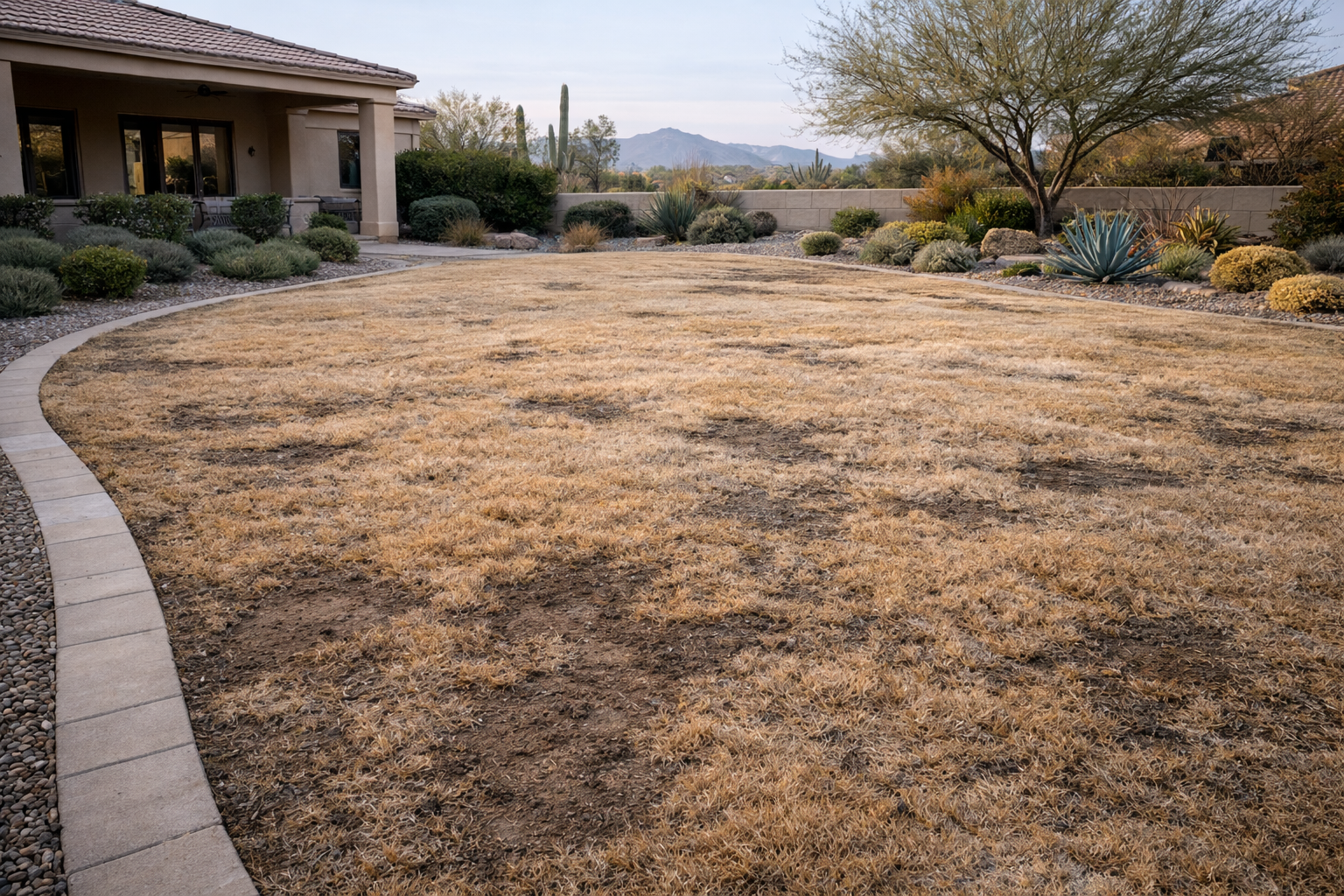
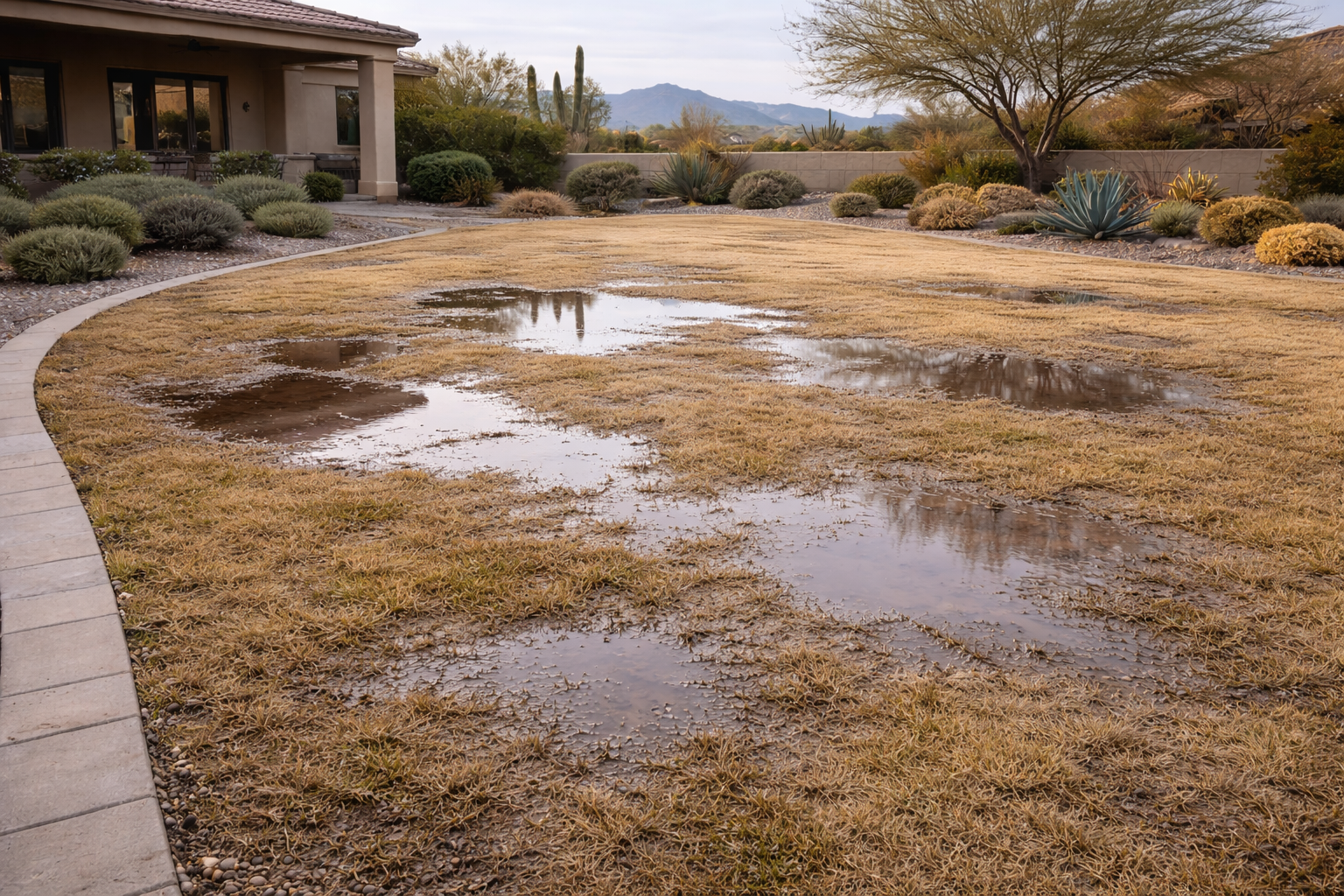
  • Patchy browning instead of uniform dormancy
  • Thin turf that doesn’t rebound after foot traffic
  • Gray or straw-colored patches expanding over time
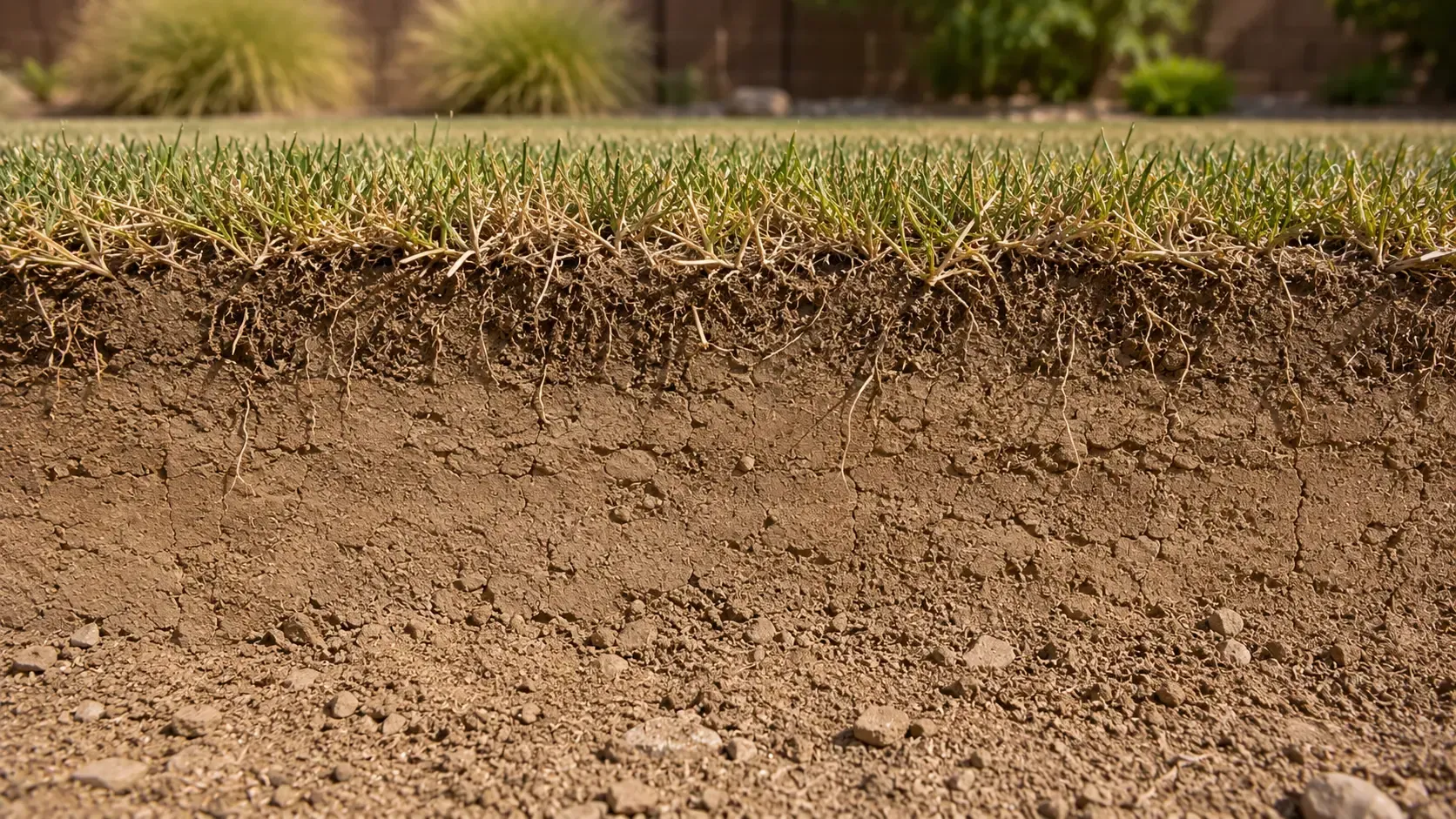
  • Soil pulling away from roots due to dehydration

Tree & Shrub Symptoms

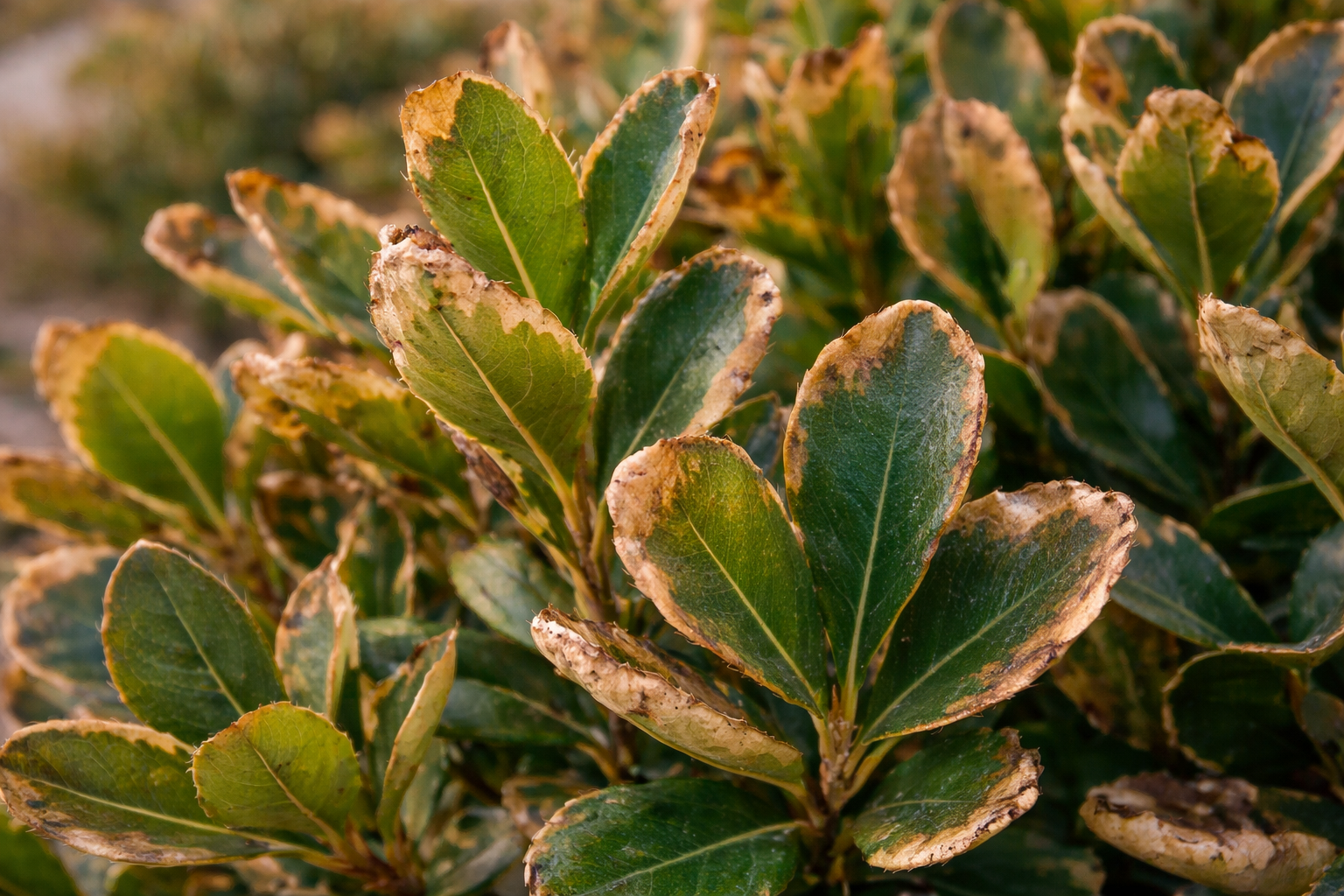
  • Leaf-edge browning (cold + sun scorch)
  • Sudden leaf drop after cold nights
  • Branch tips dying back
  • Shrubs thinning unevenly


These are stress indicators, not cosmetic issues.

3. Cold vs Frost vs Freeze — What’s the Difference?

This confusion causes most winter landscaping mistakes.

Cold Stress

  • Gradual weakening from cool temperatures
  • Most common in Arizona
  • Often mistaken for “normal winter behavior”

Frost Damage

  • Occurs when moisture freezes on plant surfaces
  • Typically visible in the morning
  • Often worsened by improper watering timing

Freeze Damage

  • Less common in low desert
  • More severe and structural
  • Seen more often in higher elevations


Professionals assess which one occurred before acting.

4. Why Winter Damage Often Shows Up Weeks Later

Cold damage doesn’t always appear immediately.


Here’s why:


  • Roots are stressed first
  • Water uptake becomes inefficient
  • Plant energy reserves drop
  • Damage becomes visible only when growth resumes


By the time spring arrives, the damage is already done — unless it was identified early.

5. Mistakes That Turn Minor Cold Stress into Major Damage

  1. Overwatering dormant lawns
    Leads to root rot and fungus
  2. Watering at night
    Increases frost risk
  3. Fertilizing too early
    Forces weak growth
  4. Aggressive pruning
    Exposes plants to further cold stress
  5. Ignoring irrigation misalignment
    Creates uneven cold damage patterns


These mistakes cost homeowners more in spring repairs than prevention ever would.

6. What Professionals Do Differently in Winter

Professionals don’t just “wait for spring”.


They:


  • Adjust irrigation schedules precisely
  • Inspect soil moisture manually
  • Identify early fungal risks
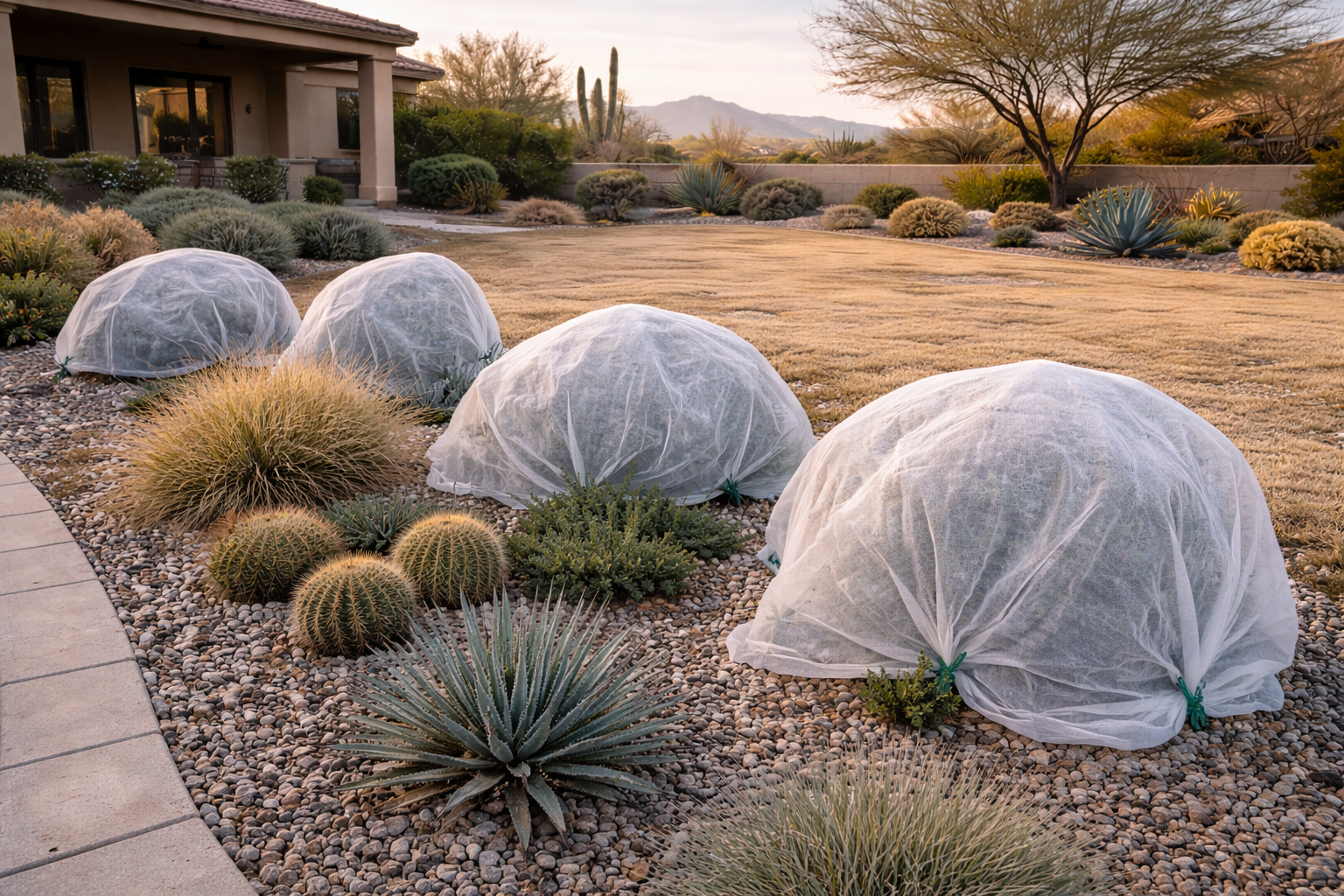
  • Protect vulnerable plants before cold snaps
  • Prioritize root health over appearance


This is why professionally maintained landscapes recover faster and look better year-round.

7. When Cold Weather Damage Requires Professional Help

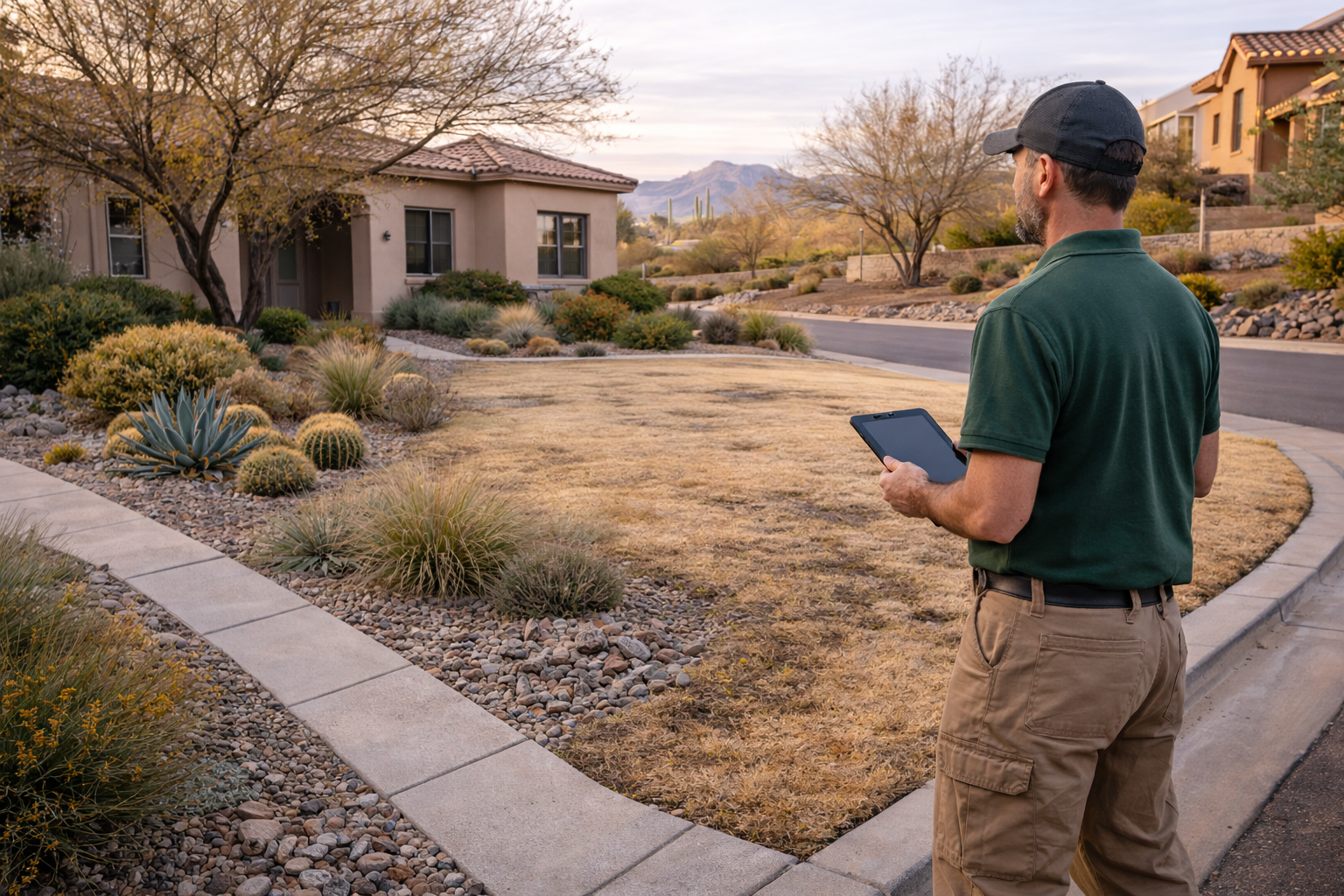
You should consider a professional assessment if:


  • Damage appears widespread
  • Trees show branch dieback
  • Lawns thin unevenly
  • Irrigation issues persist
  • You manage a commercial or HOA property


Winter is when strategic planning prevents emergency work later.

8. How to Protect Your Landscape Before the Next Cold Snap

Smart Winter Protection Steps:

  • Water early mornings only
  • Maintain consistent (not excessive) soil moisture
  • Mulch around tree and shrub bases
  • Protect vulnerable plants during extreme cold
  • Avoid pruning until spring stability


These steps cost little — but save thousands in replacement later.

Frequently Asked Questions

  • Is winter browning always damage?

    No. Uniform browning in warm-season grass is normal dormancy. Patchy or expanding damage is not.

  • Should I water before cold nights?

    Light morning watering is beneficial. Never water at night before a cold event.

  • Can cold permanently damage trees?

    Yes — especially young or stressed trees without early intervention.

  • When should repairs begin?

    Assessment in January–February. Corrections phased into spring.

Final Thought: Winter Damage Is a Planning Problem, Not a Weather Problem

Arizona landscapes don’t fail because of cold nights — they fail because stress goes unnoticed or is handled incorrectly.

The right assessment now leads to:


  • Faster spring recovery
  • Lower repair costs
  • Healthier lawns and trees
  • Fewer surprises during heat season


If you want a professional winter landscape evaluation and a clear plan moving forward:


👉 Request a free landscape assessment today.

A green background with a white outline of a heart.
A Sharp, vibrant Arizona yard featuring evergreen shrubs, agave, and cypress trees in warm morning l
December 14, 2025
Evergreen species that stay vibrant, structured, and healthy all winter long.
December 3, 2025
How to Use This Guide
Green lawn grass.
November 17, 2025
1. Understanding Arizona Winter Lawn Behavior
Beautiful aerial shot of the garden.
November 5, 2025
Discover the top commercial landscaping ideas Arizona businesses trust to attract customers, save water, and elevate curb appeal. Expert tips from Happy Clean Lawnscapes.
An office building showing high-impact curb appeal zones
October 13, 2025
Commercial Landscaping is a Whole Different Ball Game in Arizona
October 1, 2025
Not all turf is created equal, especially for commercial use. Here's the real deal on what holds up best in our Arizona climate: For Office Parks & Corporate Campuses: Polyethylene Turf - This is the 'luxury sedan' of turf. It's the one that looks and feels most like real grass, with that soft texture that makes your property say 'we pay attention to details.' It handles sun exposure really well without fading, which is crucial for our Arizona summers. For High-Traffic Areas & Shopping Centers: Nylon Turf - Think of this as the 'work truck' option. It's the most durable turf on the market, tough enough for hundreds of people walking across it daily without showing wear. The fibers bounce right back, even in high-traffic entryways or common areas that get constant foot traffic. For Apartments & HOAs: Polypropylene Turf - The 'family minivan' - perfect balance of durability, safety for kids and pets, and budget-friendly for larger common areas. It's cost-effective for covering big spaces while still standing up to playground use and pet areas. Plus, it stays cooler than other options, which parents really appreciate.
September 17, 2025
Why Busy Homeowners Need Easier Lawns
September 1, 2025
Why Busy Homeowners Need Easier Lawns
Show More