
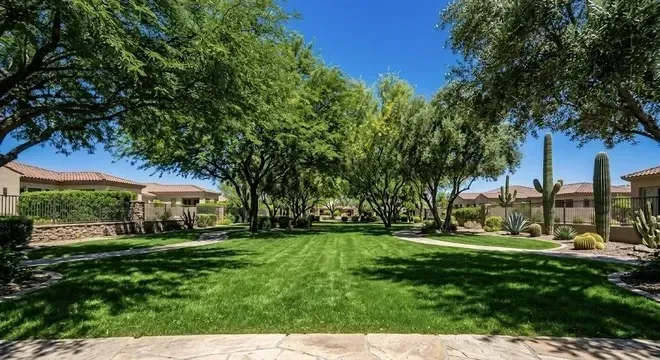

Spring Lawn & Tree Recovery in Arizona: Advanced Guide to Restoring Turf & Landscape Health After Winter
March 3, 2026
A white background with a few lines on it

Spring in Arizona is not just a growth season.

It is the most critical recovery window of the entire landscape lifecycle.


Unlike colder regions where winter freezes are obvious, Arizona landscapes experience:


  • Subtle cold stress damage
  • Soil biological slowdown
  • Turf competition imbalance
  • Irrigation inefficiency carryover
  • Tree vascular strain


By early spring, homeowners in Phoenix, Buckeye, Verrado, and Surprise often notice:


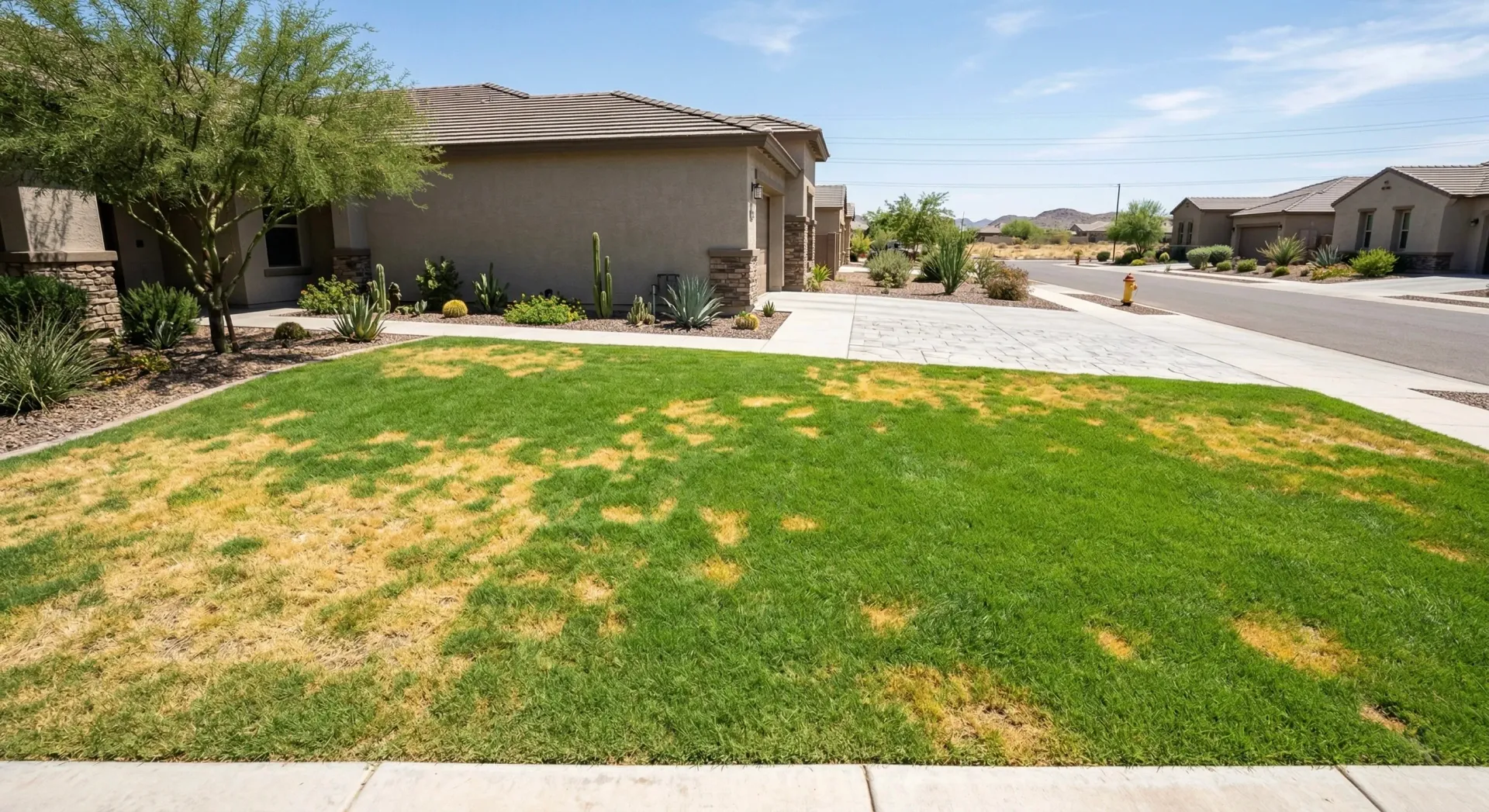
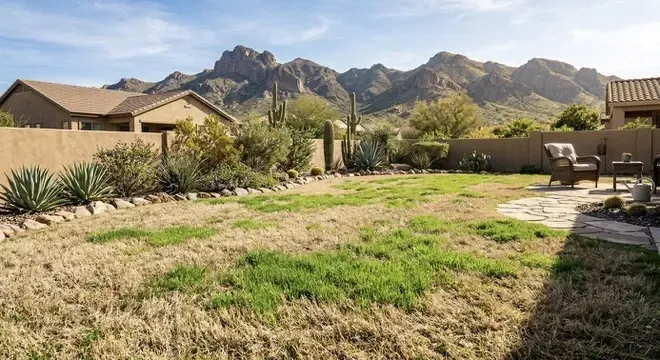
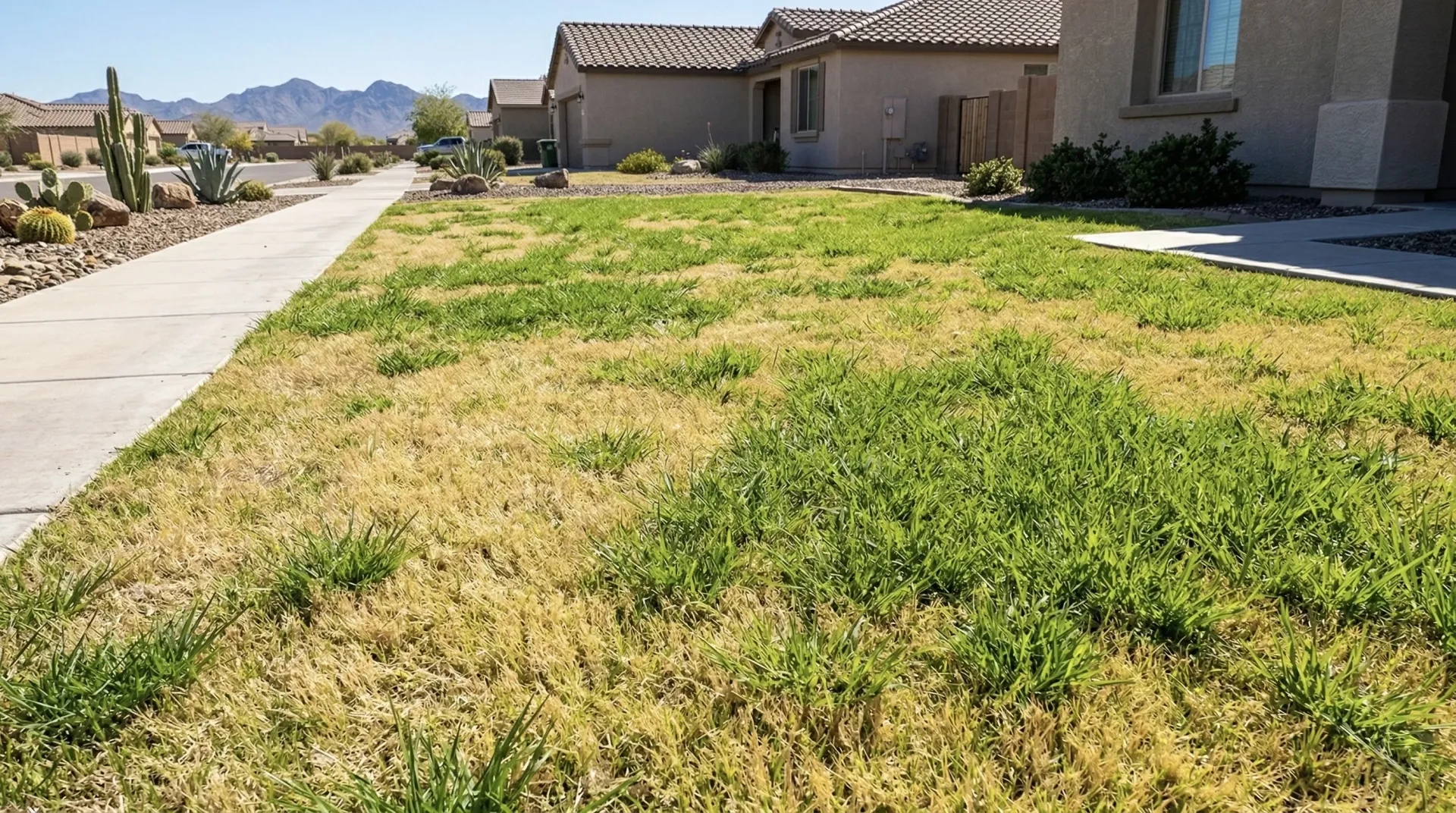
  • Uneven lawn density
  • Weak Bermuda emergence
  • Winter rye persistence issues
  • Tree canopy irregularities
  • Rising water usage without visible growth


Spring recovery determines summer survival.

Understanding Arizona’s Unique Seasonal Recovery Cycle

Arizona landscapes follow a stress-adaptation growth pattern, not a traditional dormancy cycle.


Key recovery phases include:


  1. Soil biological reactivation
  2. Turf transition stabilization
  3. Root depth strengthening
  4. Tree metabolic recovery
  5. Irrigation system recalibration


Failure during this phase leads to:


  • Summer lawn burnout
  • Increased pest vulnerability
  • Long-term soil degradation
  • Reduced shade performance


If winter damage signs are visible, start with a structured evaluation approach outlined here.

Soil Reactivation: The Most Overlooked Spring Priority

Soil recovery is the foundation of successful landscape revival.

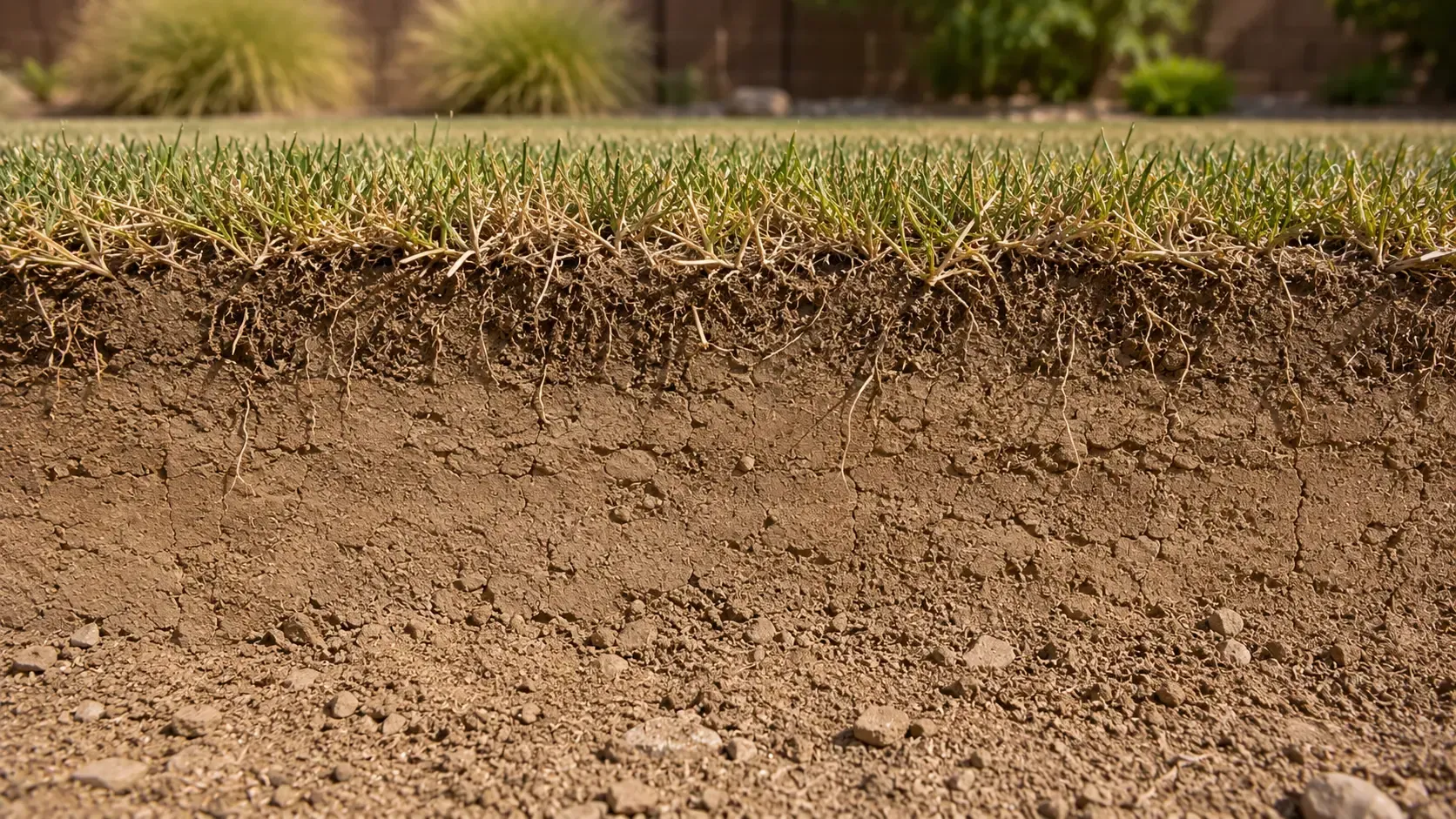
Arizona soils often experience compaction, nutrient depletion, and microbial dormancy during winter.


Spring soil restoration should focus on:


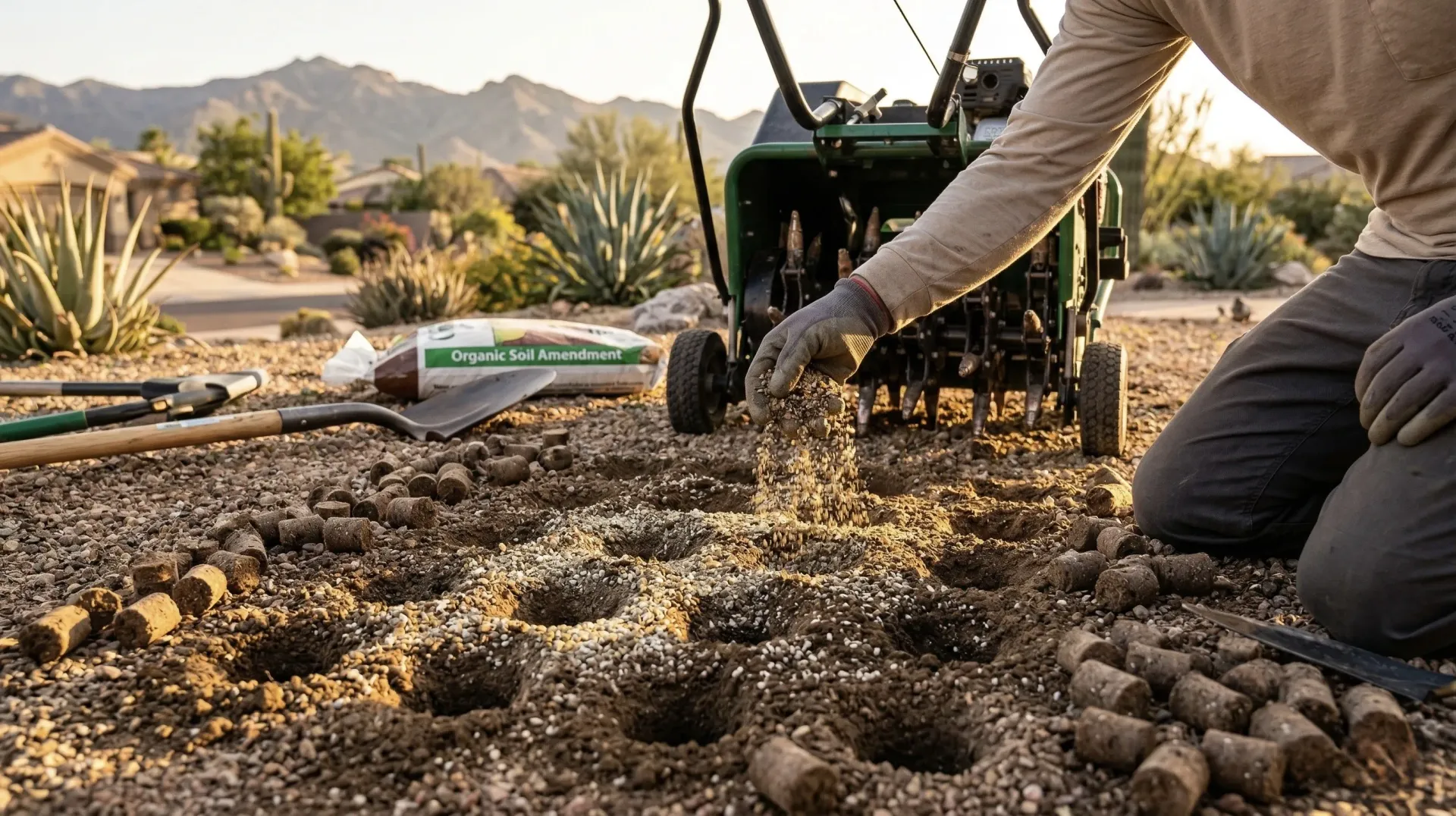
  • Mechanical aeration for oxygen exchange
  • Organic matter integration
  • Microbial activity stimulation
  • Mineral balance correction


Healthy soil enables:


  • Stronger root penetration
  • Better water efficiency
  • Reduced fertilizer dependency


For deeper understanding of desert soil behavior, review desert soil preparation strategies.

Turf Transition Science: Managing Winter Rye Decline & Bermuda Recovery

The transition from winter rye to Bermuda is the single most misunderstood process in Arizona lawn care.


Common homeowner mistakes:


  • Maintaining winter irrigation patterns
  • Delaying mowing adjustments
  • Early fertilization triggers
  • Shaded turf stagnation


Correct transition management ensures:


  • Uniform summer lawn density
  • Reduced weed intrusion
  • Improved drought resilience


To understand which turf types thrive long-term in Arizona climates, revisit grass performance fundamentals.

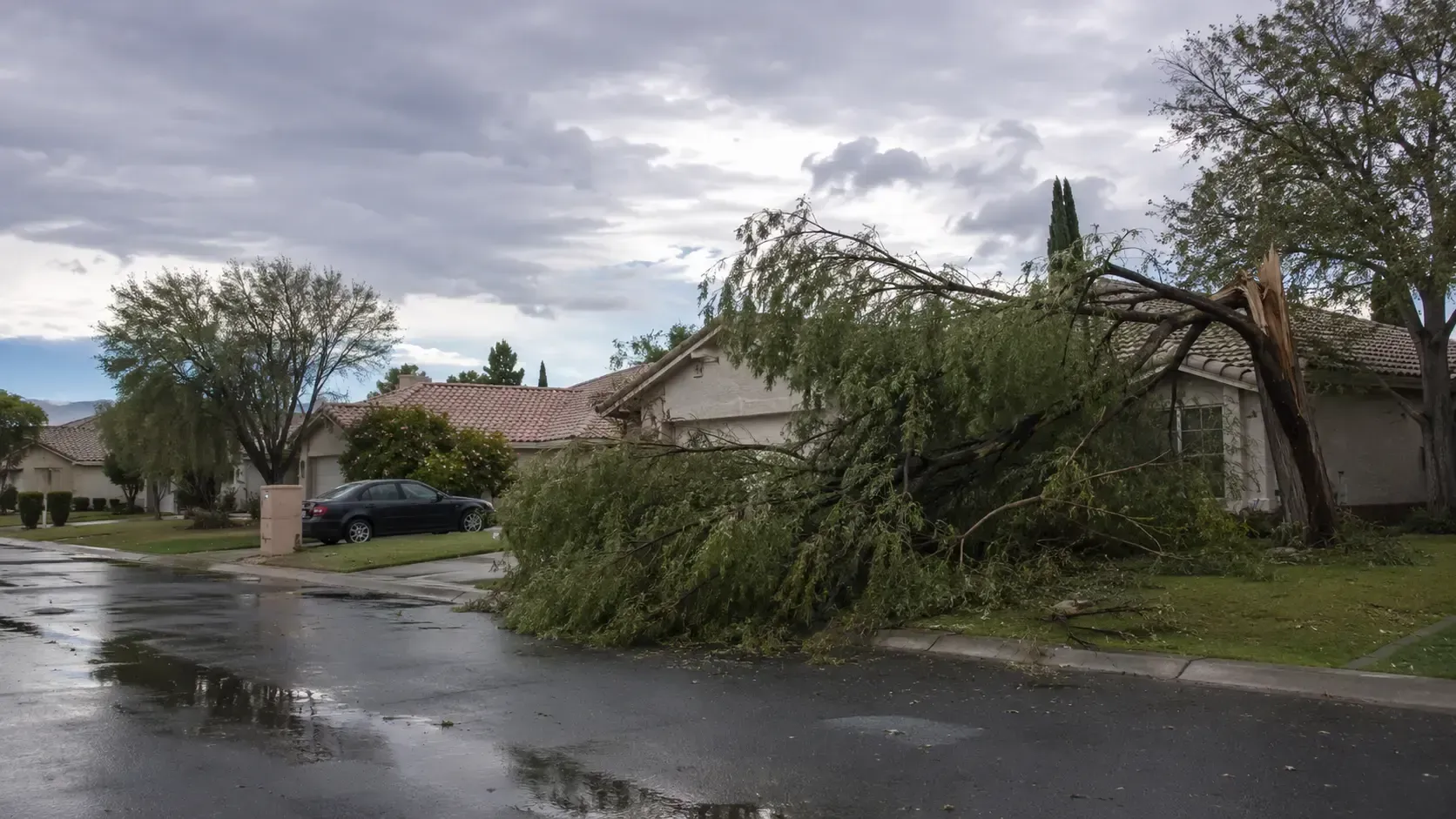
Tree Recovery Fundamentals After Cold Season Stress

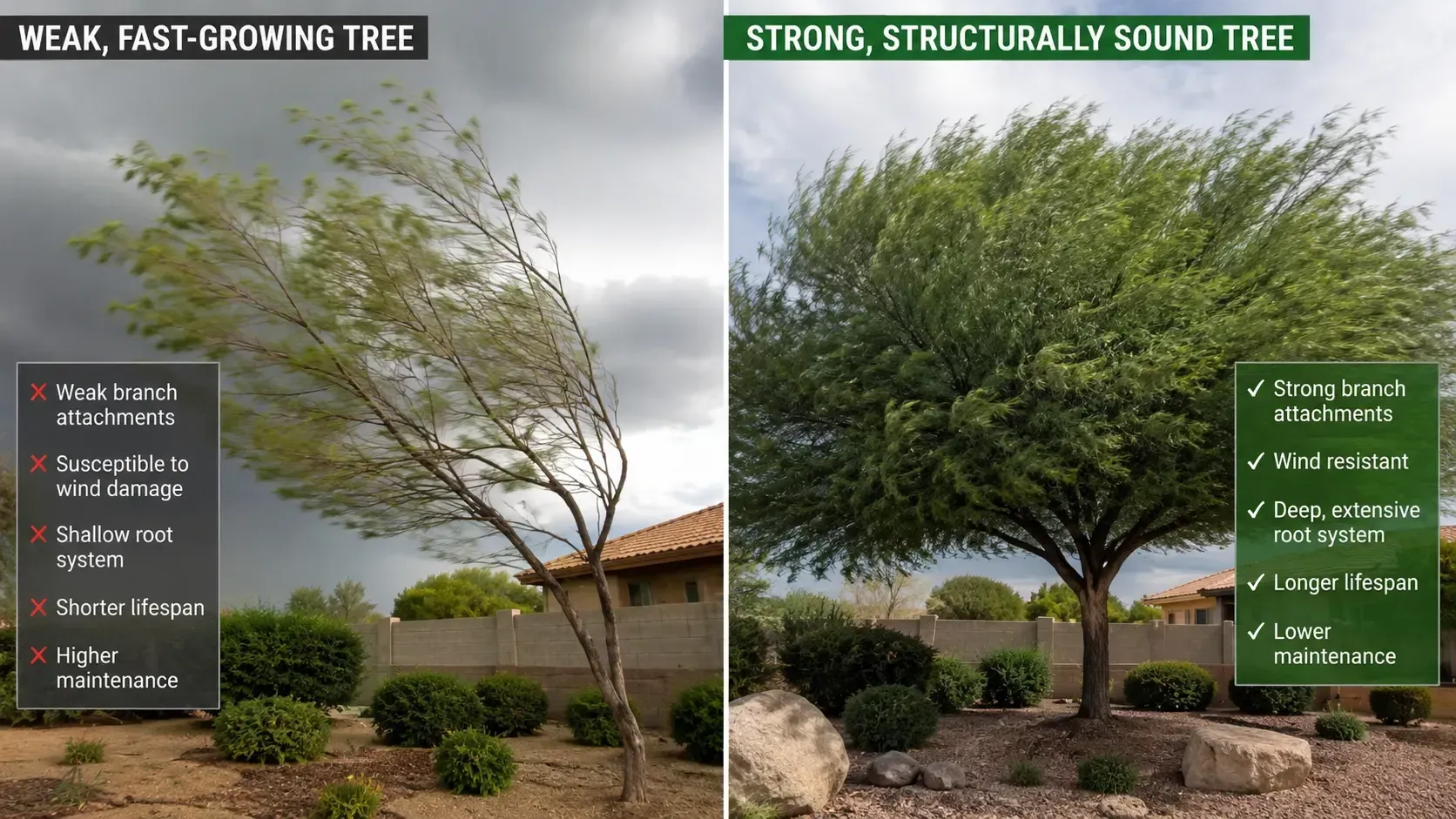
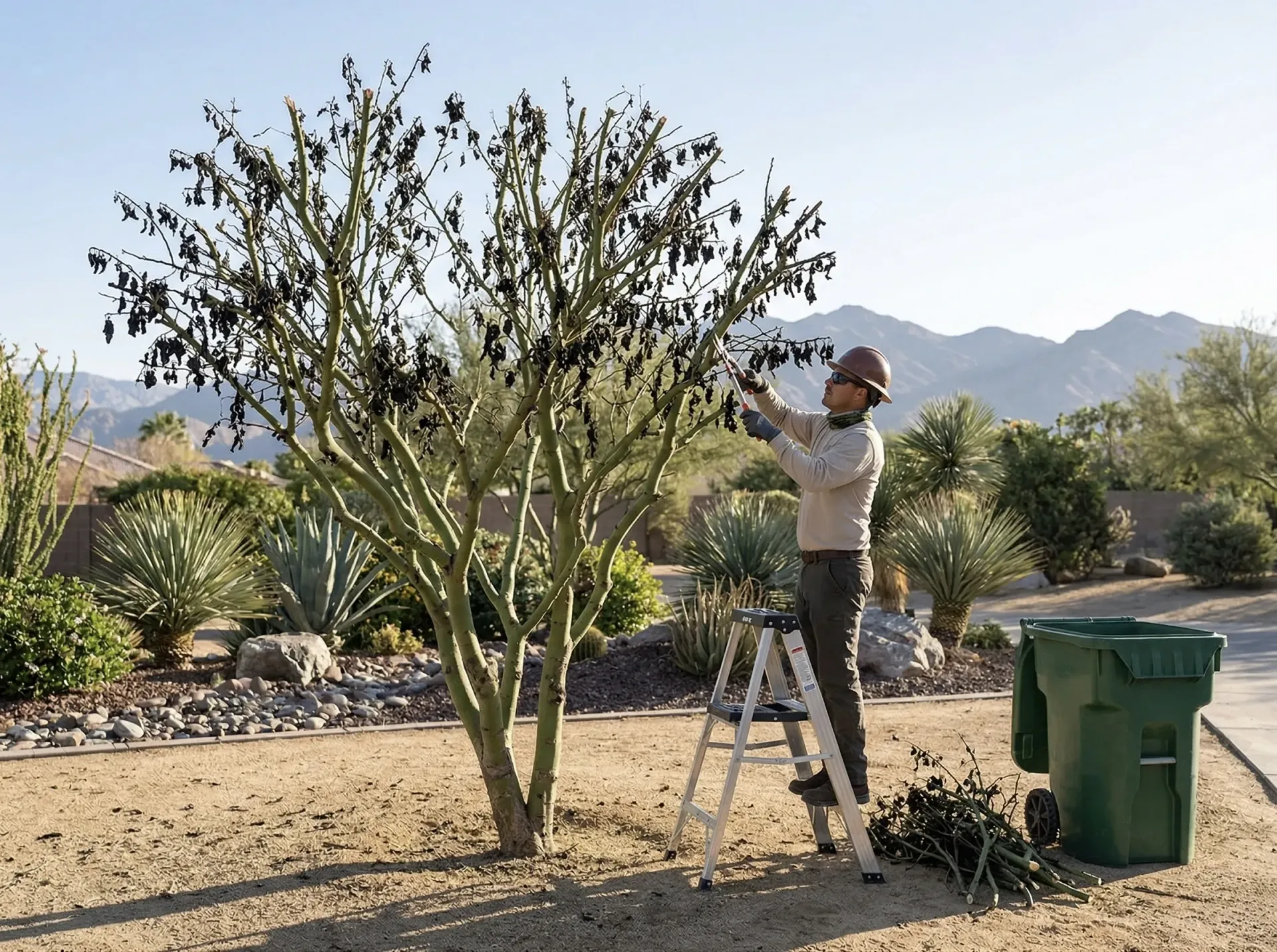
Trees recover slower than turf due to vascular system sensitivity.


Spring tree recovery should include:


Structural pruning for stress redistribution

Root-zone deep watering

Nutrient timing alignment

Early pest monitoring


Healthy trees significantly improve:


Property cooling efficiency

Outdoor usability

Landscape visual appeal


For frost-related tree damage insights, explore cold stress prevention techniques.

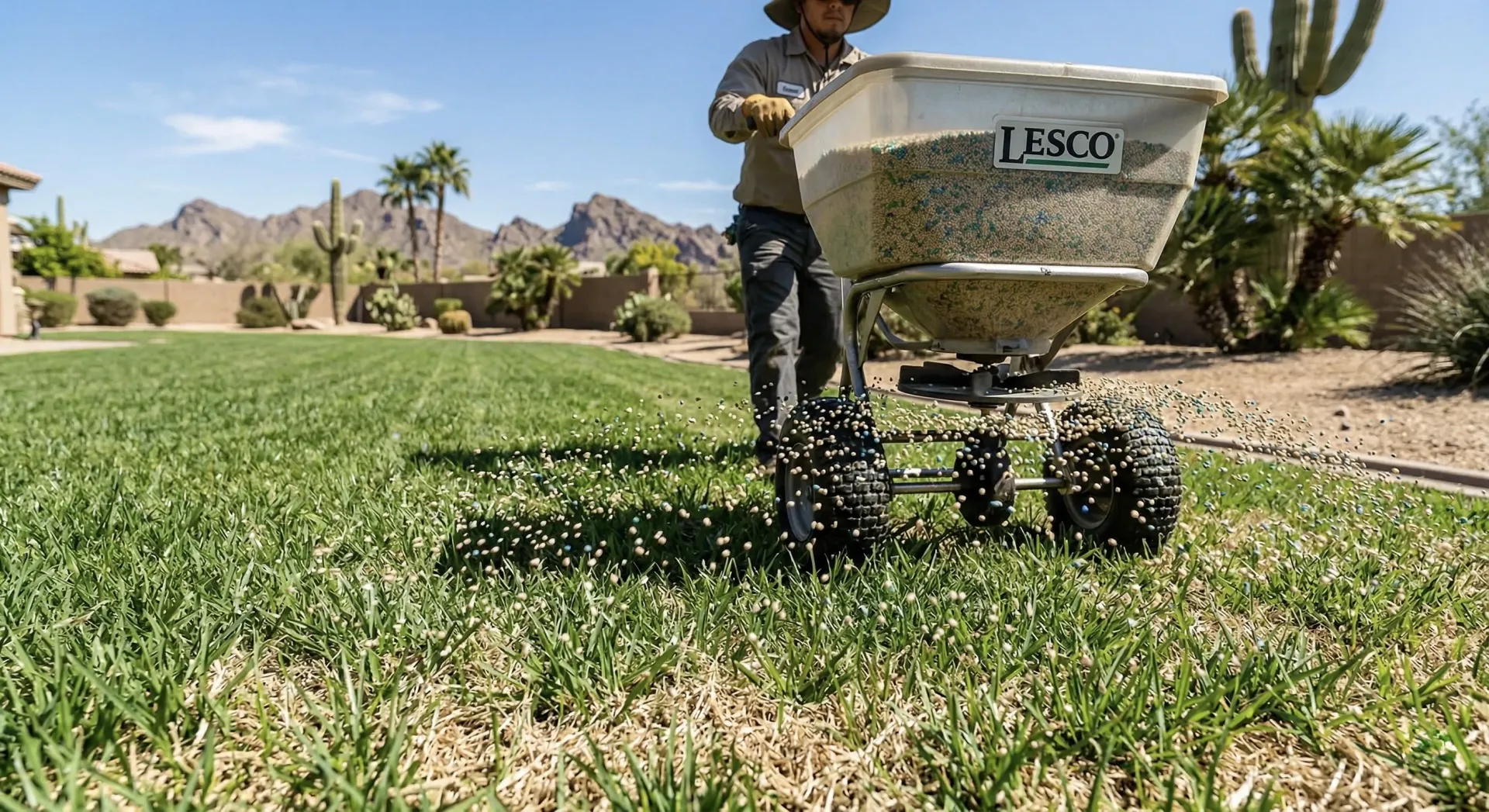
Spring Fertilization Strategy: Timing Matters More Than Quantity

Arizona fertilization programs must align with soil temperature patterns, not calendar assumptions.


Incorrect fertilization leads to:


  • Shallow root growth
  • Excess irrigation dependency
  • Nutrient inefficiency
  • Turf disease vulnerability


Optimal spring feeding involves:


  • Slow-release nutrient blends
  • Soil-based nutrient scheduling
  • Turf transition synchronization


For complete feeding cycle understanding, refer to Arizona fertilization timing insights.

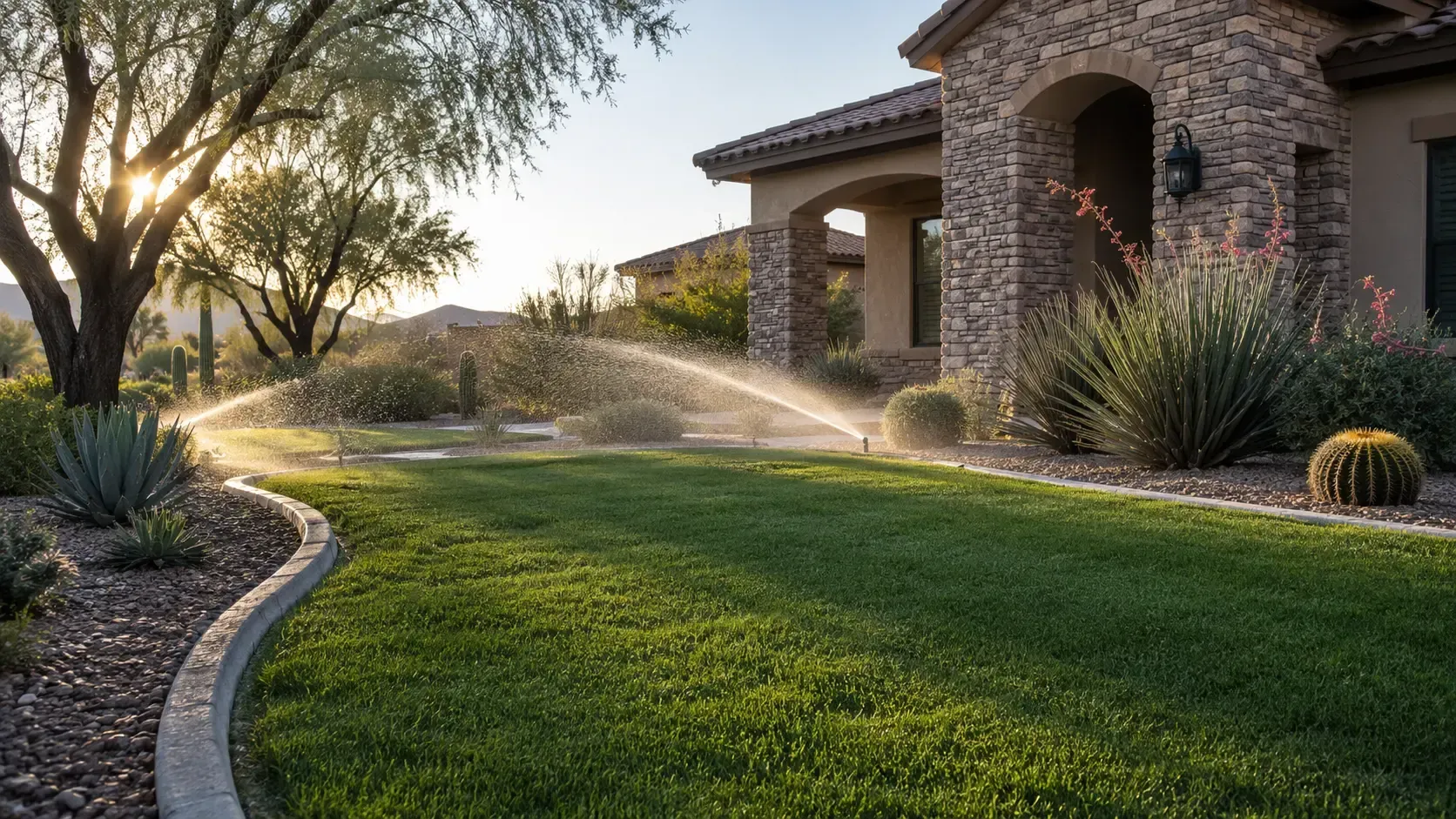
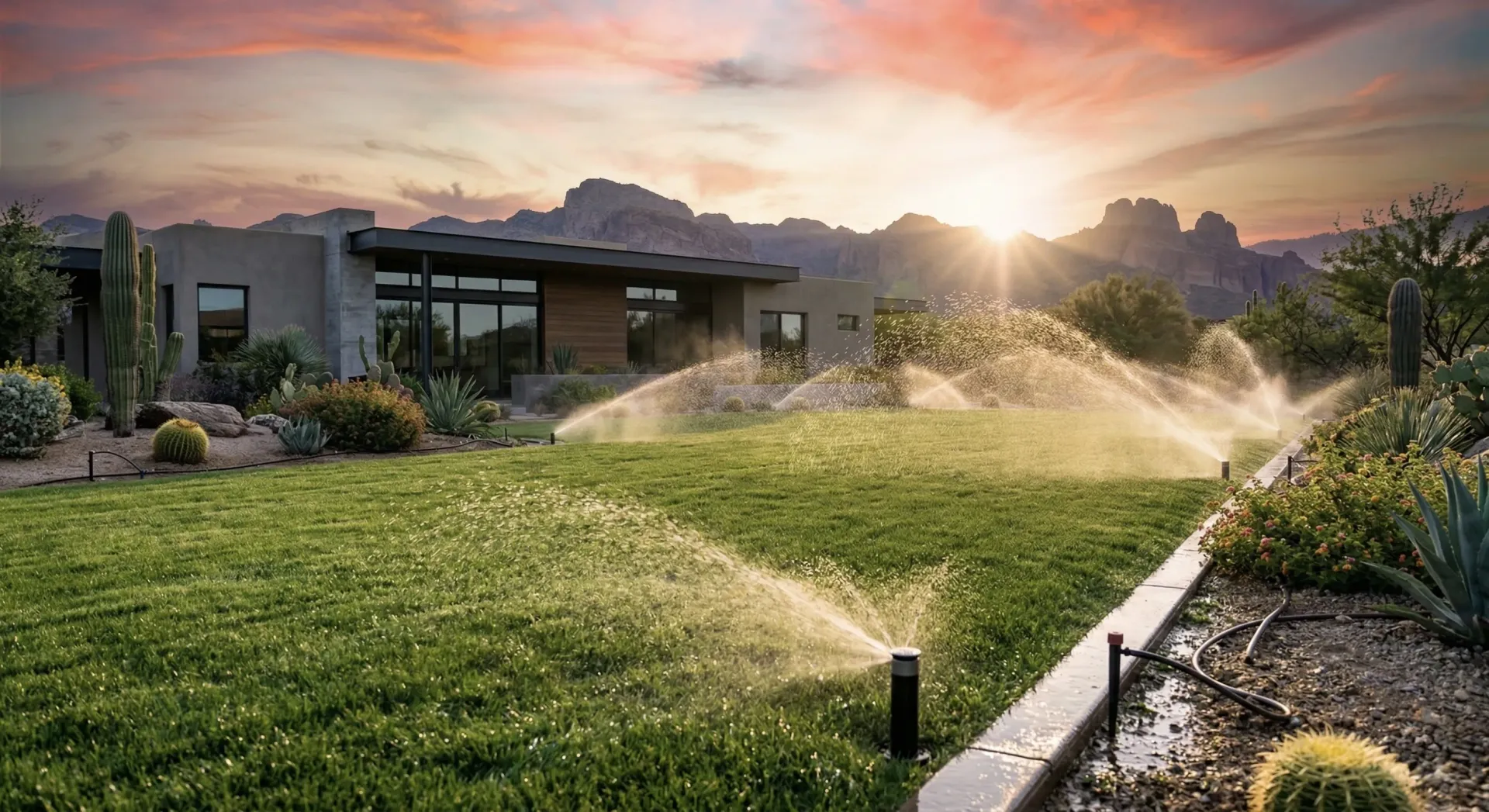
Irrigation System Reset for Spring Landscape Performance

Winter watering schedules create hidden inefficiencies that impact spring growth.


Spring irrigation recalibration should address:


  • Depth vs frequency optimization
  • Evapotranspiration adjustment
  • Soil moisture distribution
  • System performance validation


Improper irrigation recovery is one of the leading causes of summer turf failure.


Review seasonal irrigation management strategies for full optimization principles.

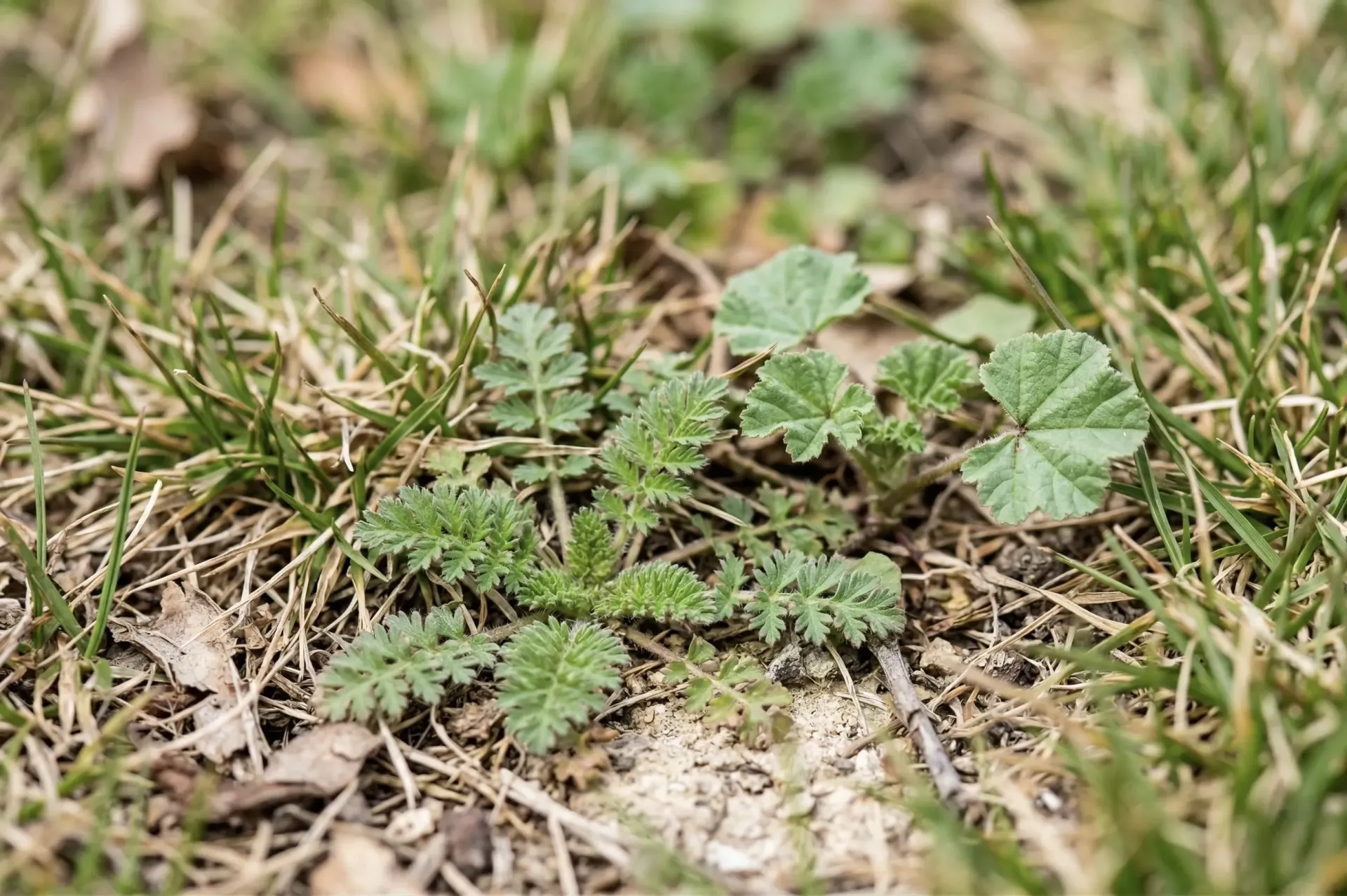
Early Weed Suppression During Recovery Phase

Weak turf invites opportunistic desert weeds.


Spring prevention strategies include:


  • Turf density restoration
  • Proper mowing height control
  • Pre-emergent timing alignment
  • Soil health stabilization


Healthy lawns naturally suppress weed growth — recovery planning is the first defense layer.

Monitoring Recovery Success: Signs Your Landscape Is Stabilizing

Positive recovery indicators:


  • Even Bermuda shoot emergence
  • Consistent lawn coloration
  • Strong tree budding cycles
  • Reduced irrigation dependency


Warning signs of poor recovery:


  • Persistent patchiness
  • Tree canopy thinning
  • High water consumption
  • Soil surface cracking

Why Professional Spring Recovery Planning Produces Superior Landscapes

Arizona landscapes require climate-adaptive strategy, not generic seasonal care.


Structured recovery planning provides:


  • Long-term irrigation efficiency
  • Improved turf resilience
  • Reduced corrective treatment costs
  • Enhanced property value


Landscapes that undergo proper spring recovery often:


  • Use significantly less water annually
  • Maintain stronger turf density
  • Survive extreme summer heat more effectively

Frequently Asked Questions

  • When should I start spring lawn recovery in Arizona?

    Late February to early March is ideal, depending on soil temperature trends.

  • Should I fertilize my lawn immediately after winter?

    No. Fertilization should align with Bermuda emergence, not winter rye decline.

  • How do I know if my trees suffered winter damage?

    Delayed budding, uneven leaf growth, and branch dieback are common indicators.

  • Is aeration necessary every spring in Arizona?

    In compacted desert soils, annual aeration significantly improves turf health.

  • Why does my lawn look worse before it gets better in spring?

    The turf transition phase naturally creates temporary thinning before Bermuda dominance returns.

A green background with a white outline of a heart.
March 17, 2026
Why Early-Season Mistakes Are So Common in Arizona
February 19, 2026
Why Spring Lawn Prep in Arizona Starts Earlier Than You Think
A Sharp, vibrant Arizona yard featuring evergreen shrubs, agave, and cypress trees in warm morning l
December 14, 2025
Evergreen species that stay vibrant, structured, and healthy all winter long.
December 3, 2025
How to Use This Guide
Green lawn grass.
November 17, 2025
1. Understanding Arizona Winter Lawn Behavior
Beautiful aerial shot of the garden.
November 5, 2025
Discover the top commercial landscaping ideas Arizona businesses trust to attract customers, save water, and elevate curb appeal. Expert tips from Happy Clean Lawnscapes.
An office building showing high-impact curb appeal zones
October 13, 2025
Commercial Landscaping is a Whole Different Ball Game in Arizona
Show More