


When to Fertilize Lawn in Arizona: Best Fertilizer for Arizona Grass and Trees in Buckeye
April 10, 2026
A white background with a few lines on it

If your lawn in Buckeye is turning yellow, thinning out, or refusing to green up no matter how much you water, there is a good chance the problem is not water alone. Many Arizona homeowners keep adding irrigation when the real issue is poor timing, nutrient imbalance, or depleted desert soil nutrients.


In Arizona, fertilization is one of the most important parts of lawn and tree health, but it is also one of the most misunderstood. Too early, too late, too much, or the wrong product can leave you with brown grass, weak roots, and stressed trees.


In this guide, you will learn when to fertilize lawn in Arizona, how to build a fertilizer schedule for an Arizona lawn, what the best fertilizer for Arizona grass usually looks like, and how tree fertilization fits into the bigger picture of lawn maintenance in Arizona.

Why Fertilization Matters More in Arizona Than Most Homeowners Think

Buckeye and the surrounding West Valley deal with intense sun, alkaline soils, heat stress, and long dry stretches. That combination makes it harder for lawns and trees to access the nutrients they need, even when they are being watered regularly.


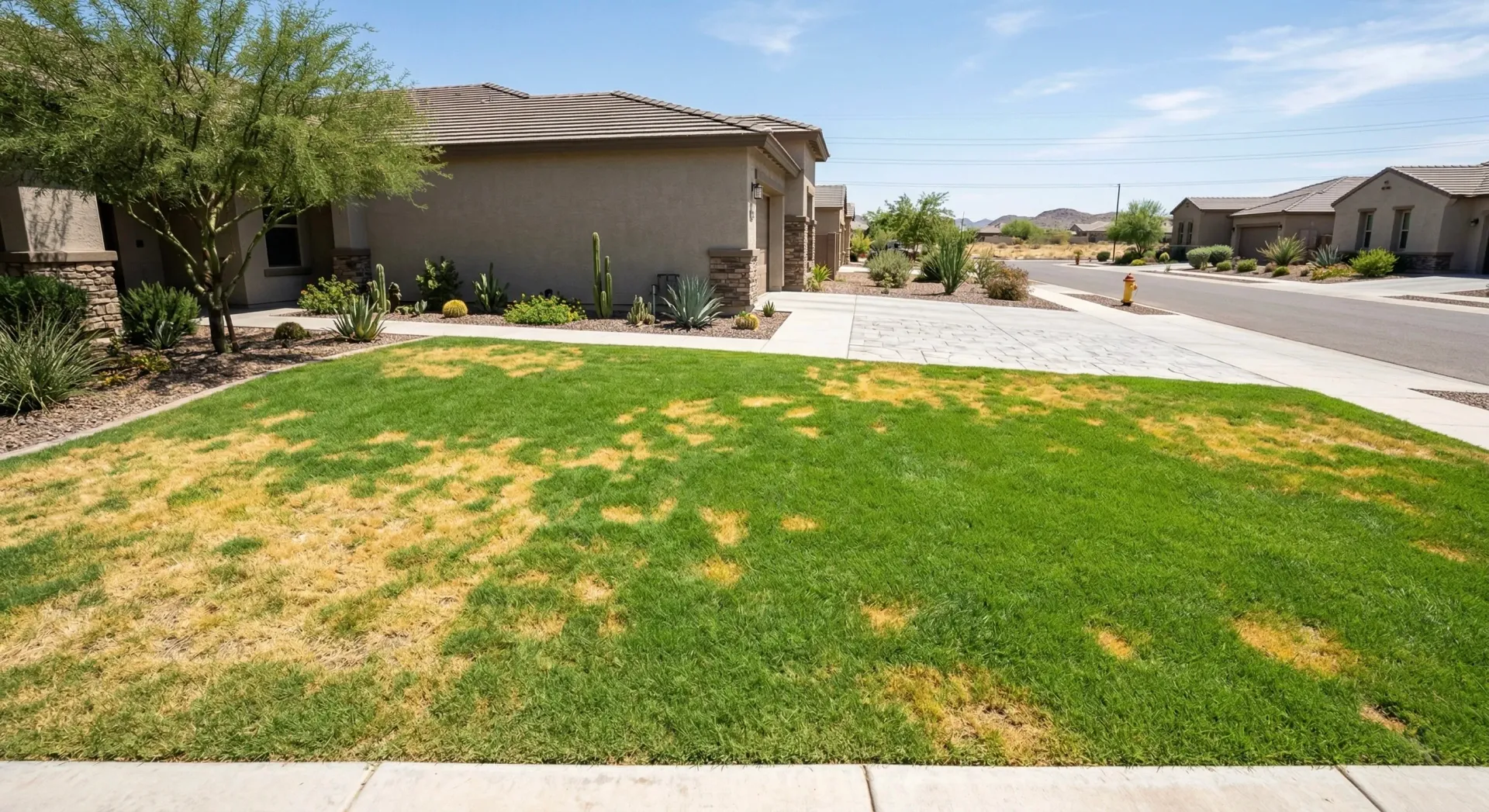
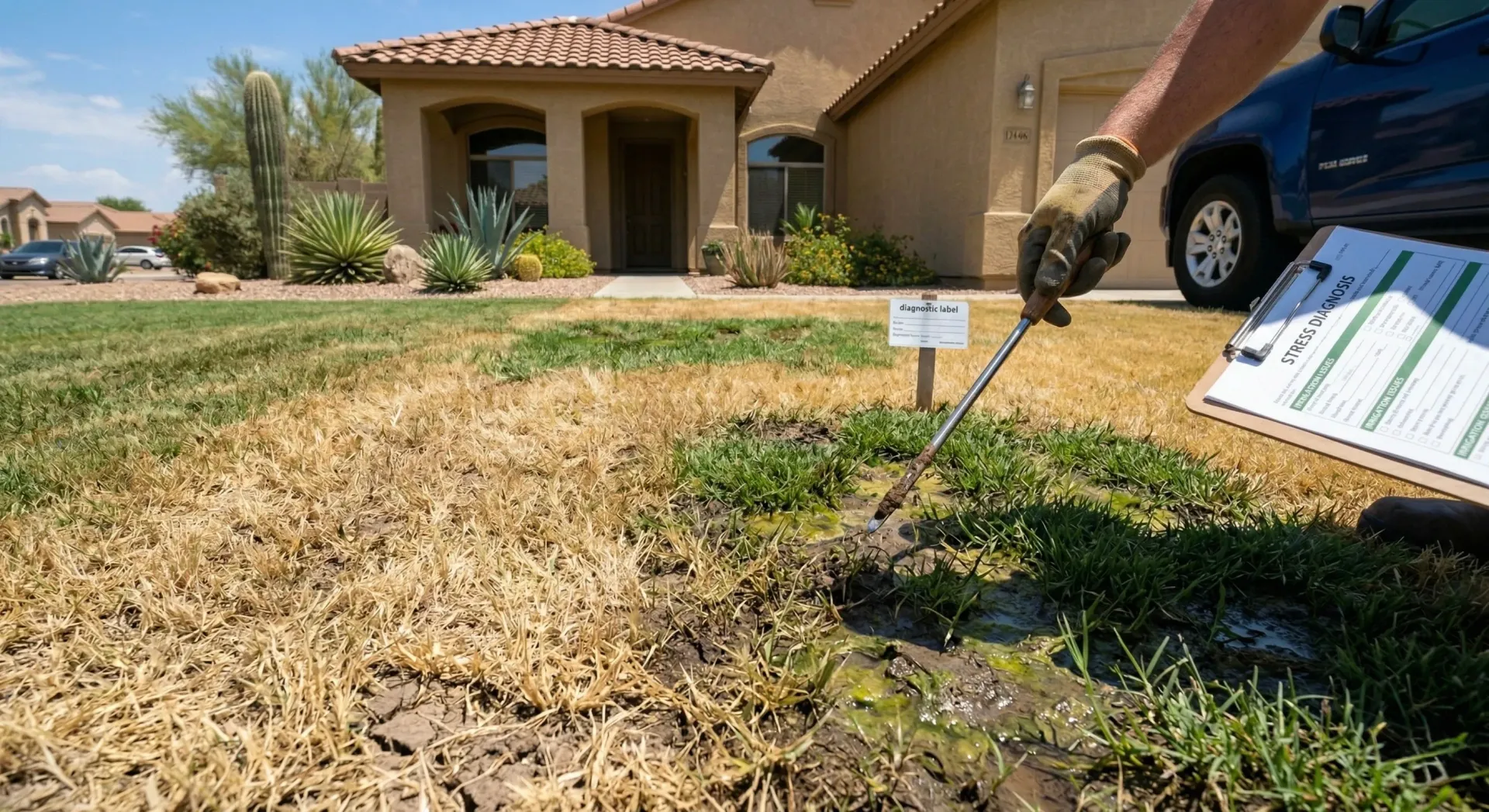
That is why many homeowners ask why grass turns brown in Arizona even when the sprinklers are running. In many cases, the lawn is not simply thirsty. It is underfed, compacted, or unable to properly absorb nutrients from the soil.


Proper fertilization helps:


● Improve grass color and density

● Support root growth during stress

● Strengthen recovery after heat damage

● Help trees and ornamentals stay healthier

● Reduce the cycle of overwatering and weak growth

When to Fertilize Lawn in Arizona

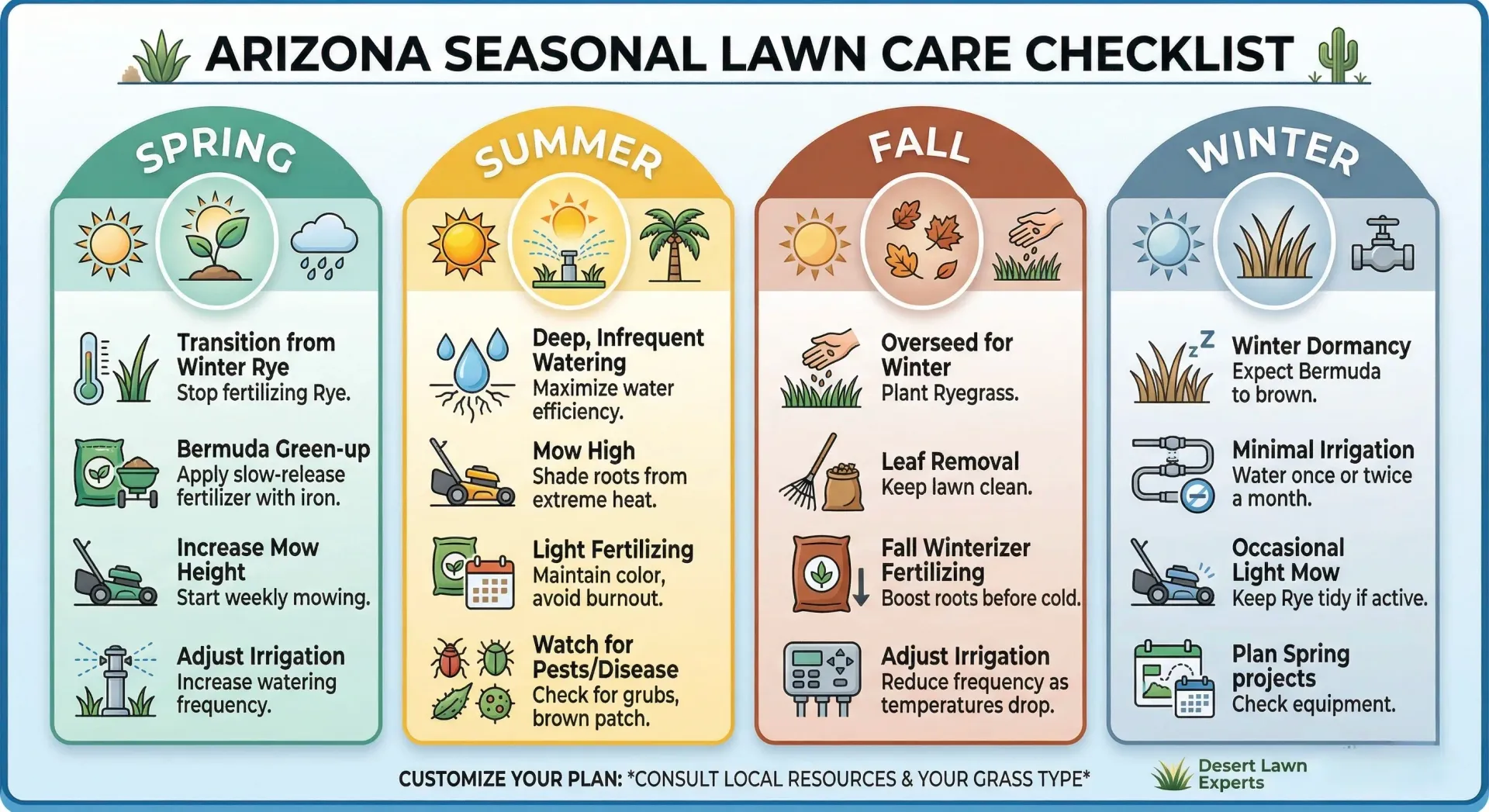
The right timing depends on your grass type and the season. Most Arizona lawns use warm-season grasses like Bermuda, which respond best when fertilized during active growth, not while dormant.


Best Timing for Warm-Season Lawns in Buckeye


For most lawns in Buckeye, the best fertilization window starts in spring once the grass is actively growing and daytime temperatures are consistently warming up.


General Lawn Fertilization Timeline


Early Spring


Wait until your lawn has started coming out of dormancy and is showing active green growth. Fertilizing too early can be wasteful and can encourage uneven growth.


Late Spring to Early Summer


This is often the most important feeding period for Bermuda and similar Arizona grasses. This is when the lawn is actively growing and able to use nutrients efficiently.


Mid to Late Summer


A second or follow-up application may be helpful depending on lawn condition, usage, and your overall fertilizer schedule for an Arizona lawn.


Early Fall


A lighter seasonal feeding can help support recovery before growth slows. Do not pushaggressive fertilization too late into the year.


Winter


Most warm-season Arizona lawns should not be heavily fertilized in winter. If the grass is dormant, feeding it is usually not the right move.

Simple Fertilizer Schedule for an Arizona Lawn

If you want a practical framework, this is the schedule most homeowners should think from:


Step 1: Identify Your Grass Type


Most Buckeye lawns are warm-season lawns. If you are not sure, this is the first thing to verify

before applying anything.


Step 2: Fertilize During Active Growth


Do not fertilize based on the calendar alone. Fertilize when the grass is actually growing.


Step 3: Use Multiple, Strategic Feedings


Arizona lawns usually do better with a planned seasonal approach than one heavy application.


Step 4: Adjust for Stress Conditions


If your lawn is heat-stressed, scalped, overwatered, compacted, or recovering from damage,

your approach may need to change.


Step 5: Pair Fertilization With Proper Irrigation


Water helps move nutrients into the root zone, but too much water can create its own problems.

Watering vs fertilizing lawn care is not an either-or issue. In Arizona, they must work together.

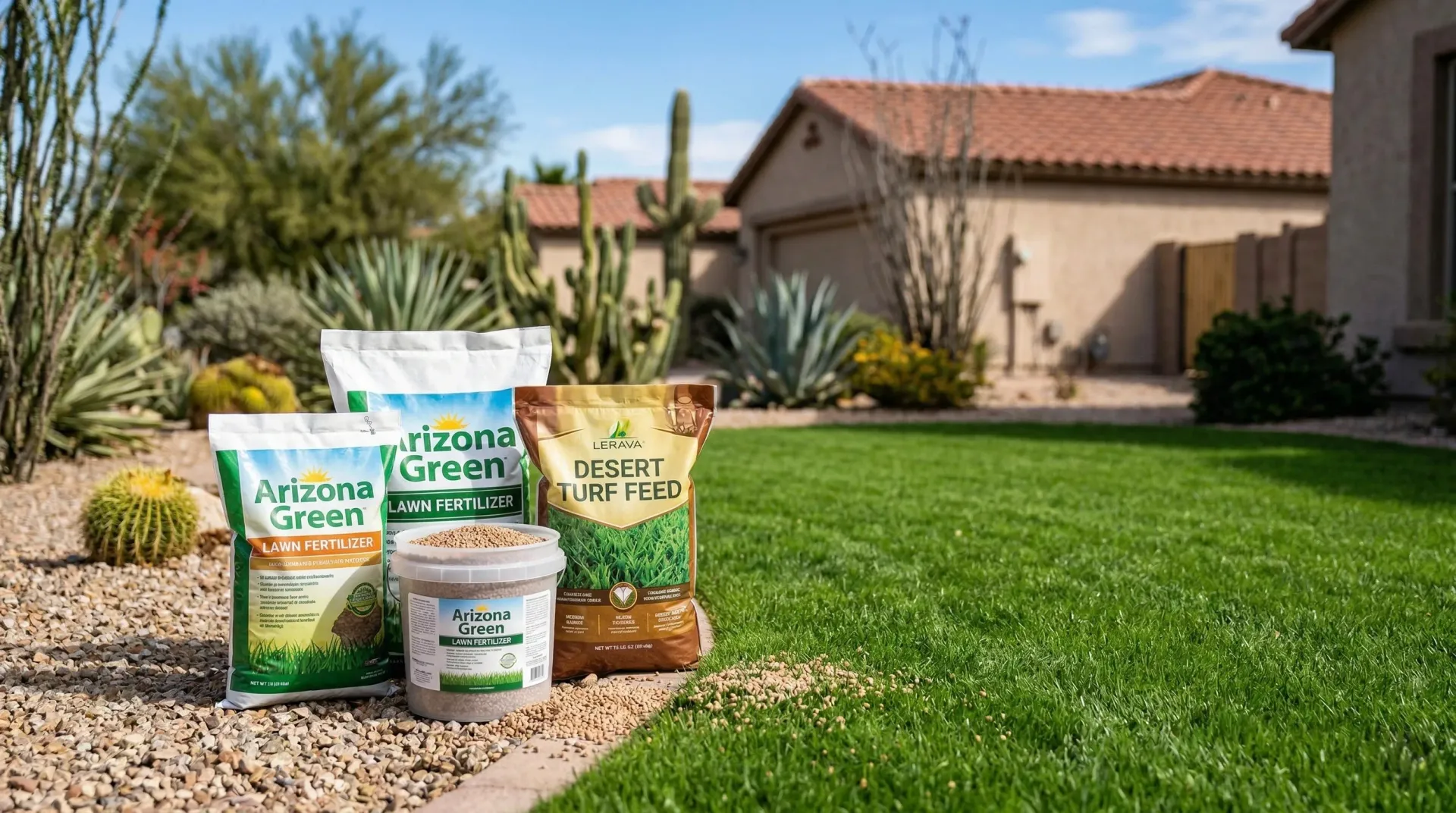
Best Fertilizer for Arizona Grass

Homeowners often search for the best fertilizer for Arizona grass hoping for one magic product. The truth is that the best fertilizer depends on your lawn condition, soil profile, and timing.


That said, the right fertilizer for desert lawns usually needs to support steady growth without overstimulating weak turf.


What to Look For


Balanced Nutrient Support


Arizona lawns often need support beyond just nitrogen. Desert soil nutrients can be limited or

locked up due to alkaline conditions.


Slow-Release Performance


Slow-release fertilizers often help create more stable growth and reduce the risk of surge growth

followed by stress.


Seasonal Fit


Slow-release fertilizers often help create more stable growth and reduce the risk of surge growth

followed by stress.


Compatibility With Soil Conditions


How to Keep Grass Green in Arizona Without Overdoing it


One of the biggest mistakes in lawn maintenance in Arizona is assuming greener grass always comes from more water. It does not.


If you want to know how to keep grass green in Arizona, focus on the full system:


    ● Fertilize at the right time

    ● Use the right product for the season

    ● Water deeply and appropriately

    ● Mow at the right height

    ● Address compacted or poor soil

    ● Watch for heat stress before it becomes long-term damage


A lawn that is getting too much water and not enough nutrients can still look weak. A lawn getting fertilizer at the wrong time can also struggle, even with a good irrigation schedule.

Tree Fertilization in Arizona: Do Not Ignore the Rest of the Yard

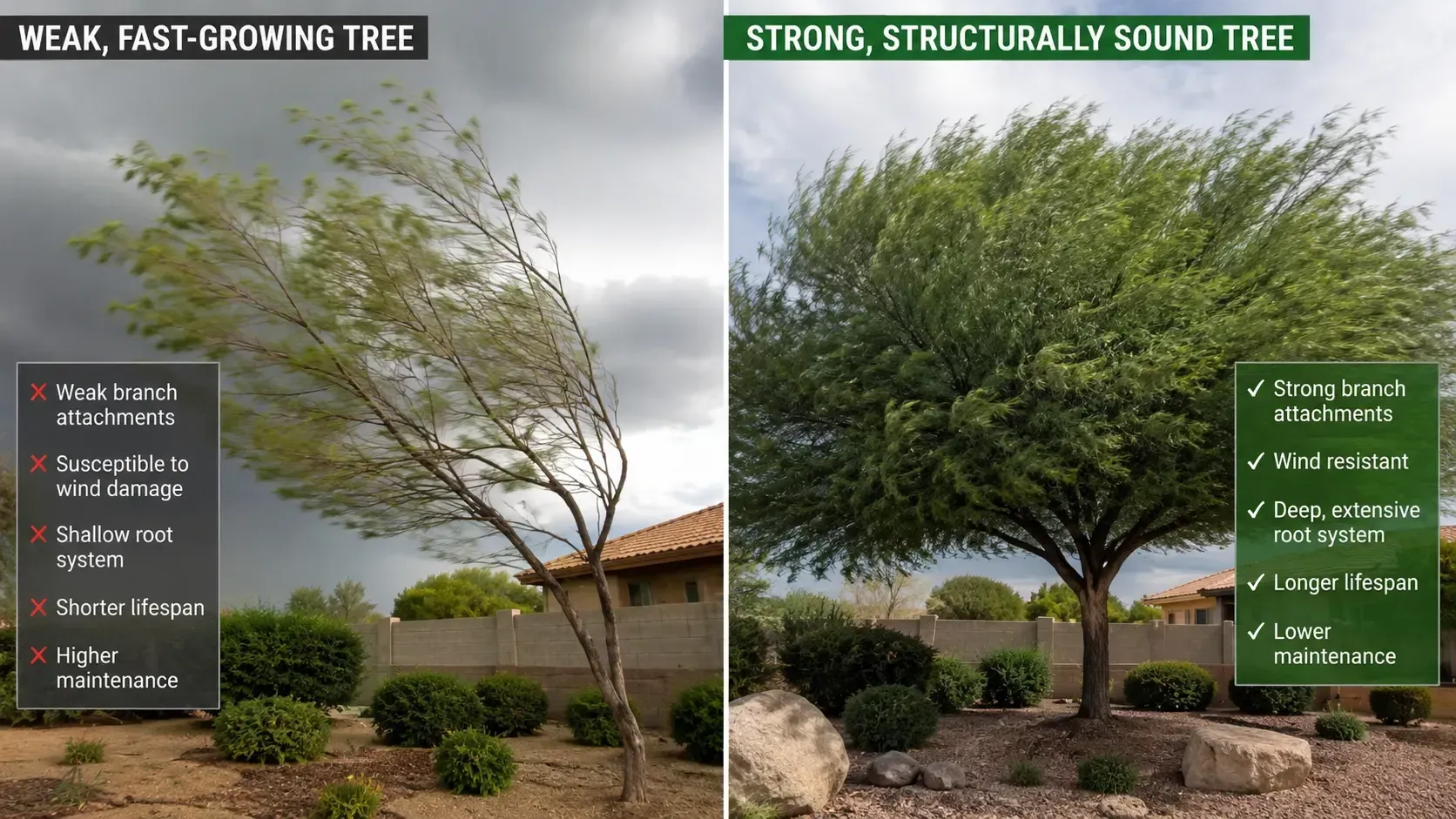
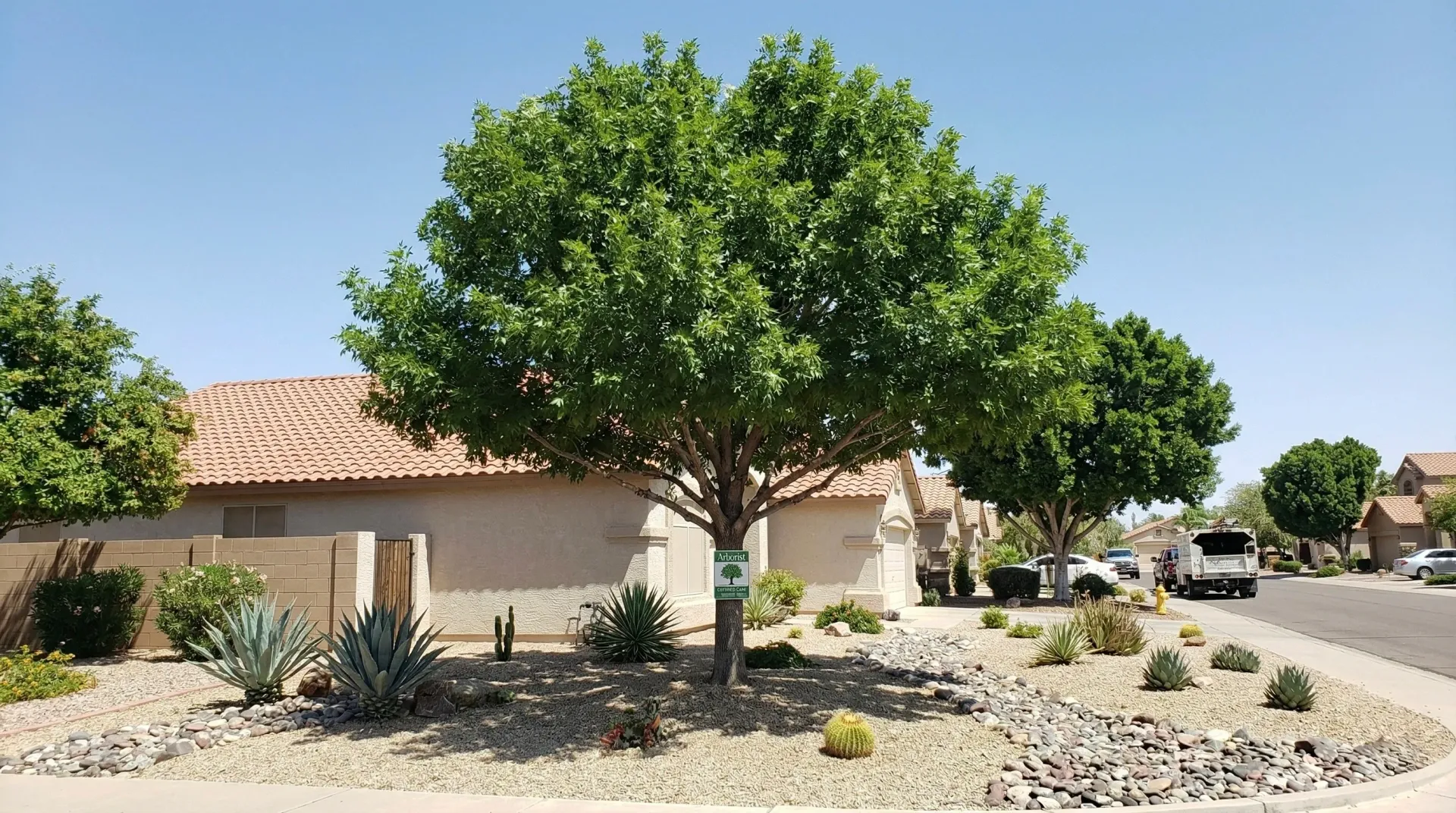
Many homeowners focus only on the grass and forget that trees are also dealing with the same harsh environment. Tree fertilization in Arizona matters because trees in desert landscapes face nutrient limitations, heat stress, and compacted soil too.


Trees often need a different approach than turf.


Why Tree Fertilization Matters

Trees rely on strong root systems and consistent nutrient access to handle summer stress. When they are underfed, you may see slower growth, pale leaves, thinning canopies, or general decline over time.


When to Fertilize Trees

Tree fertilization is usually most effective during active root and canopy development, not during peak stress periods or dormancy. Timing depends on tree type, age, and soil conditions.


Lawn and Tree Fertilization Should Be Coordinated

Your yard works as one ecosystem. If your turf is struggling and your trees are also stressed, treating only one part of the problem can lead to mediocre results.

Common Fertilization Mistakes Arizona Homeowners Make

These are the mistakes that cause the most problems in Buckeye and nearby West Valley neighborhoods.


Fertilizing Too Early in Spring

If the grass is not actively growing yet, nutrients may be wasted and results will be inconsistent.


Using the Wrong Product

Not every fertilizer is ideal for desert lawns. A generic product may not match Arizona soil conditions or seasonal needs.


Applying Too Much at Once

Heavy applications can stress the lawn, increase burn risk, and create unhealthy growth patterns.


Treating Water as the Only Solution

Watering vs fertilizing lawn care is a common confusion point. A yellow lawn is not always asking for more water.


Ignoring Trees and Shrubs

A yard-wide nutrient problem rarely affects only the grass.


Skipping Soil and Condition Assessment

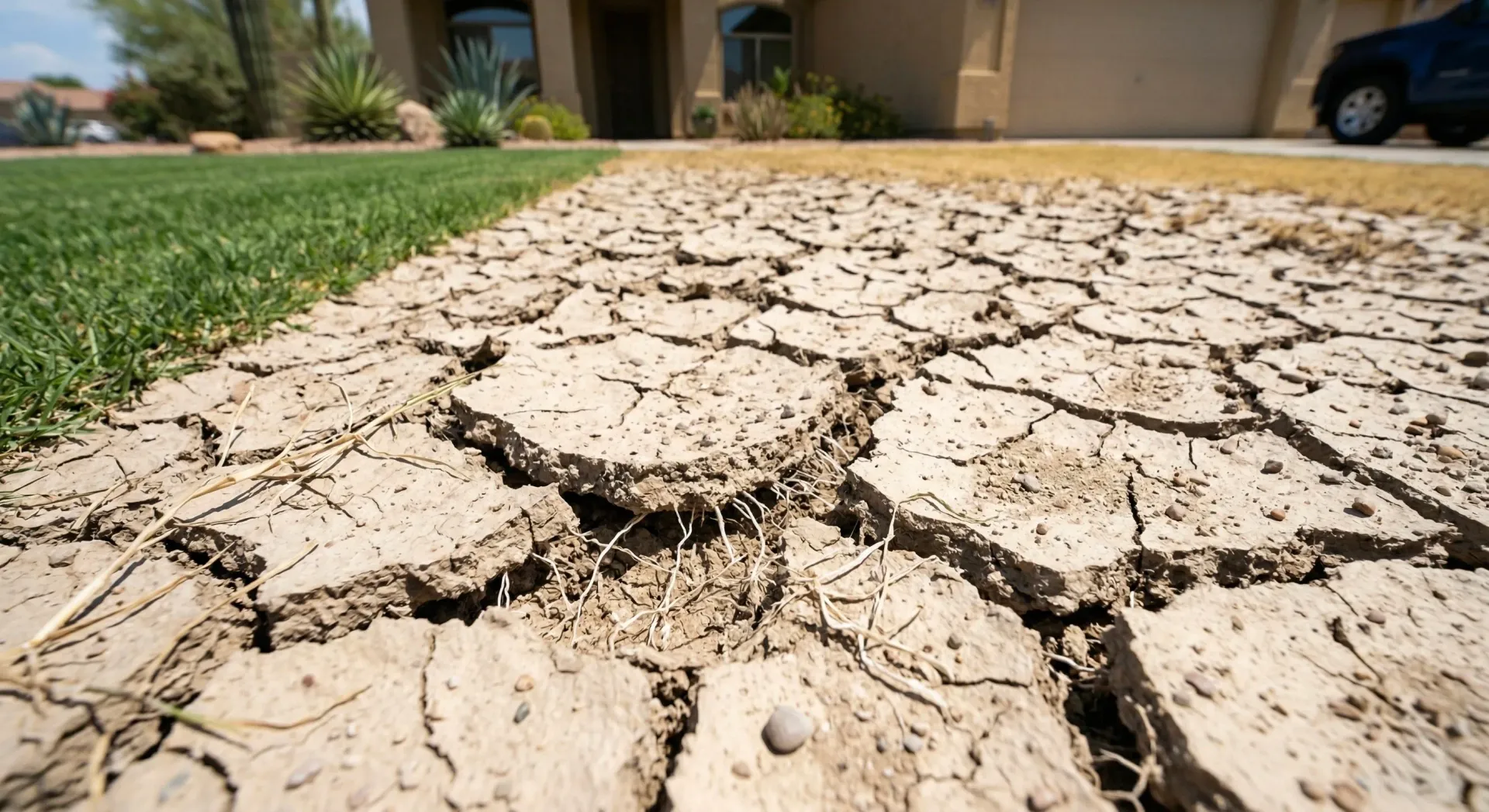
If your lawn is compacted, damaged, or dealing with poor nutrient uptake, fertilizer alone may not solve the issue.

A Quick Check Before You Fertilize

Before you put anything down, ask these questions:


Is the grass actively growing?

If not, wait.


Is the lawn yellow because of nutrient deficiency, or is it water stress?

Do not guess.


Has the lawn been overwatered recently?

Too much water can create shallow roots and mask the real problem.


Are the trees showing stress too?

That may point to a broader soil or nutrient issue.


Are you following a real fertilizer schedule for your Arizona lawn?

Random applications usually lead to inconsistent results.

Getting Better Results Starts With a Better Plan

If your lawn has been difficult to manage, the issue may not be effort. It may be strategy.


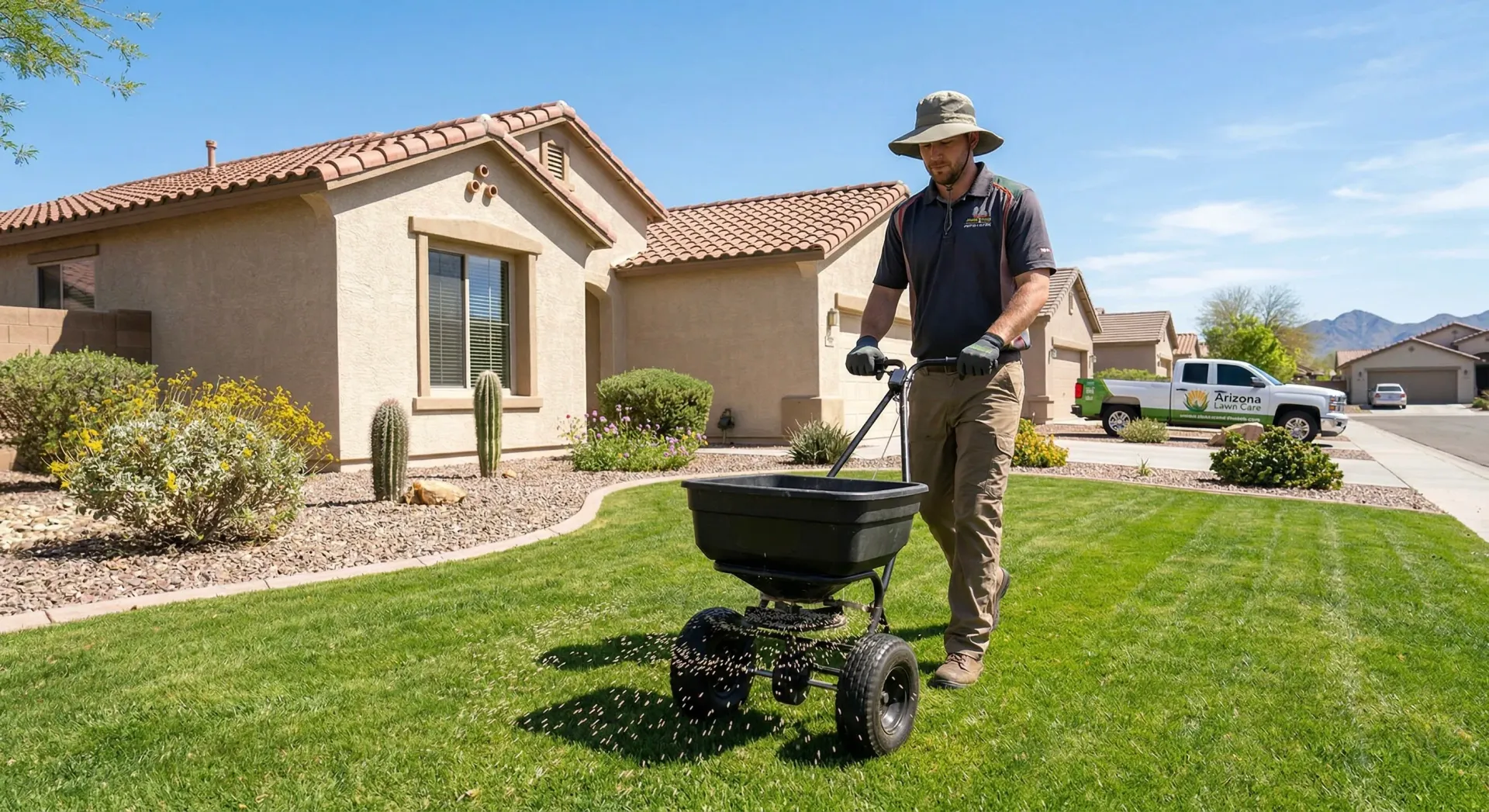
A professional fertilization plan can help you avoid wasted treatments, reduce trial and error, and build a yard that stays healthier through Arizona’s toughest months. If you are tired of guessing when to fertilize lawn in Arizona or which treatment your grass and trees actually need, getting expert eyes on the property can save time and money.


Internal linking opportunities:

You can naturally link here to related pages such as lawn care services in Buckeye, tree care

services, irrigation checks, or a related post like why grass turns brown in Arizona.

Mid-Season Reminder: If Your Lawn Still Looks Weak, Do Not Keep Guessing

If you have already tried watering more, changing your mowing habits, or throwing down fertilizer without consistent results, that is a sign the yard needs a more targeted plan.


Professional lawn care is not just about applying products. It is about understanding Arizona grass cycles, desert soil nutrients, irrigation interaction, and the timing that actually produces healthy growth.

Want a healthier lawn and stronger trees without the trial and error? Schedule a fertilization and lawn health assessment for your Buckeye property and get a plan built for Arizona conditions, not generic advice.

When DIY Is Not Enough

DIY fertilization can work for some homeowners, but there is a point where guesswork becomes expensive.


You should strongly consider professional help when:


The Lawn Keeps Yellowing Despite Watering

This often points to a nutrient or soil issue, not just irrigation.


Growth Is Patchy or Uneven

That may be caused by application inconsistency, compaction, or deeper lawn health problems.


Trees Are Also Showing Stress

When both turf and trees look weak, it usually makes sense to evaluate the full landscape.


You Are Unsure What Product or Timing Is Right

Mistimed fertilization can set the lawn back instead of helping it.


You Want Consistent Results Through the Season

Professional lawn care services can track timing, product selection, and seasonal adjustments

more accurately than one-off DIY treatments.

Final Thoughts: Fertilization Is Not Optional in Arizona, but It Has to Be Done Right

In Buckeye and across the West Valley, fertilization is not a minor extra. It is one of the core drivers of lawn color, growth, recovery, and long-term tree health.


If you want to know when to fertilize lawn in Arizona, the answer is not just a date on the calendar. It is about timing applications to active growth, choosing the best fertilizer for Arizona grass, understanding desert soil nutrients, and coordinating lawn and tree care together.


Done right, fertilization helps solve some of the most common homeowner frustrations in Arizona, including thin turf, weak color, and confusion around watering vs fertilizing lawn care.

If your grass is struggling, your trees look stressed, or you want a clear fertilizer schedule for your Arizona lawn, book a professional lawn evaluation today. The right plan can help you get greener grass, healthier trees, and fewer costly mistakes throughout the season.

FAQs

  • How often should you fertilize lawn in Arizona?

    Most Arizona lawns benefit from multiple planned applications during active growing periods

    rather than one random feeding. The ideal schedule depends on grass type, season, and lawn

    condition, but warm-season lawns usually respond best to fertilization from spring through early

    fall.

  • What fertilizer is best for desert grass?

    The best fertilizer for desert grass is one that matches Arizona’s soil conditions, supports steady

    growth, and fits the season. In many cases, slow-release products with balanced nutrient

    support work better than aggressive, one-size-fits-all applications.

  • Can you fertilize trees and lawn at the same time?

    You can fertilize trees and lawn during the same general season, but they should not always be

    treated the exact same way. Turf and trees often need different product types, application

    methods, and timing based on root depth and plant health.


  • Why does grass turn brown in Arizona even when I water it?

    Grass can turn brown in Arizona from nutrient deficiency, poor soil conditions, overwatering,

    heat stress, compaction, or improper seasonal care. Water alone does not fix every lawn

    problem.

  • Is spring lawn fertilization in Arizona important?

    Yes. Spring lawn fertilization in Arizona is one of the most important opportunities to support

    healthy green-up and strong seasonal growth, especially for warm-season grasses coming out

    of dormancy.

  • What is the difference between watering and fertilizing lawn care?

    Watering helps maintain moisture, while fertilization provides the nutrients the lawn needs for

    color, growth, and recovery. In Arizona, both need to be managed together for the best results.


A green background with a white outline of a heart.
April 17, 2026
Yellow grass, burnt patches, weak growth? Learn the signs of over fertilizing lawn in Arizona and how to fix damage before it gets worse.
March 17, 2026
Why Early-Season Mistakes Are So Common in Arizona
March 3, 2026
Understanding Arizona’s Unique Seasonal Recovery Cycle
February 19, 2026
Why Spring Lawn Prep in Arizona Starts Earlier Than You Think
A Sharp, vibrant Arizona yard featuring evergreen shrubs, agave, and cypress trees in warm morning l
December 14, 2025
Evergreen species that stay vibrant, structured, and healthy all winter long.
December 3, 2025
How to Use This Guide
Green lawn grass.
November 17, 2025
1. Understanding Arizona Winter Lawn Behavior
Show More