
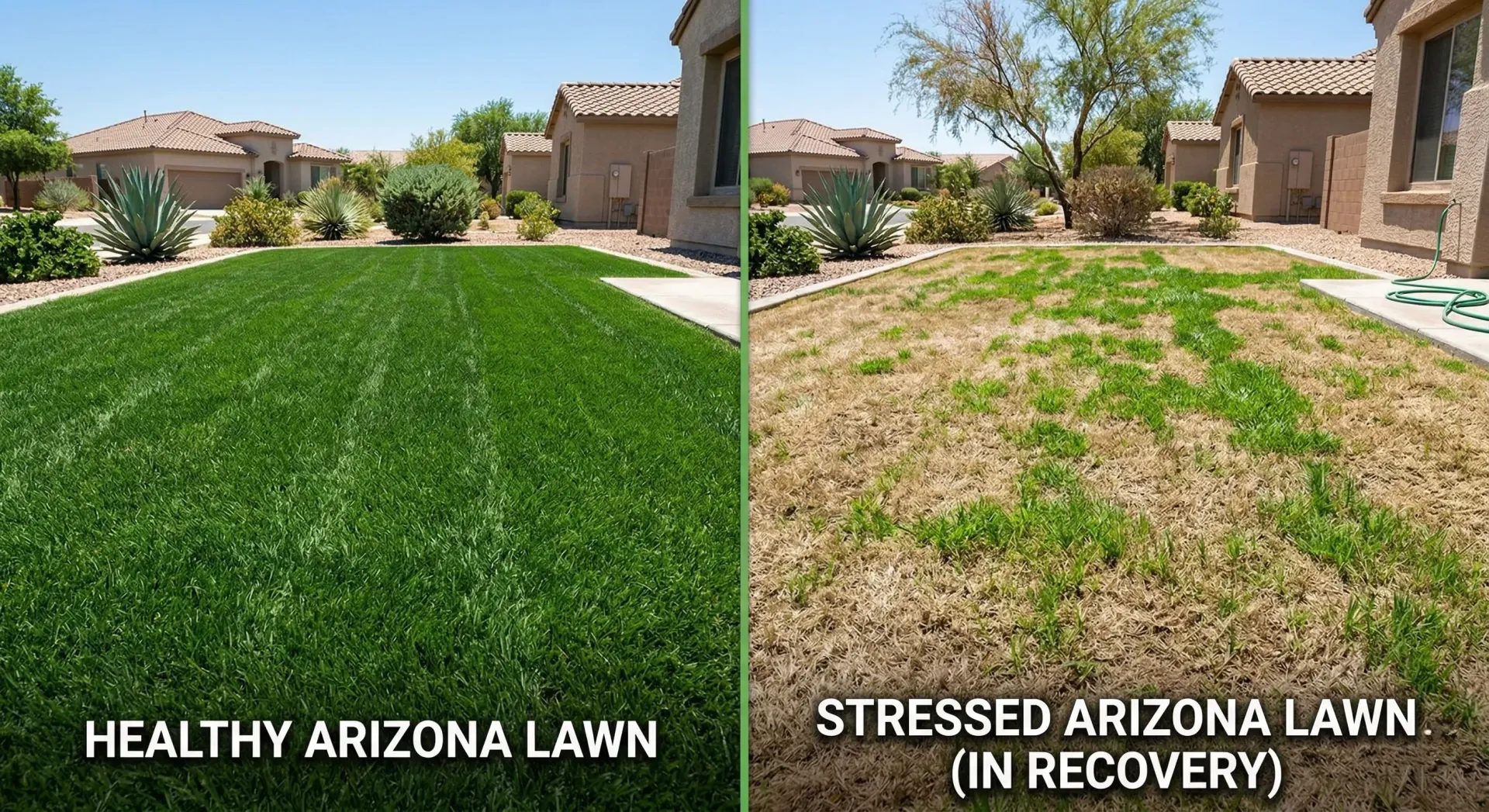

Arizona spring is deceptive.
Warm afternoons, longer daylight, and emerging greenery give the illusion that your landscape is “recovering naturally.”
In reality, this is the most fragile phase of the entire growing cycle.
The mistakes made between February and April often determine:
- Summer lawn survival
- Tree canopy health
- Water efficiency
- Weed pressure
- Long-term soil condition
Many homeowners unintentionally delay growth, weaken turf systems, or stress trees — simply by applying the wrong early-season practices.

Why Early-Season Mistakes Are So Common in Arizona
Unlike colder climates, Arizona landscapes do not follow a clear dormancy → growth pattern.
Instead, they undergo:
- Transitional turf competition
- Soil biological reactivation
- Root system recalibration
- Microclimate variability
This complexity causes homeowners to rely on calendar assumptions instead of environmental signals.
If your lawn experienced visible winter stress, begin with
proper seasonal assessment techniques explained here.
Mistake #1: Fertilizing Too Early
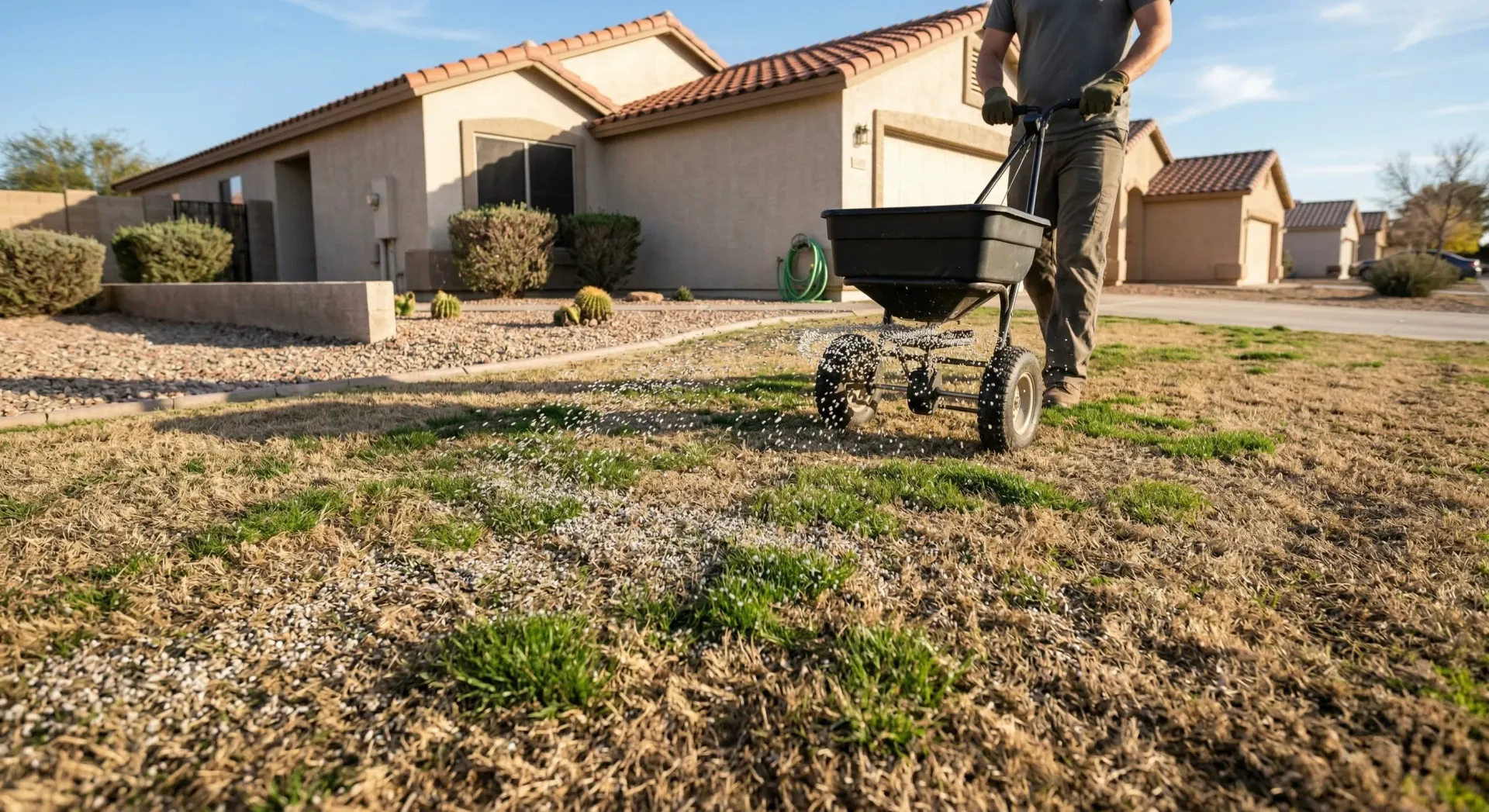
One of the most damaging early-season errors is applying fertilizer before Bermuda actively emerges.
This causes:
- Weak surface-level root growth
- Increased irrigation dependency
- Nutrient waste
- Turf disease risk
Fertilization should be synchronized with soil temperature trends, not warm daytime weather.
To understand optimal feeding timing in desert climates, review
fertilization fundamentals.

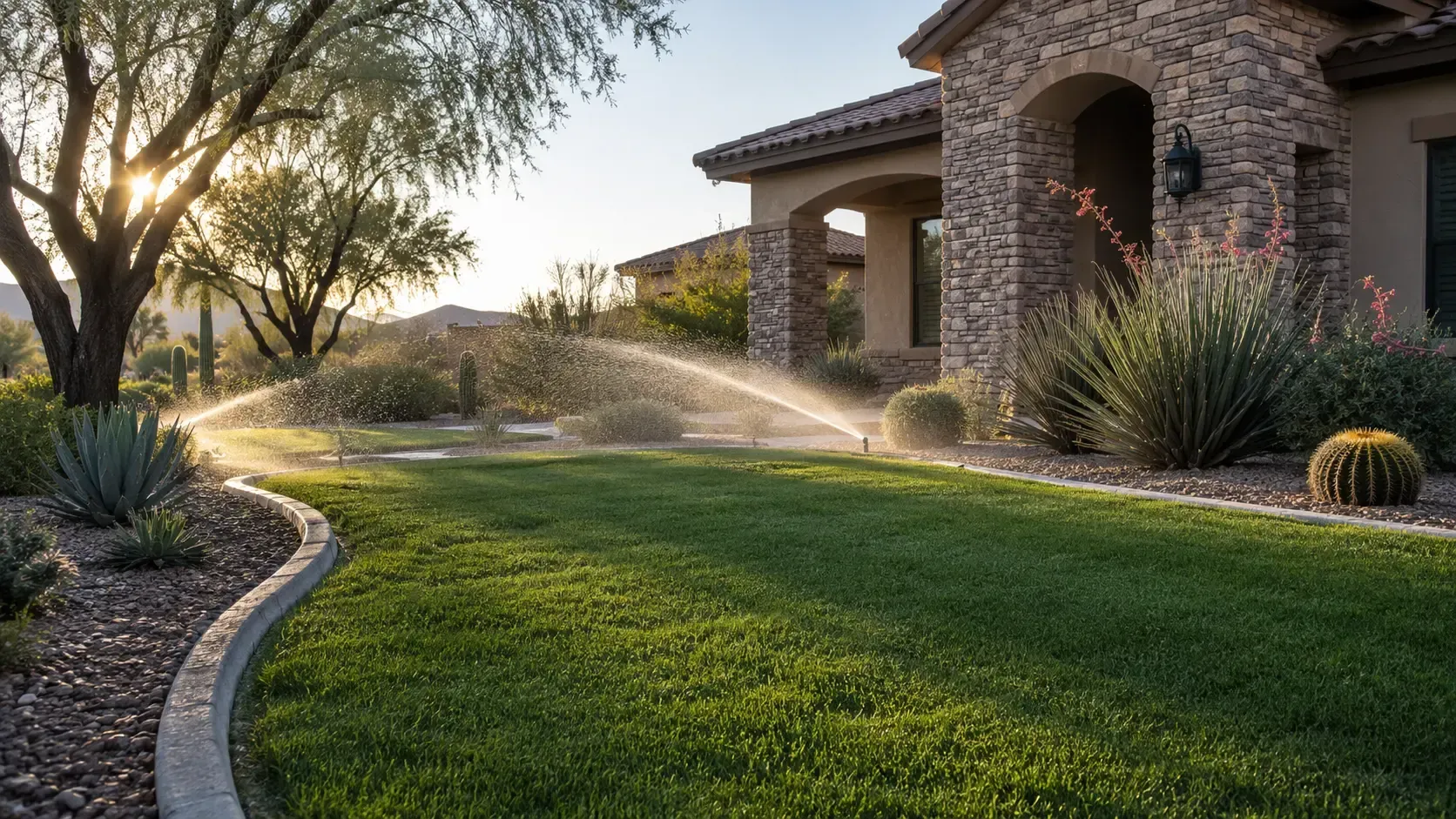
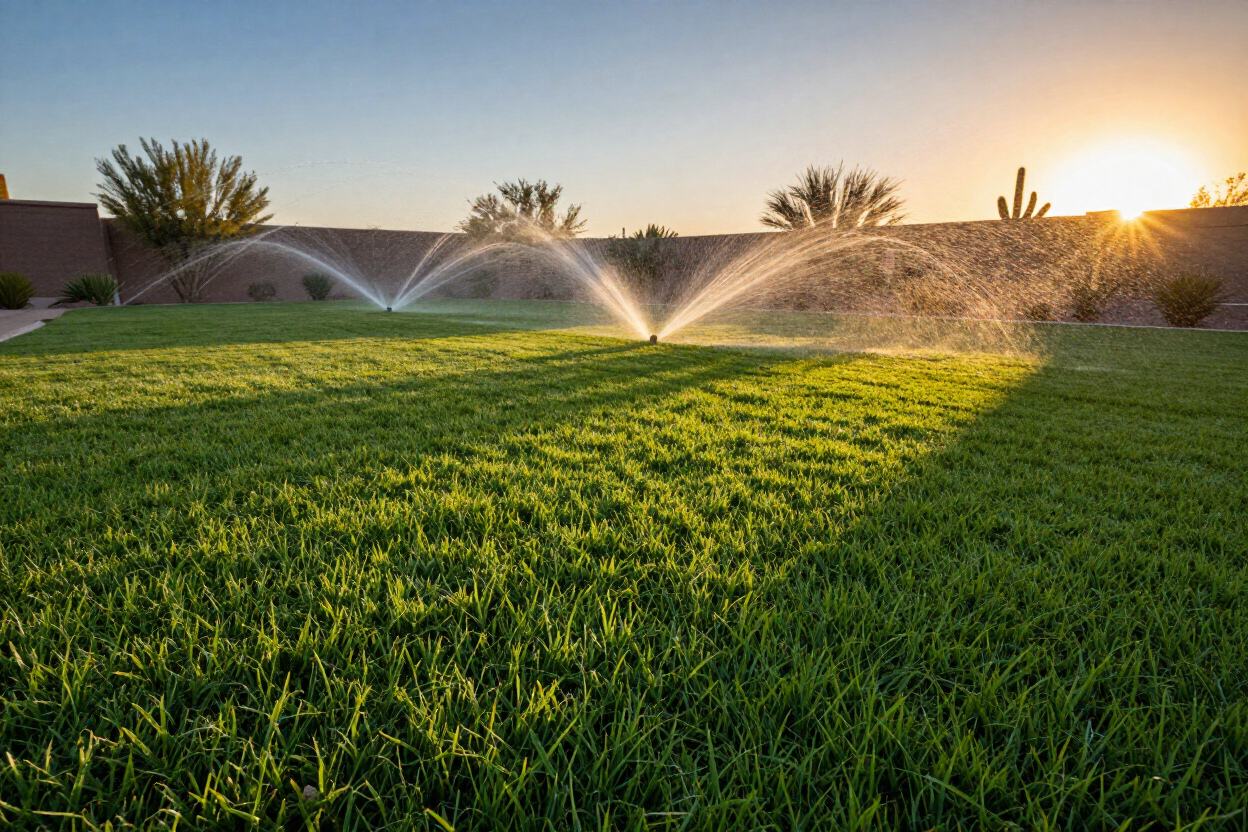
Mistake #2: Overwatering During Spring Transition
Many homeowners assume rising temperatures require immediate watering increases.
However, early spring soils retain moisture differently due to winter irrigation patterns.
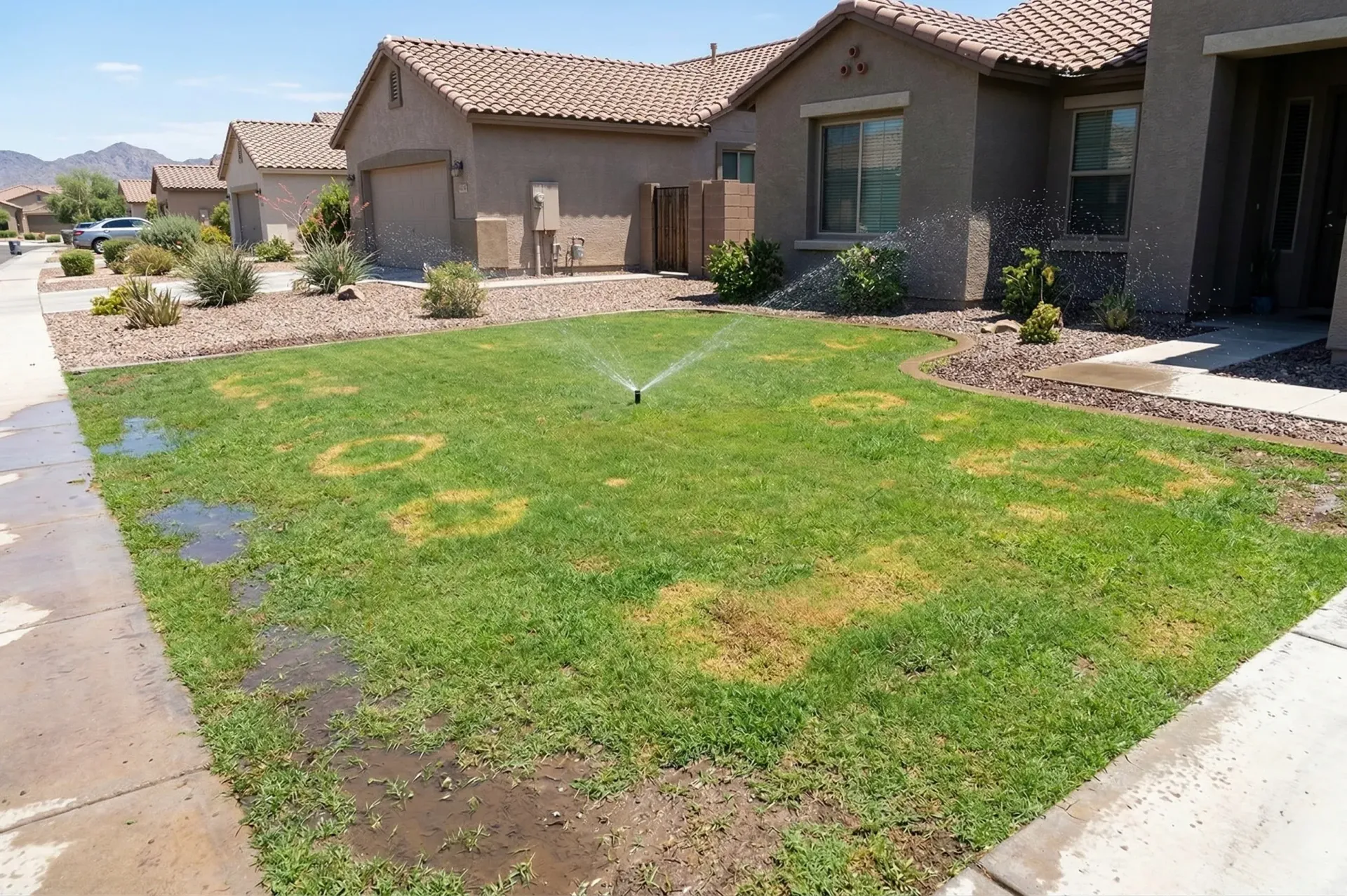
Overwatering leads to:
- Fungal turf conditions
- Root oxygen deprivation
- Rye grass persistence issues
- Weed germination
Proper irrigation recalibration principles are explained in
seasonal watering strategies.

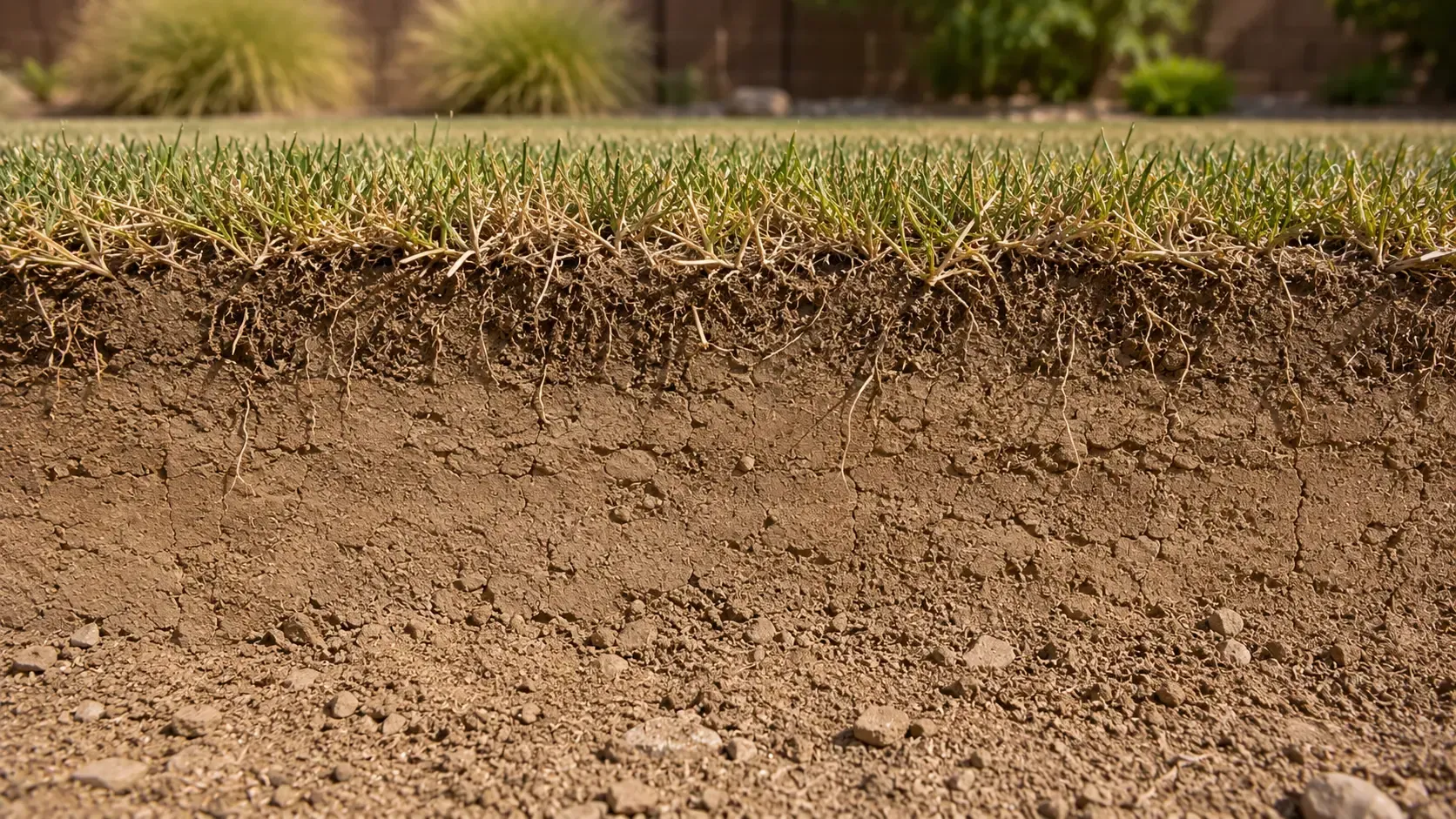
Mistake #3: Ignoring Soil Compaction & Nutrient Imbalance
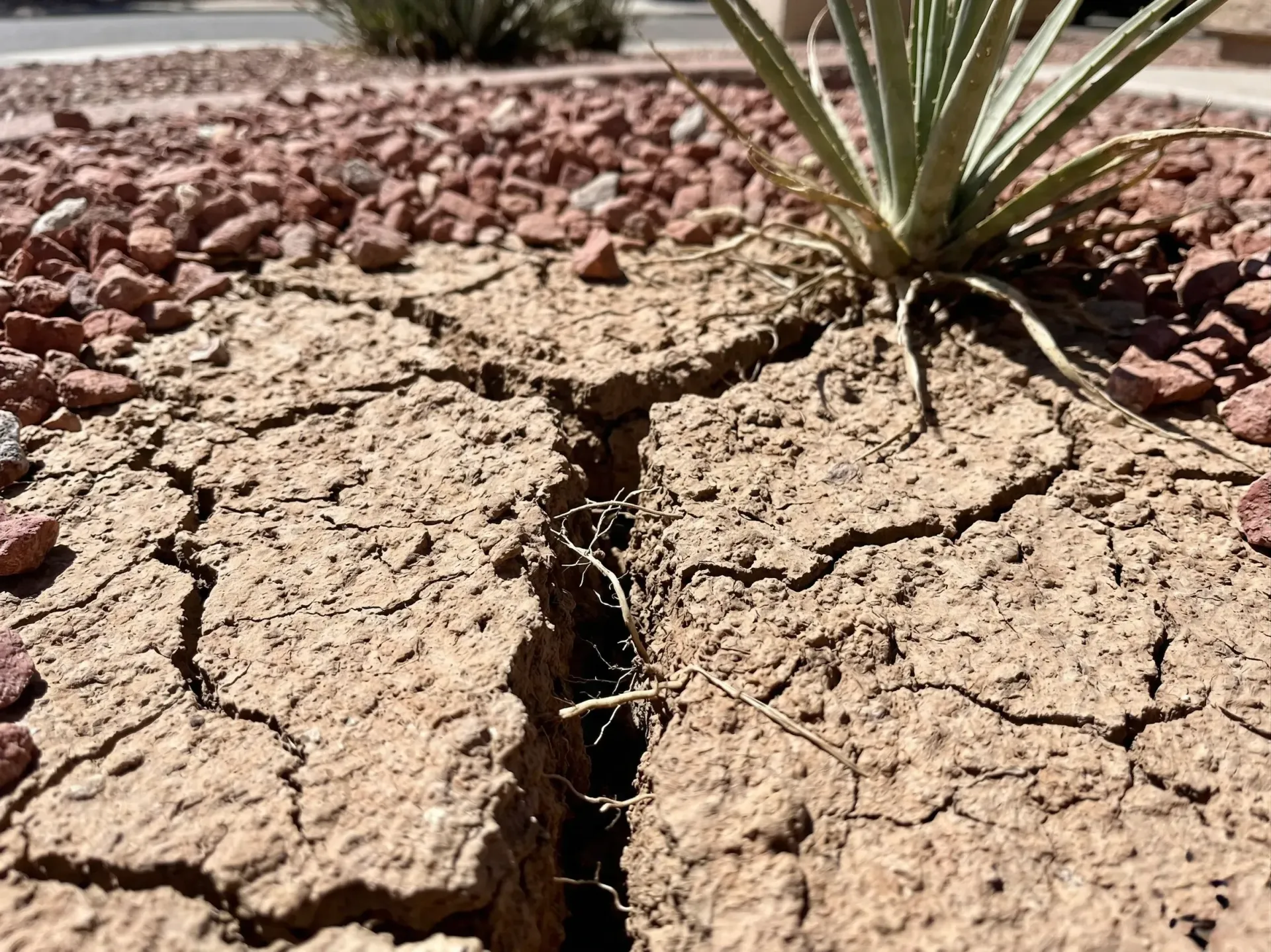
Arizona soils frequently become compacted during cooler months.
Without soil recovery:
- Fertilizer efficiency drops
- Root growth slows
- Water penetration decreases
- Turf density declines
Spring soil reactivation is essential.

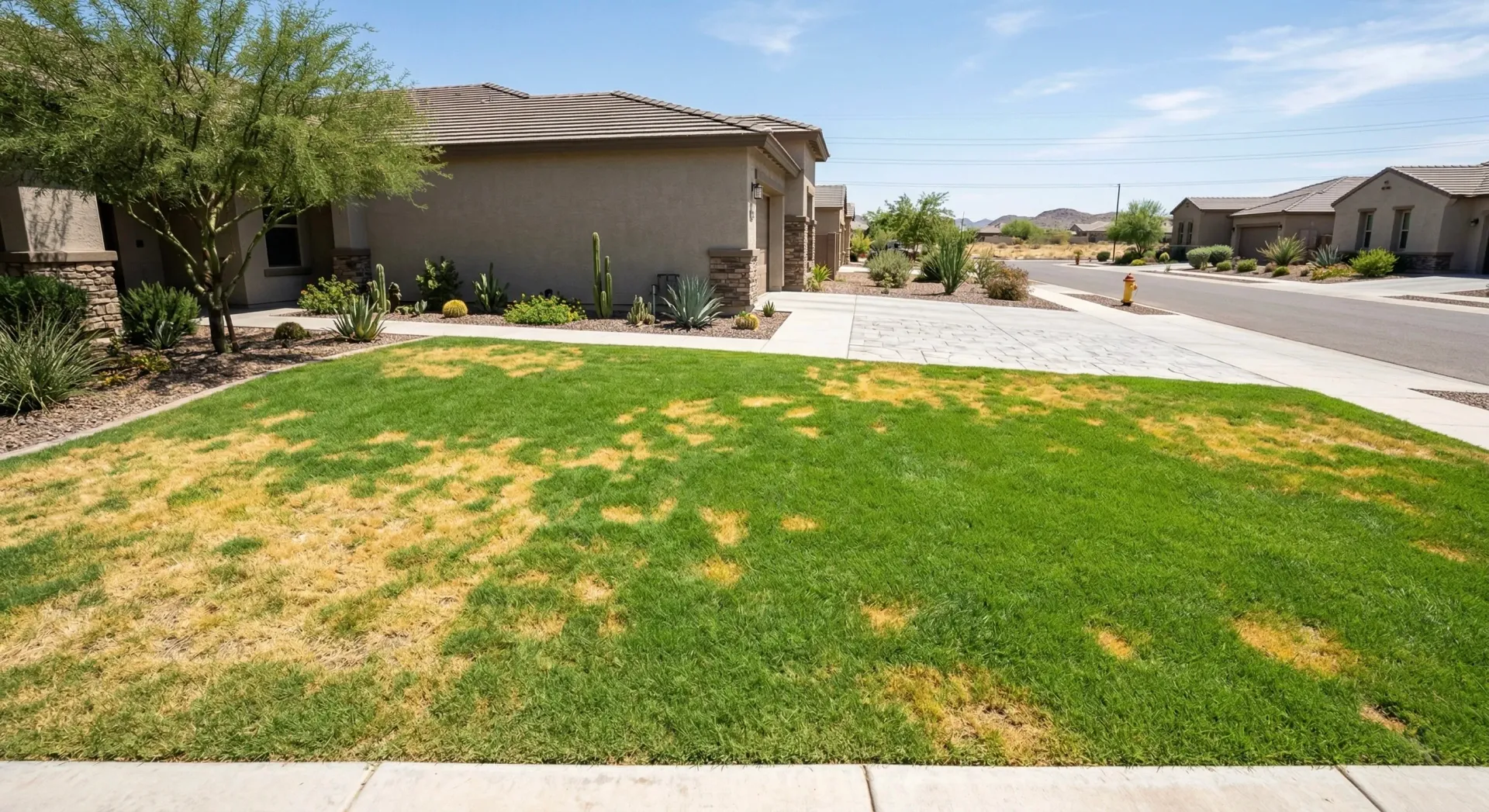
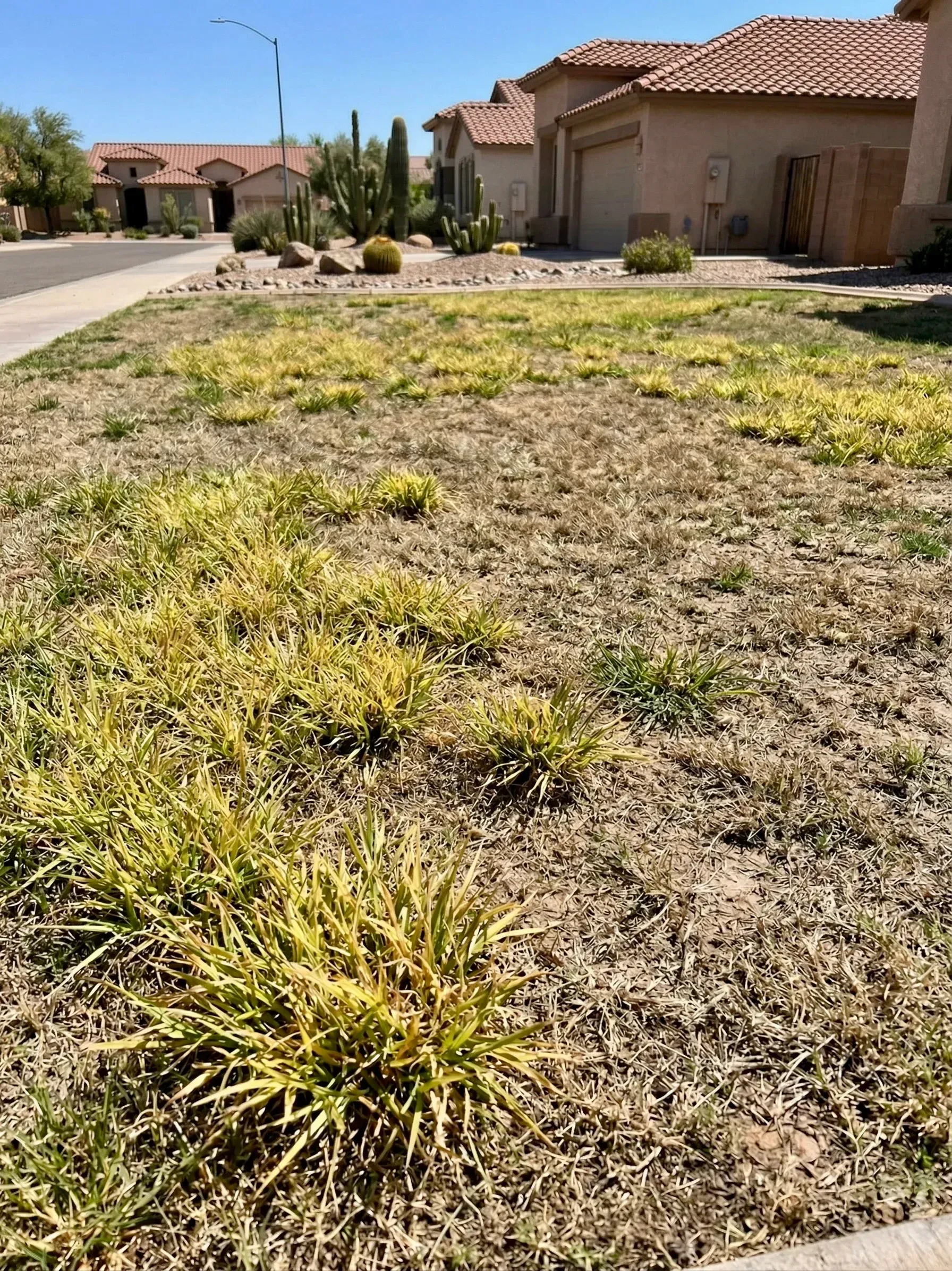
Mistake #4: Mismanaging the Winter Rye to Bermuda Transition
Homeowners often maintain winter lawn care habits too long into spring.
This results in:
- Turf competition
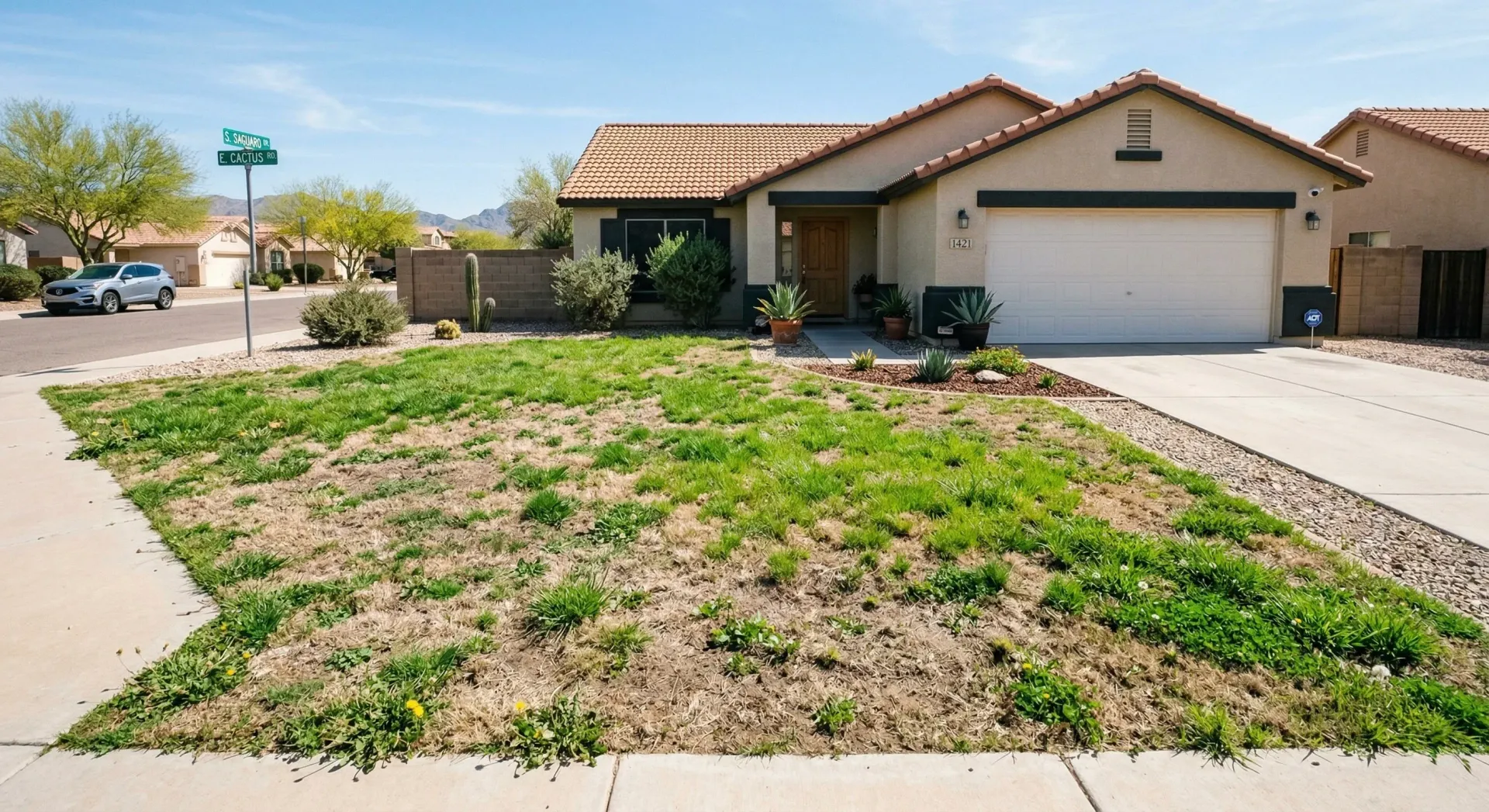
- Delayed Bermuda establishment
- Patchy lawn appearance
- Increased water costs
Understanding which grasses thrive in Arizona’s extreme summer conditions helps prevent transition issues.

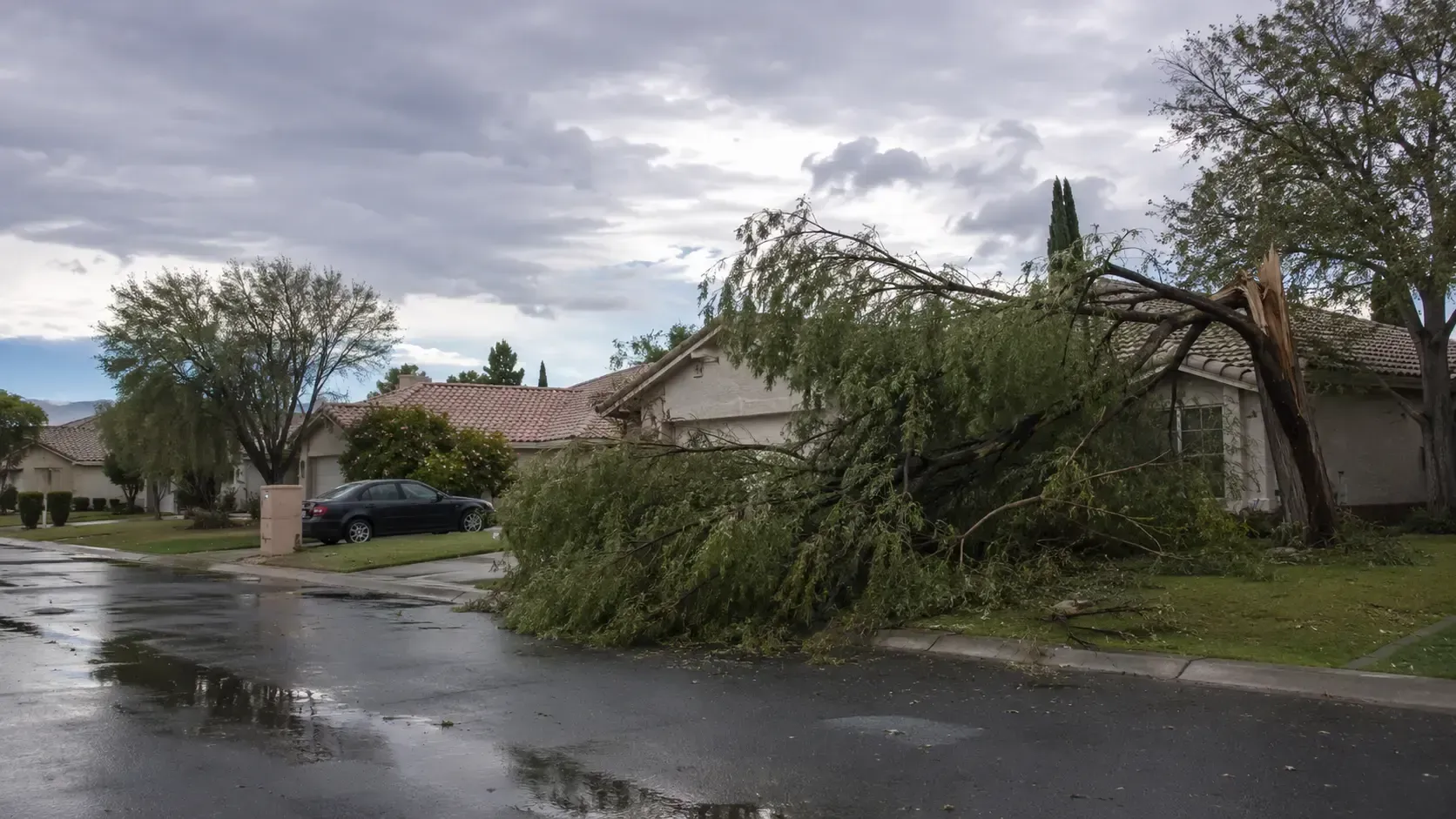
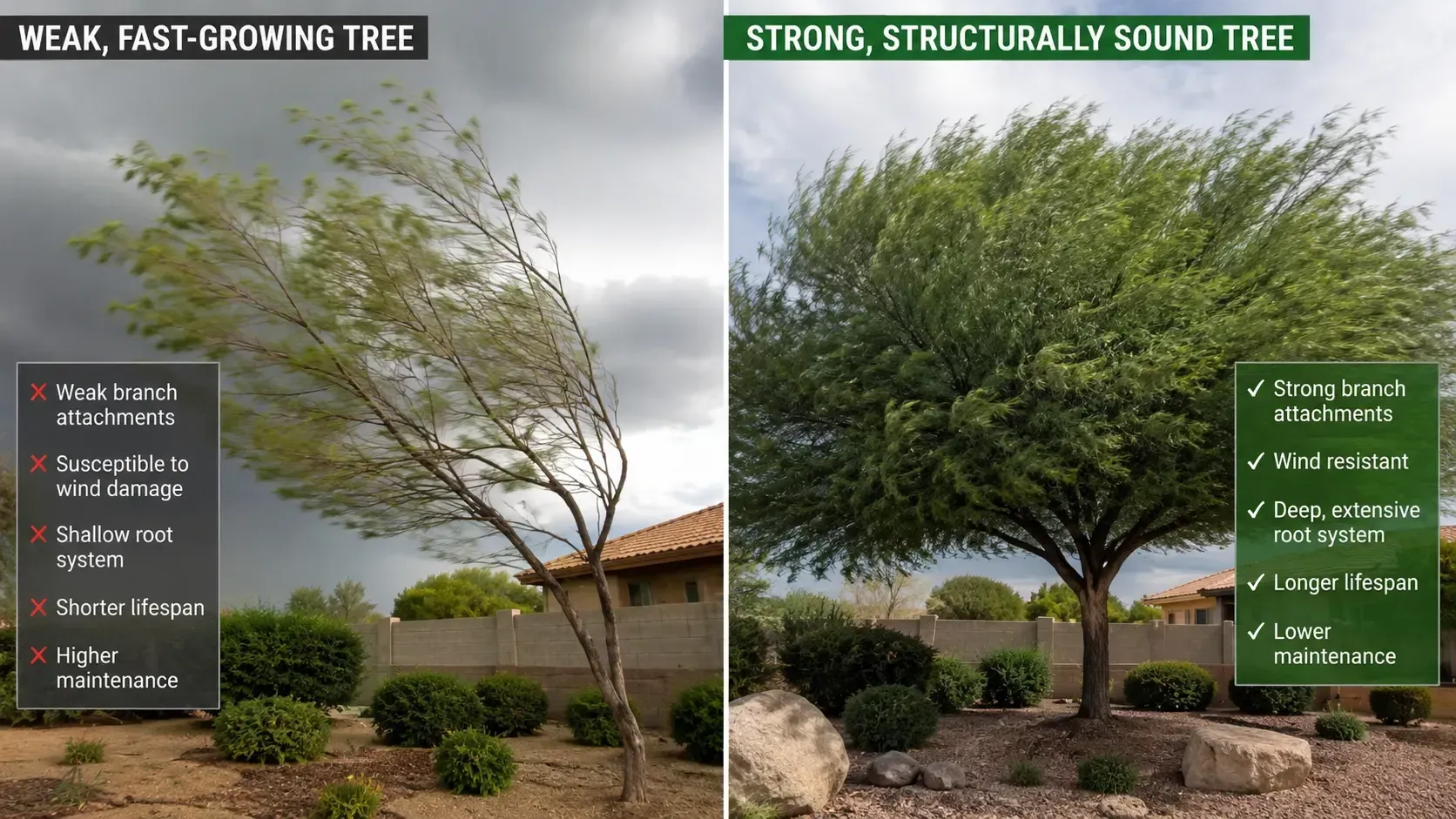
Mistake #5: Neglecting Tree Recovery After Winter Stress
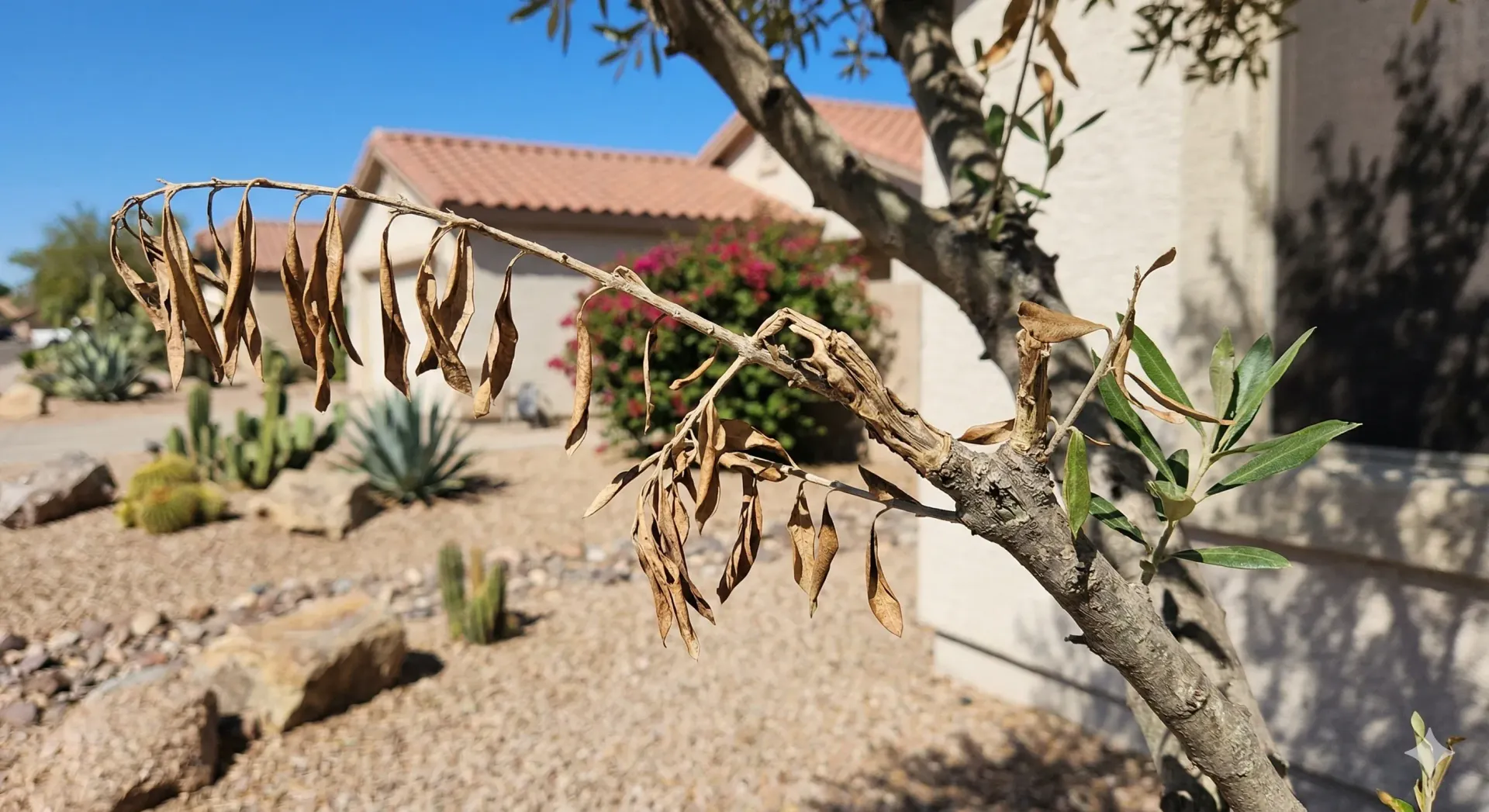
Tree damage often appears weeks after cold events.
Signs include:
- Uneven budding
- Branch dieback
- Leaf thinning
- Reduced shade density
Spring tree recovery must include:
- Structural pruning
- Deep root watering
- Nutrient timing alignment
If frost events impacted your landscape, review
cold stress prevention methods.

Mistake #6: Delaying Weed Prevention Until It’s Too Late
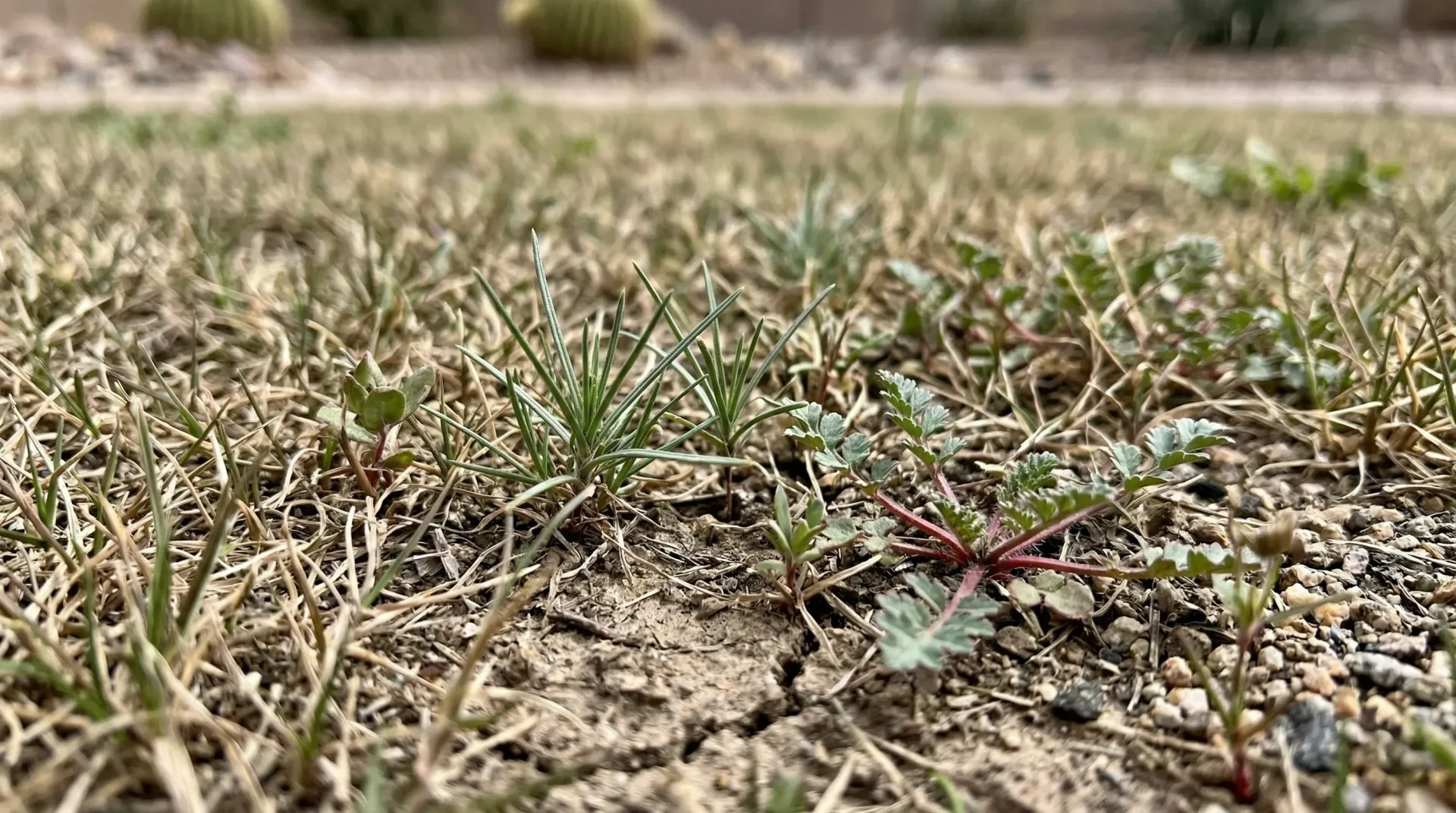
Weeds exploit weak turf conditions during spring recovery.
Common early-season weed triggers:
- Thin turf density
- Overwatering
- Improper mowing height
- Nutrient imbalance
Healthy lawns naturally suppress weeds when recovery fundamentals are implemented correctly.
For a structured recovery approach, review
spring recovery fundamentals.

Mistake #7: Assuming Spring Growth Happens Automatically
Arizona landscapes require intentional seasonal strategy.
Spring growth success depends on:
- Soil reactivation
- Turf transition control
- Irrigation recalibration
- Tree recovery planning
Without these steps, lawns often:
- Struggle through May heat
- Require corrective treatments
- Develop long-term thinning

How Avoiding Early-Season Mistakes Improves Long-Term Landscape Performance
Landscapes that receive structured early-season care typically:
- Use less water annually
- Maintain stronger turf density
- Require fewer chemical interventions
- Provide better summer cooling benefits
Early spring is not just preparation — it is
damage prevention.
FAQ: Early-Season Lawn Mistakes in Arizona
Why does my lawn look worse in early spring?
The turf transition phase naturally creates temporary thinning before Bermuda dominance stabilizes.
Can overwatering damage my lawn in spring?
Yes. Excess moisture reduces root oxygen and encourages fungal growth.
Should I fertilize as soon as temperatures rise?
No. Fertilization should align with active Bermuda growth signals.
Do trees recover naturally after winter stress?
Not always. Proper pruning and irrigation support improve recovery outcomes.
Is spring the best time to fix patchy lawns?
Yes. Early intervention prevents long-term turf thinning.