



Why Is My Water Bill So High in Arizona? How to Stop Landscape Water Waste Before Summer Costs Spike
June 18, 2026
A white background with a few lines on it

Every summer, Arizona homeowners open their water bill and feel the same shock.


The number jumped — sometimes doubled — and nothing about the yard looks better for it.


Here is the part most people miss.


A high summer water bill in Arizona is rarely about using "too much" water on purpose.


It is almost always about waste you cannot see.


Water that:

● Evaporates before reaching the roots

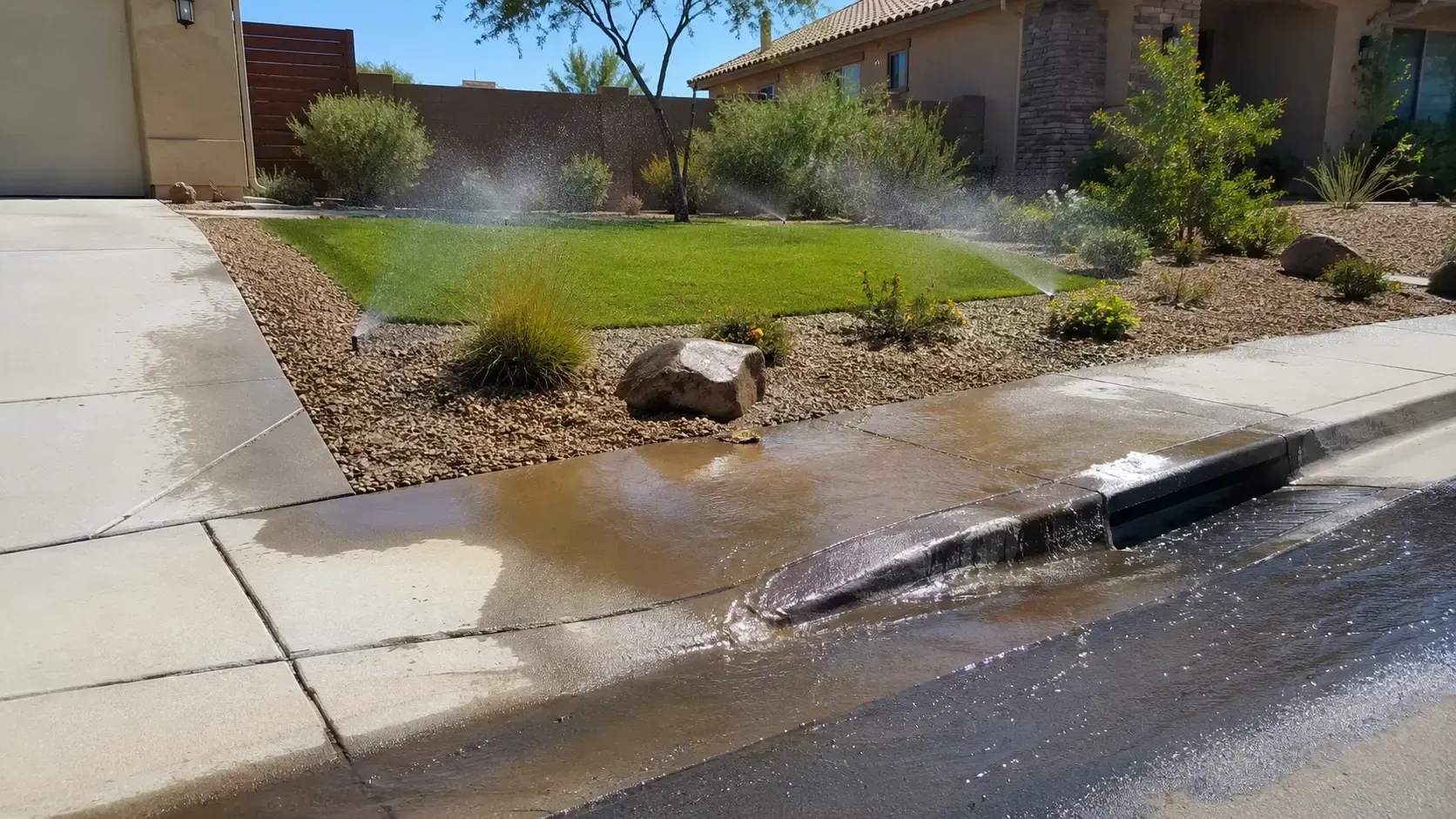
● Runs off into the street or onto hardscape

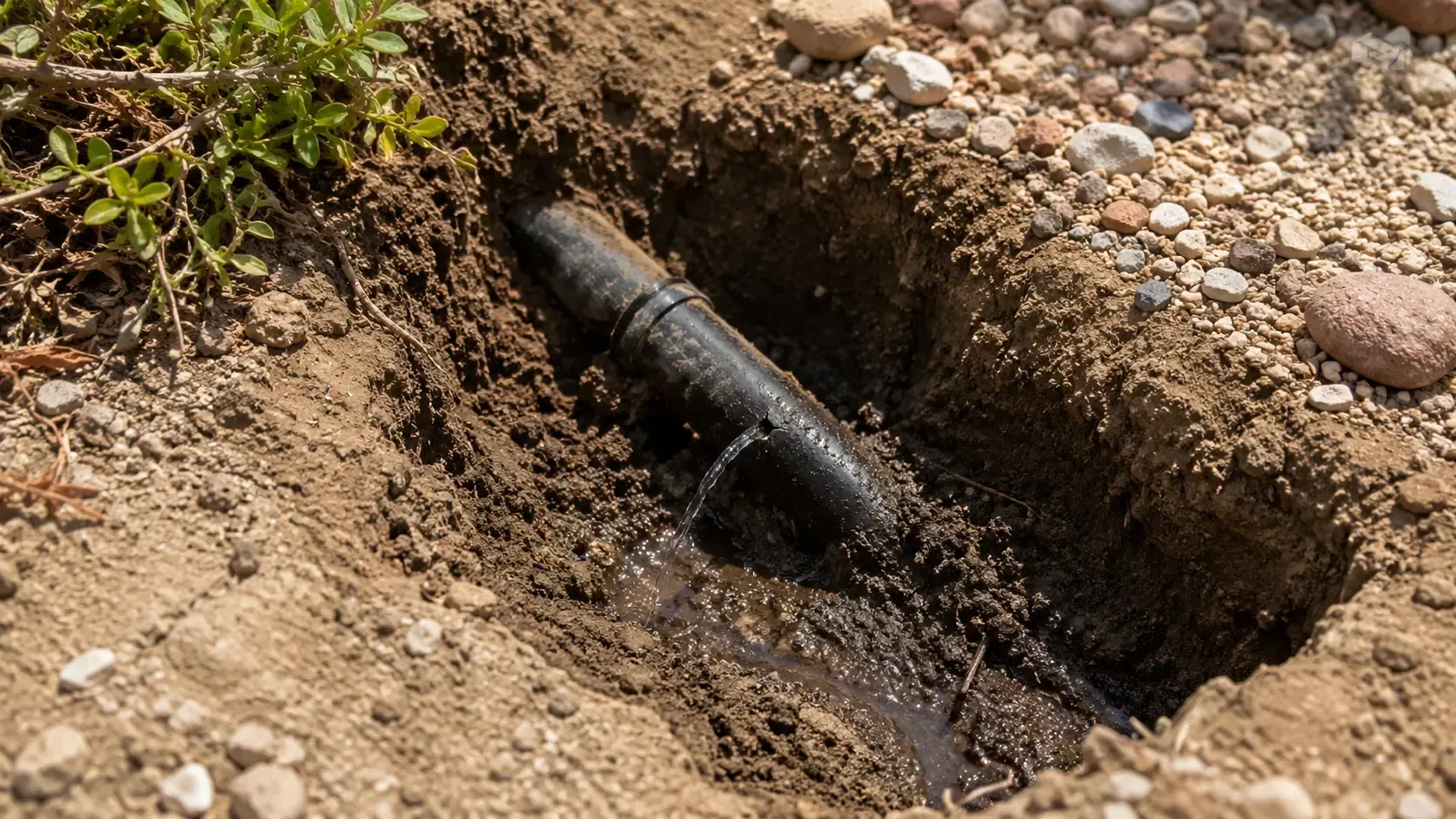
● Leaks underground from a cracked line or emitter

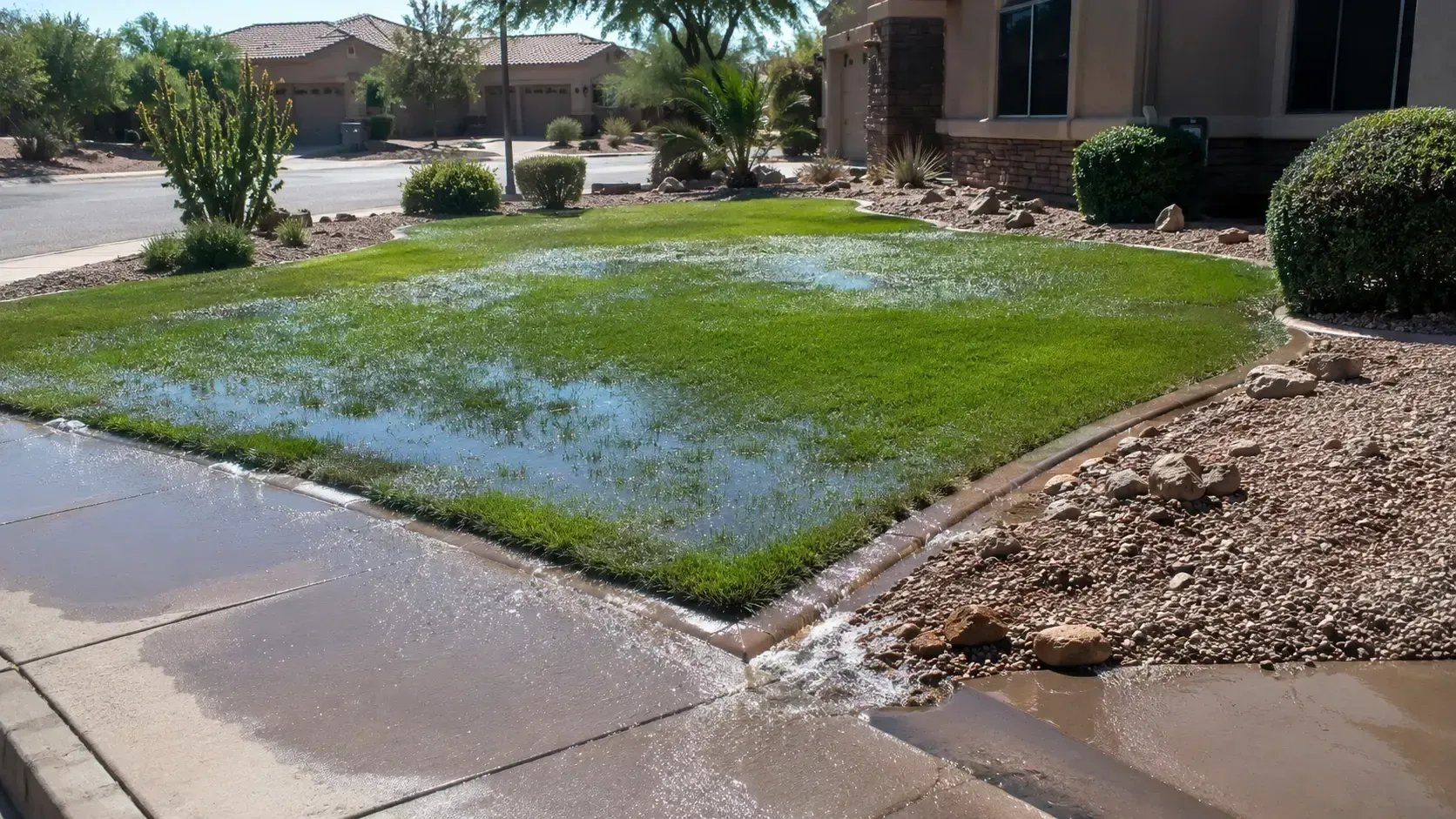
● Pools in compacted soil and never absorbs

● Gets applied at the wrong time, to the wrong zones, in the wrong amounts


The frustrating truth is that most homeowners are paying for water their landscape never actually uses.


The good news is that water waste is fixable — and the savings show up fast once the leaks are sealed.

Why Arizona Water Bills Spike Harder Than Most States

Arizona homeowners face a combination of pressures that make summer water bills climb faster than almost anywhere else in the country.


Several forces stack on top of each other:

● Extreme evaporation rates that waste water before it absorbs

● Tiered water pricing that charges more per gallon as usage rises

● Long irrigation seasons that run for months without a break

● Outdoor watering making up the majority of summer household use

● Hard desert soils that resist absorption and cause runoff


That tiered pricing point is the one that quietly hurts the most.


In many West Valley areas, the more water you use, the higher the rate you pay on those extra gallons — so waste does not just cost you the water, it pushes your entire bill into a more expensive pricing tier.


This is why two homes on the same street can have wildly different bills, even with similar yards.


The Real Reason Most Arizona Water Bills Get Out of Control

The single biggest driver of high water bills in Arizona is overwatering paired with inefficient delivery.


Most homeowners respond to summer heat by watering more — more often, longer cycles, extra hose top-ups.


But if the water is being lost to evaporation, runoff, or leaks, watering more simply means paying more for the same waste.


The landscape does not get healthier.


The bill just gets bigger.


Smart water-bill prevention flips the approach entirely.


Instead of asking "how much more should I water," it asks "where is my water actually going — and how much of it is being wasted before it does any good?"'


If you have not yet dialed in your summer watering approach, the technique side of this is fully covered in Smart Irrigation Principles for Arizona Summers (Blog 27) — this blog focuses on the cost and waste side of the same problem.

Where Landscape Water Waste Actually Happens

To lower a water bill, you first have to know where the water is escaping.


In Arizona landscapes, waste almost always comes from a handful of predictable sources.


Evaporation loss


Water applied during heat or wind evaporates before the soil can absorb it.


Runoff


Compacted soil and slopes cause water to run into streets, sidewalks, and drains.


Overspray onto hardscape


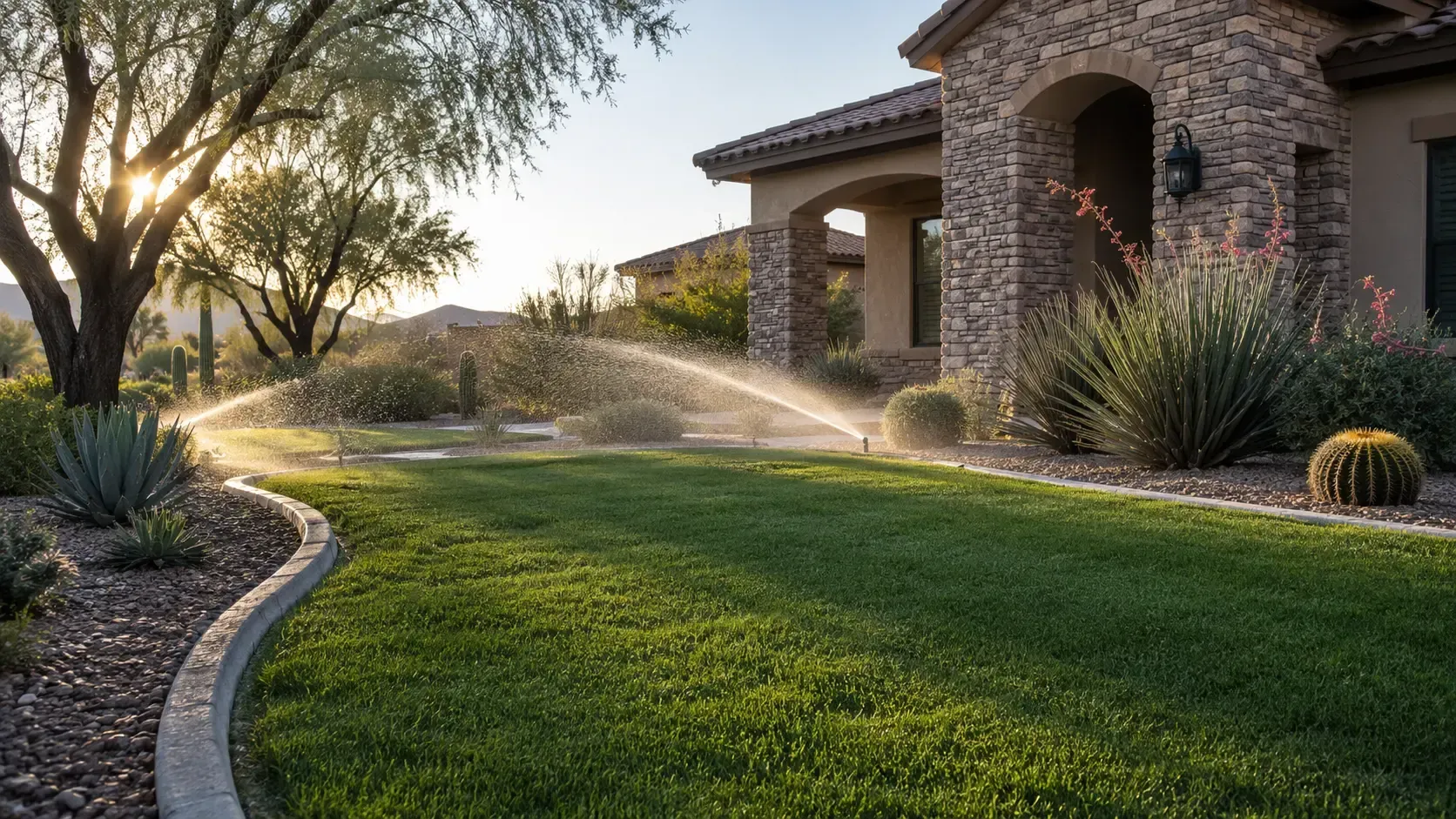
Misaligned sprinkler heads spray walls, fences, driveways, and patios.


Broken or clogged emitters


A single failed drip emitter can quietly waste hundreds of gallons over a season.


Underground leaks


Cracked irrigation lines leak continuously, often without any surface sign.


Overwatering


Applying more water than the soil and plants can use is pure waste.


Wrong-time watering


Midday and evening watering loses far more water than early-morning cycles.


Most homes are leaking water in more than one of these categories at the same time — which is why bills can climb without any obvious cause.


Hidden Leaks: The Silent Budget Killer

Of all the sources of water waste, hidden leaks are the most expensive and the hardest to detect.


Because they happen underground or inside the irrigation system, they often run for weeks or months before a homeowner notices.


Common signs of a hidden irrigation leak include:


● A water bill that rises with no change in habits

● Wet or soggy patches that never fully dry out

● Areas of unusually lush growth near a buried line

● A drop in sprinkler pressure across a zone

● The sound of running water when the system is off

● Mineral or algae buildup near a leak point


A leak the size of a pinhole can waste thousands of gallons a month.


In Arizona's tiered pricing, that waste does not just add gallons — it can push your whole bill into a higher rate bracket, multiplying the cost.


This is exactly the kind of problem that is cheap to fix early and expensive to ignore.


Overwatering: The Most Expensive Habit in Arizona

Overwatering is the most common — and most costly — water-waste mistake homeowners make.


It feels productive. It feels like you are protecting the landscape from heat.


But in Arizona, overwatering wastes money in three ways at once:


● You pay for water the plants cannot use

● Excess water evaporates or runs off before absorbing

● The overuse pushes your bill into higher pricing tiers


Worse, overwatering actively harms the landscape.


It creates shallow roots, encourages fungal disease, and leaves plants more vulnerable to heat stress — which then tempts homeowners to water even more.


It becomes a cycle: more water, weaker landscape, higher bills, repeat.


For the watering rhythm that breaks this cycle across all four seasons, Seasonal Watering Guide for Arizona Lawns (Blog 6) lays out the baseline before summer adjustments are applied.

How to Read the Warning Signs in Your Water Bill

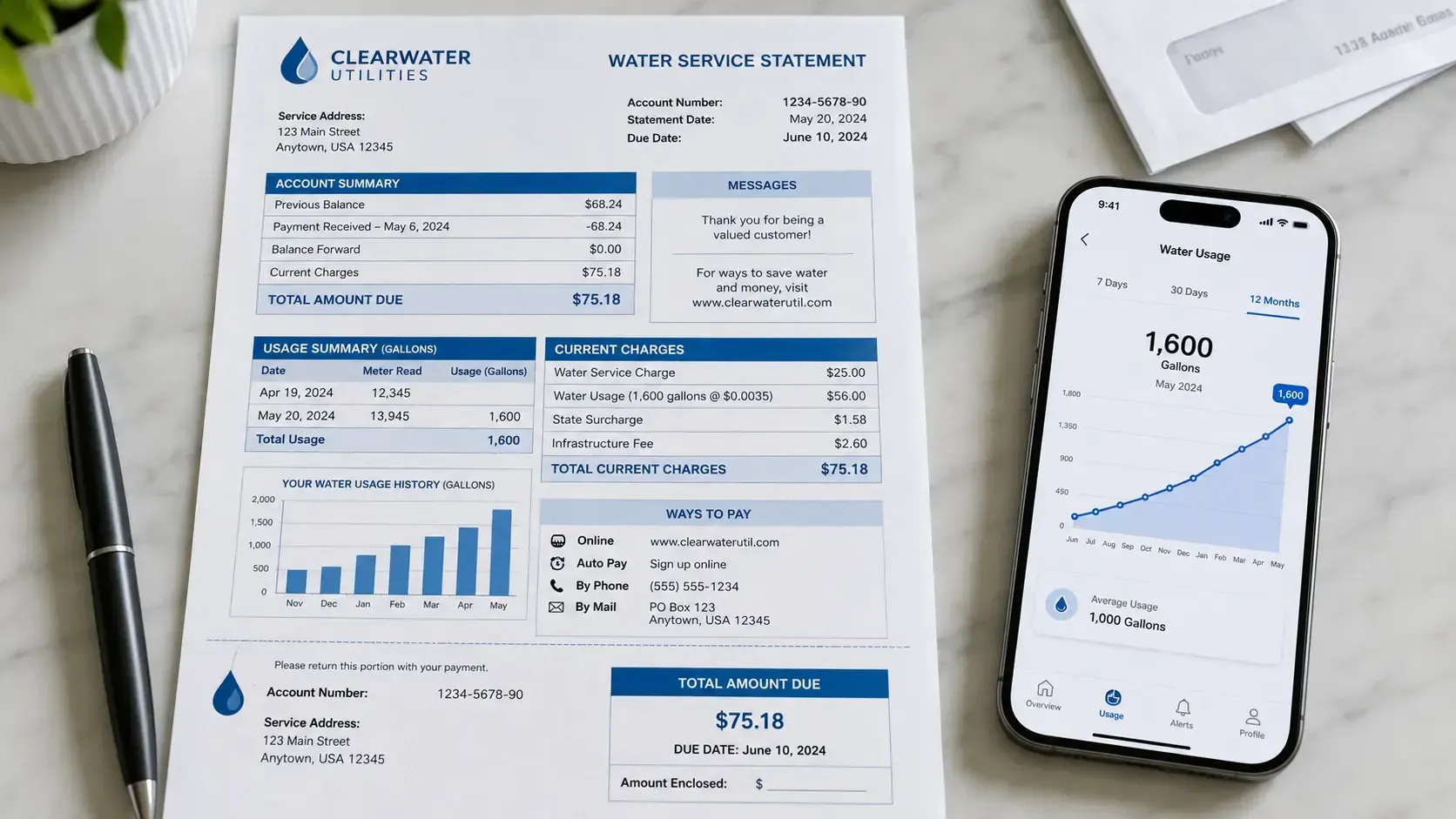
Your water bill is one of the best diagnostic tools you have — most homeowners just never read it closely.


Here is how to spot trouble before it spreads.


1. Compare month-to-month usage


A sudden jump that does not match a weather or habit change often signals a leak or system failure.


2. Compare year-over-year


Look at this June versus last June. A big increase with the same landscape points to waste, not need.


3. Watch your pricing tier


If your usage is consistently pushing into the highest tier, even small waste is costing you premium rates.


4. Check for baseline usage when nothing is running


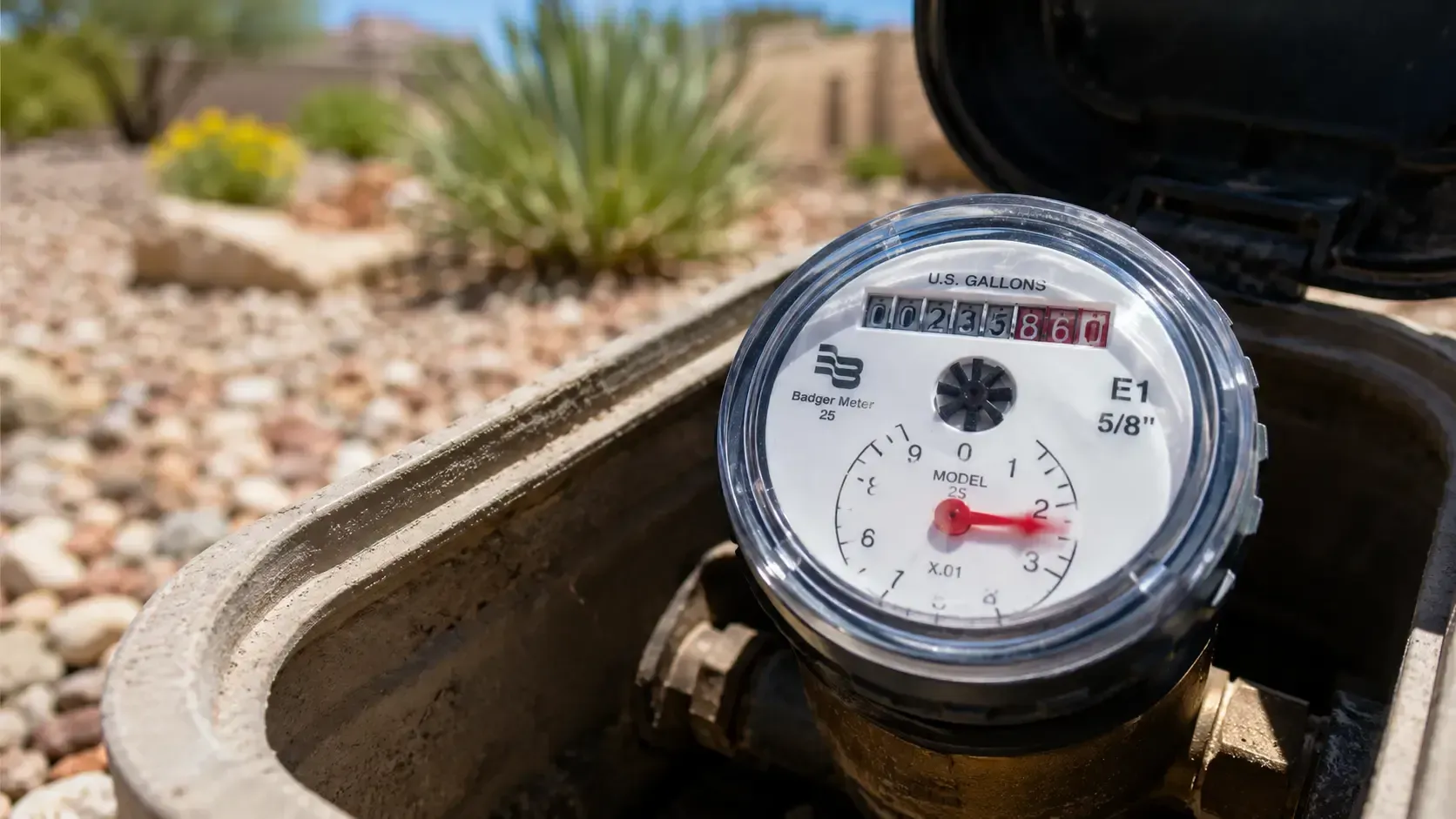
If your meter moves while all water is off, you almost certainly have a leak.


5. Track usage against the season


Bills should rise gradually into summer and taper after monsoon — sharp, unexplained spikes are a red flag.


If your bill is climbing and none of your habits have changed, the problem is mechanical or structural — and it will not fix itself.


Smart Fixes That Cut Water Waste Fast

Once you know where water is being lost, most fixes are straightforward and deliver quick savings.


Shift watering to early morning


Watering between 4 AM and 7 AM dramatically reduces evaporation loss.


Water deeper, less often


Deep, infrequent watering builds stronger roots and wastes far less than daily shallow cycles.


Repair and realign sprinkler heads


Stop overspray onto walls, sidewalks, and driveways.


Inspect and replace failed emitters


A quick walk-through during a cycle reveals clogged or broken drip emitters.


Add mulch to planting beds


Mulch slows evaporation and helps soil retain moisture longer.


Fix runoff with cycle-and-soak watering


Splitting a long cycle into shorter bursts lets compacted soil absorb water instead of shedding it.


Upgrade to a smart controller


Weather-based controllers adjust automatically and prevent unnecessary watering.


These changes pair directly with the smarter zoning and delivery strategies in Beyond Drip Irrigation: Smart Watering Strategies for Arizona Gardens (Blog)

Landscape Choices That Lower Water Costs Long-Term

Some of the biggest water-bill savings come not from how you water, but from what you are watering.


The landscape itself determines your baseline water demand.


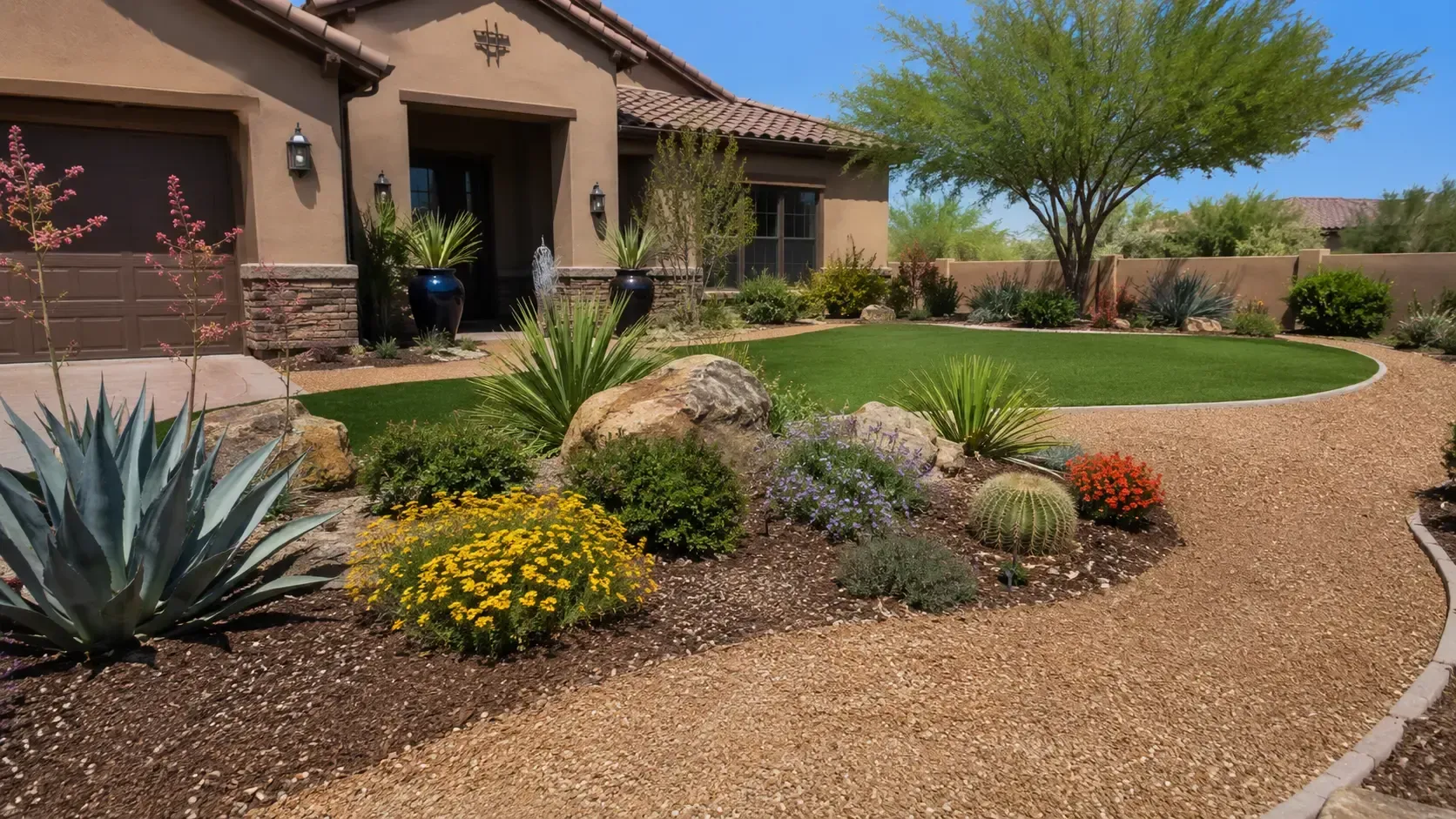
Drought-tolerant plants


Desert-adapted species need far less water and slash long-term irrigation costs. The strongest options are covered in Best Drought-Tolerant Non-Native Plants for an Exotic Arizona Landscape (Blog 1).


Water-smart lawn strategy


Keeping grass healthy without overwatering is a balance — and it is entirely achievable. The full approach is outlined in Drought-Resistant Lawn Care: How to Save Water While Keeping Grass Green (Blog 4).


Reduced or reshaped turf zones


Large thirsty lawns are often the single biggest line item on a summer water bill. Reducing or rezoning turf cuts costs immediately.


Improved soil health


Healthy, amended soil absorbs and holds water far better, reducing both runoff and frequency. The fundamentals are in Arizona Soil Health & Preparation (Blog 19).


These choices reduce the amount of water your landscape needs in the first place — which is the most permanent way to lower a bill.

Common Water-Waste Mistakes Arizona Homeowners Still Make

Even homeowners trying to save water often fall into these traps.


Watering daily out of fear of heat


Frequency rarely solves heat stress — and it inflates the bill fast.


Ignoring the irrigation system between seasons


Emitters clog, heads shift, and lines crack silently over time.


Setting the timer once and forgetting it


A spring schedule running into July wastes enormous amounts of water.


Assuming a high bill is "just summer"


Many spikes are leaks or failures disguised as seasonal increases.


Watering hardscape and runoff zones


Water hitting concrete, walls, or slopes is money straight down the drain.


Overwatering trees and turf on the same schedule


Trees need deep, infrequent watering — running them on a lawn schedule wastes water and weakens the tree. The correct cadence is in The Ultimate Tree Watering Schedule for Arizona's Harsh Seasons (Blog 7).

When to Get a Professional Water Audit

Some water waste is too hidden or too widespread to catch on your own.


You should strongly consider a professional irrigation and water-efficiency audit when:


● Your bill is climbing with no change in habits

● You suspect a leak but cannot locate it

● Multiple zones underperform despite adjustments

● Runoff or soggy areas persist during cycles

● Your usage keeps pushing into the highest pricing tier

● You want to lower costs without guessing what to change


Most residential systems lose a significant share of their water to inefficiencies that are invisible without testing — and those losses compound every single month in summer.


A professional audit pinpoints exactly where the waste is, so you fix the real problem instead of paying to water the street.


If your Buckeye water bill is climbing heading into peak summer, schedule a professional irrigation and water-efficiency assessment before the heat multiplies every leak in your system. Finding and fixing waste early protects your landscape,

conserves water, and puts the savings straight back in your pocket.


Long-Term Benefits of Stopping Water Waste

Homeowners who treat water waste as a fixable problem — not an unavoidable summer cost — consistently see:


● Noticeably lower summer water bills

● Usage that stays out of the highest pricing tiers

● A healthier landscape from correct, not excessive, watering

● Stronger root systems and better heat resilience

● Fewer emergency repairs from undetected leaks

● A water-efficient property that costs less every single year


Lowering a water bill in Arizona is not about sacrificing a green yard.


It is about making sure every gallon you pay for actually reaches the soil — and stops the rest from quietly draining your budget.

FAQ: Water Waste & High Water Bills in Arizona

  • Why is my water bill so high in Arizona during summer?

    Most summer spikes come from outdoor water waste — evaporation, runoff, leaks, and

    overwatering — combined with tiered pricing that charges more per gallon as usage rises.

    The water is often being lost before it ever reaches your plants.

  • How can I lower my water bill from my lawn and landscape?

    Shift watering to early morning, water deeper but less often, fix overspray and broken

    emitters, add mulch, and consider drought-tolerant plants. These changes cut waste quickly

    and reduce how much water your landscape needs overall.

  • How do I know if my irrigation system has a leak?

    Watch for a rising bill with no habit change, soggy patches that never dry, lush growth over a

    buried line, dropping sprinkler pressure, or the meter moving while all water is off. Any of

    these can signal a hidden leak.

  • How much water does overwatering actually waste?

    A large amount. Overwatering loses water to evaporation and runoff, pays for water plants

    cannot use, and pushes usage into higher pricing tiers — often making it one of the single

    biggest causes of an inflated Arizona water bill.

  • Does drought-tolerant landscaping really lower water bills?

    Yes. Desert-adapted plants and reduced turf zones lower your baseline water demand,

    which is the most permanent way to cut costs. Less water needed means lower bills every

    season, not just once.

  • How much can a professional water audit save me?

    It varies by property, but most residential systems lose 15–30% of their water to invisible

    inefficiencies. A professional audit locates those losses so you fix the actual problem —

    often paying for itself through the savings on future bills.


A green background with a white outline of a heart.
Smart Summer Irrigation Principles for Arizona Landscapes
June 11, 2026
Summer irrigation in Arizona is not about watering more — it's about watering smarter. Learn the principles that protect your lawn, plants, and trees while cutting waste during peak heat.
May 26, 2026
Choosing the wrong trees in Arizona can lead to heat stress, root damage, and high water use. Learn how to select and position shade trees properly for a healthier, cooler landscape.
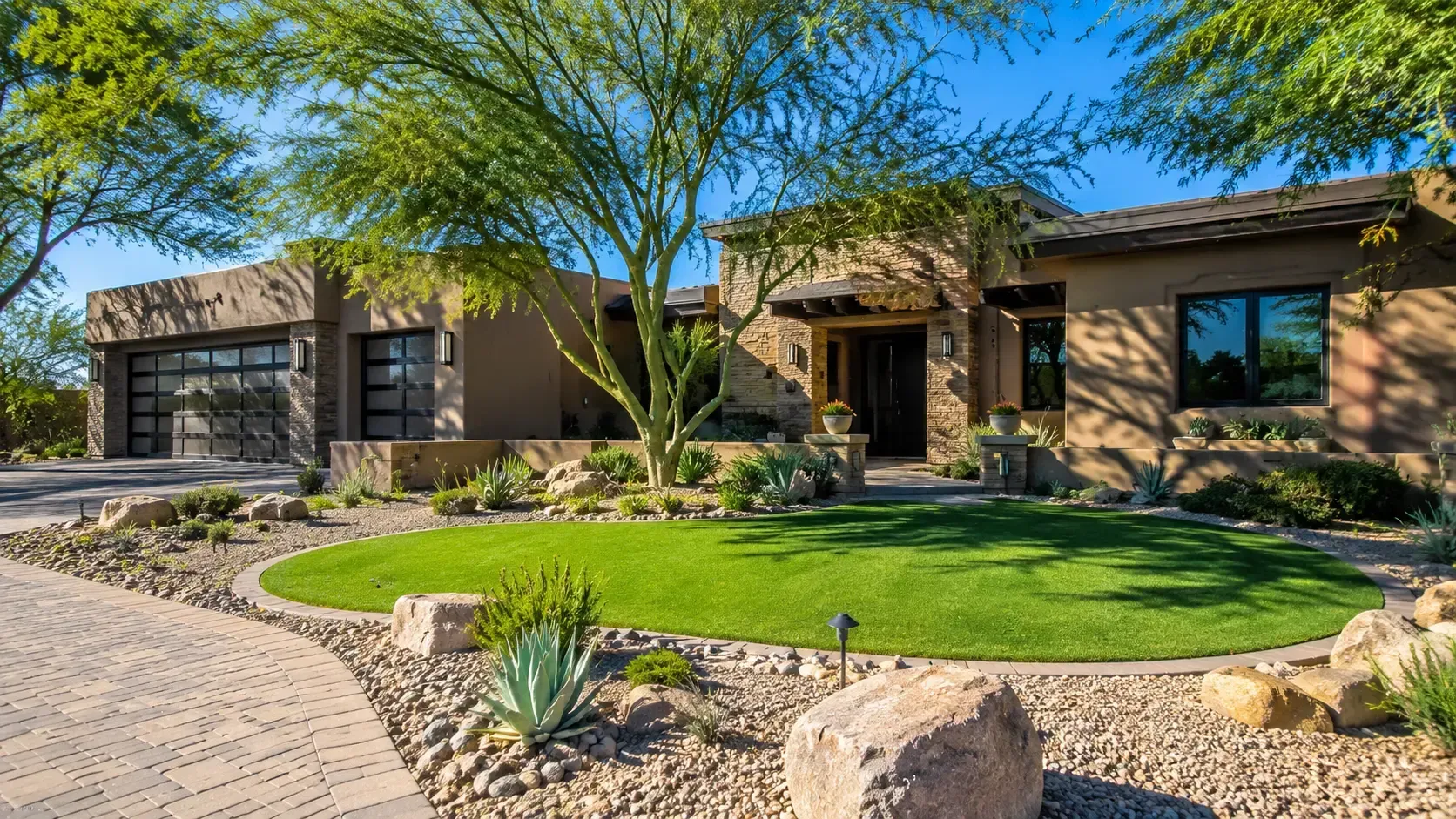
Choosing the wrong trees in Arizona can lead to heat stress, root damage, and high water
use. Learn
May 14, 2026
Choosing the wrong trees in Arizona can lead to heat stress, root damage, and high water use. Learn how to select and position shade trees properly for a healthier, cooler landscape.
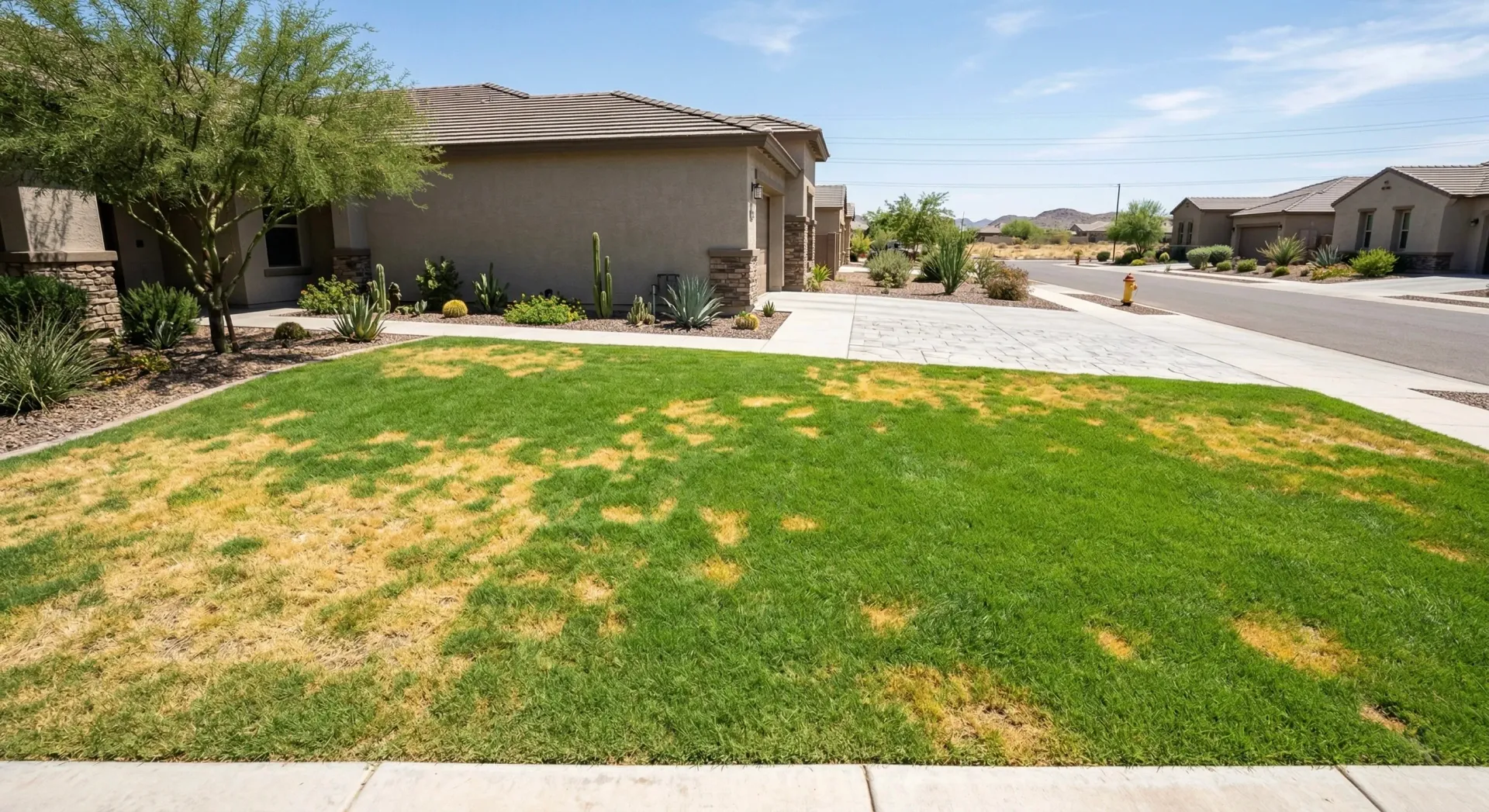
April 17, 2026
Yellow grass, burnt patches, weak growth? Learn the signs of over fertilizing lawn in Arizona and how to fix damage before it gets worse.
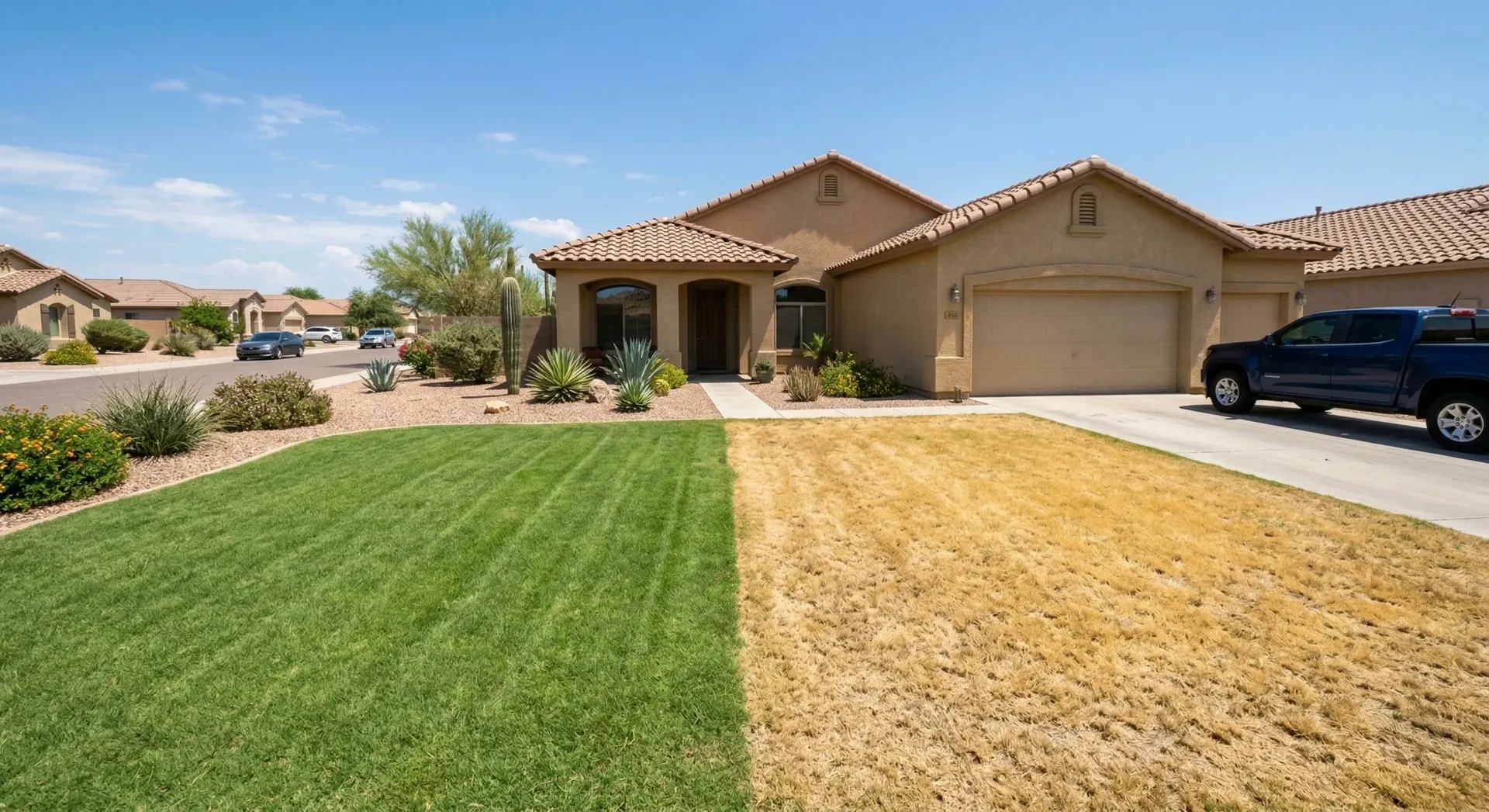
April 10, 2026
Learn when to fertilize lawn in Arizona, what fertilizer works best, and how to keep Buckeye grass and trees healthy year-round.
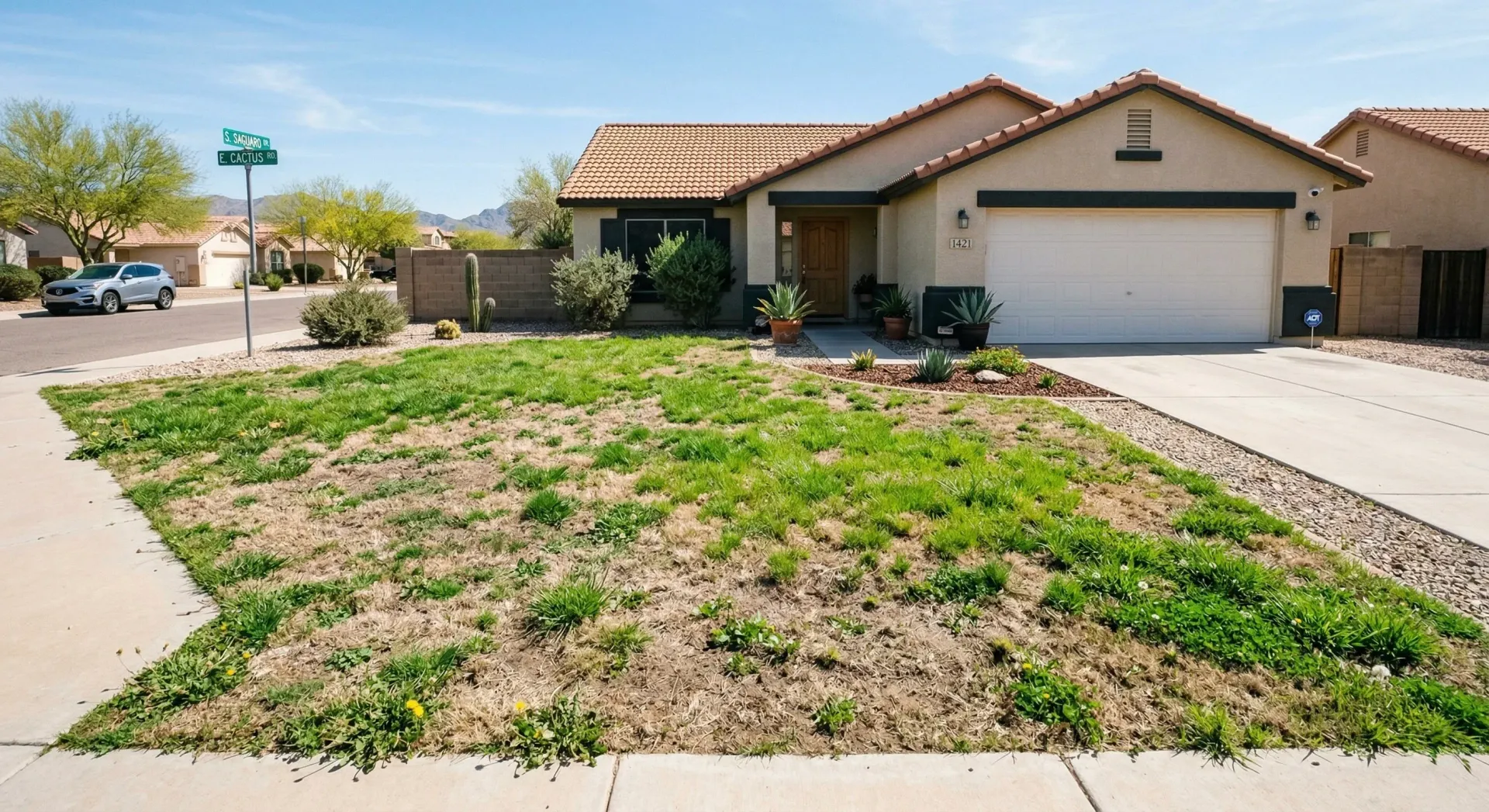
March 17, 2026
Why Early-Season Mistakes Are So Common in Arizona
March 3, 2026
Understanding Arizona’s Unique Seasonal Recovery Cycle
February 19, 2026
Why Spring Lawn Prep in Arizona Starts Earlier Than You Think
Show More